




Rustic Oak Bucket
These rustic oak bucket examples are practical containers formed from timber and metal, prized for holding logs, plants, or umbrellas in traditional interiors.
Rustic Oak Bucket
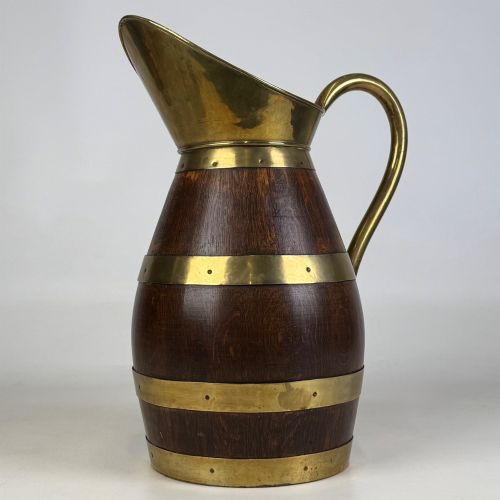
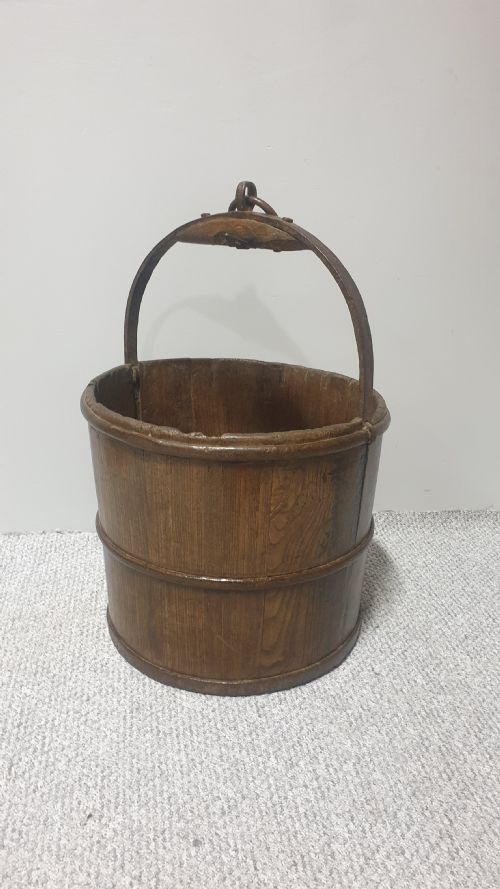
When buyers search for a rustic oak bucket, they encounter a variety of coopered vessels spanning several periods including the Georgian, Victorian, and Edwardian eras. These domestic pieces appear as well buckets, log bins, butter tubs, and umbrella stands formed from timber.
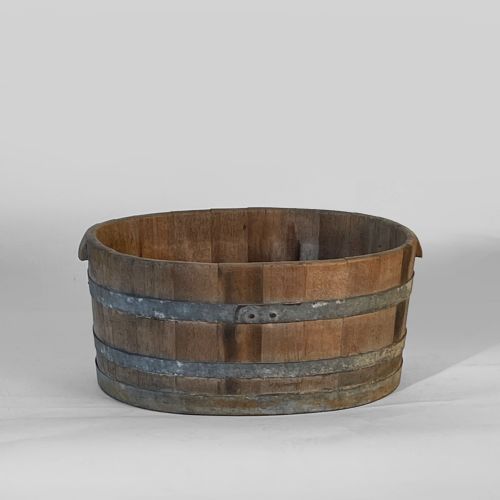
The selection on this page leans heavily towards coopered wooden barrels and planters displaying traditional country craftsmanship. Such vessels originate from English and French farmhouse traditions, fashioned originally for practical farm or fireside tasks.
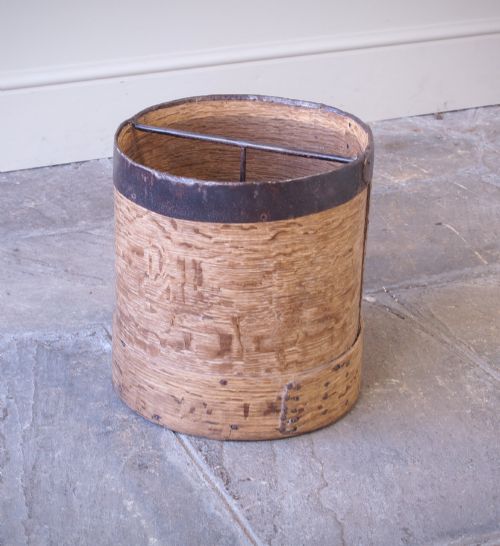
Forms range from deep grain measures and washing tubs to tall stick stands with iron or brass bands. Each object serves modern interiors as a fireside store, garden planter, or hallway vessel.
How They Were Made
Construction relies on traditional cooperage techniques, joining individual wooden staves together to form watertight or structurally sound cylindrical and oval bodies. These staves are fashioned from oak and sometimes elm, selected for grain strength and durability.
Metal bands made from iron, wrought iron, brass, or copper encircle the timber bodies to hold the staves tightly in place. Rivets and handles complete the construction, combining wood and metal for heavy daily use.
Rustic Oak Bucket Retail Price Guide 2026
Typical asking prices for rustic oak bucket among the pieces listed under this phrase on Sellingantiques today, from the lower quarter to the upper quarter. They describe what is for sale here now, not the wider market.
Some diminutive wooden containers served the specific domestic task of collecting leftover wine dregs from dinner tables.
What Varies in Quality
Quality rests in the precision of the cooperage work and the harmony between the oak staves and the metal banding. Tighter joints and heavier metal mounts elevate the construction standard of a vessel.
The integrity of the timber and the character of the patina dictate visual appeal. Pieces retaining original metal fittings and untouched surface patination command greater interest among collectors of country items.
The Rustic Oak Bucket Glossary
- Coopered
- Constructed from wooden staves bound together with hoops of metal or wood. This traditional technique creates the curved sides seen on barrels and buckets.
- Stave
- A narrow strip of wood with fitted edges that forms the sides of a coopered vessel. Multiple staves lock together to create a rigid cylinder.
- Jardiniere
- An ornamental pot or stand designed to hold growing plants or flowers. These decorative vessels appear frequently in copper-banded oak.
- Treen
- Small handmade wooden domestic objects fashioned by turners and woodworkers. Items in this category range from small containers to kitchen utensils.
- Grain measure
- A standardised wooden container utilised for measuring dry agricultural produce. These deep vessels display robust construction and utilitarian origins.
Rustic Oak Bucket: Frequently Asked Questions
What were oak buckets used for originally?
These vessels served practical functions in agricultural and domestic settings, hauling water from wells, measuring grain harvests, and holding household provisions.
Over time, many utilitarian containers transitioned into decorative roles around the home, serving as umbrella stands in hallways or log bins beside fireplaces.
How do I care for an antique wooden bucket?
Maintain the timber by keeping the object away from direct heat sources and sudden temperature shifts that might cause the oak staves to shrink or split.
Apply a light application of beeswax occasionally to nourish the wood surface and preserve the historic patina without altering the finish.
Are these oak buckets waterproof?
Coopered vessels were originally designed to hold liquids or damp materials like washing and well water, but age can affect the joints between the staves.
Modern use as a planter or umbrella stand usually requires a plastic liner inside the timber body to protect the historic wood from standing moisture.
How do I identify a Georgian oak bucket?
Georgian examples display specific construction traits associated with eighteenth-century workshop practices, such as hand-forged iron bands and dense oak timber with deep patination.
Compare the metal fixings and overall proportions against documented period pieces to establish the likely age and origin of the container.