



Rustic Metal Urn
These rustic metal urn pieces bring grounded weight and time-worn character to a garden or interior scheme.
Rustic Metal Urn
A rustic metal urn combines classical form with robust utilitarian purpose, appearing frequently as garden planters, table urns, and heavy vessels. When searching for a rustic metal urn, buyers encounter heavy iron and copper forms shaped by nineteenth-century utility and decorative design.
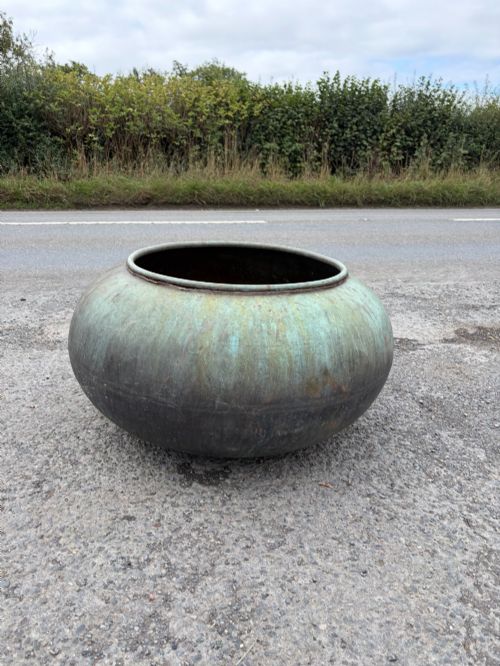
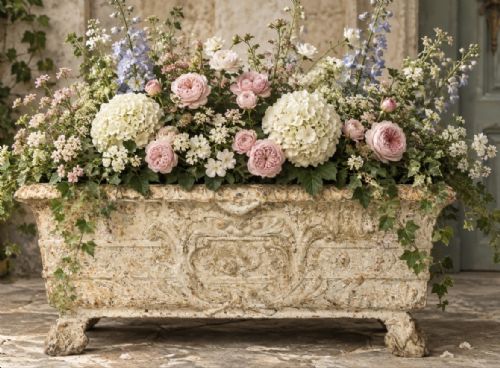
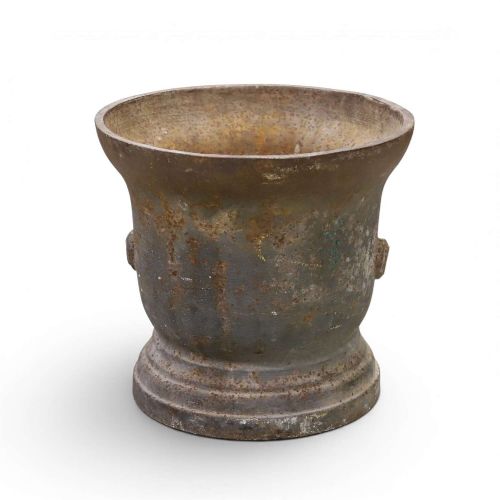
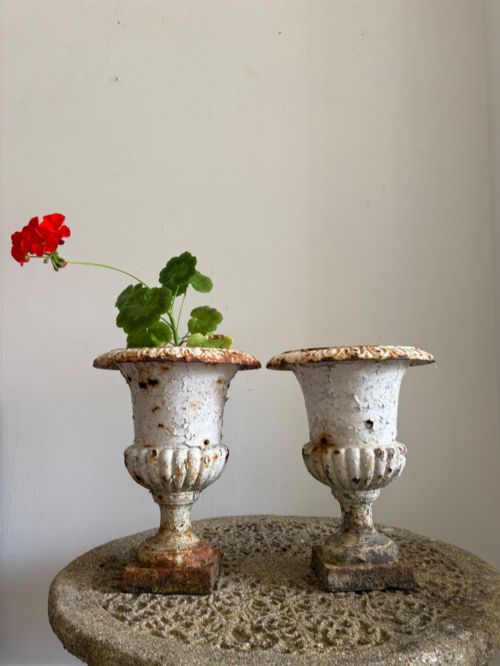
The pieces visible on this page lean heavily towards nineteenth-century cast iron and copper vessels, ranging from garden urns on stands to chateau kitchen mortars and copper planters. French and English origins dominate the selection, spanning periods from the early nineteenth century through the Edwardian era.
How they were made
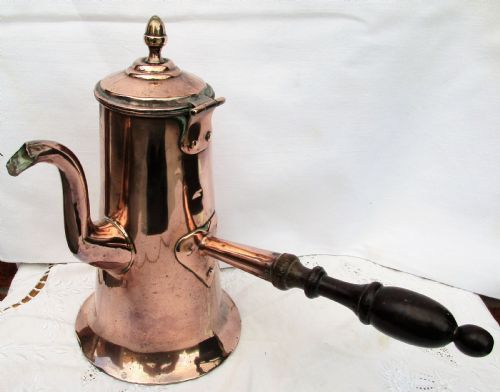
Makers utilised durable metals like cast iron and copper, often combining them with brass fittings or wooden elements to construct robust garden and domestic vessels. Sand-casting created the heavy structural bodies of the iron urns, while skilled metalworkers hammered and joined copper sheets for pots and kettles.
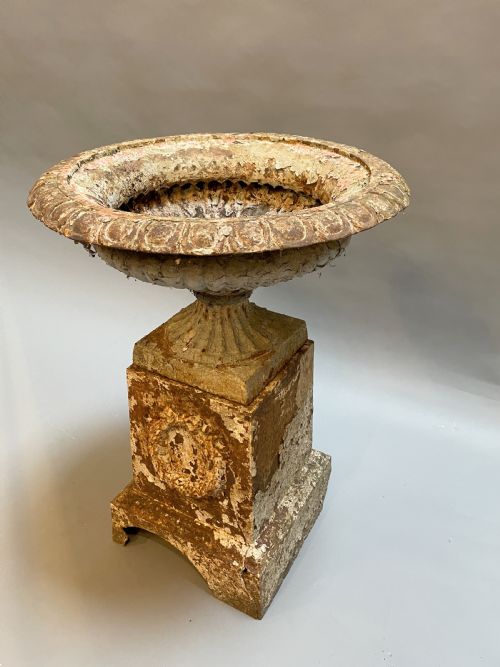
Surfaces bear the marks of time, with original distressed paint and natural verdigris developing on the metal over decades of exposure and use. These finishes arise from historical manufacturing techniques paired with natural weathering rather than artificial distress.
Rustic Metal Urn Retail Price Guide 2026
Typical asking prices for rustic metal urn among the pieces listed under this phrase on Sellingantiques today, from the lower quarter to the upper quarter. They describe what is for sale here now, not the wider market.
Periods represented reach from Georgian and Victorian eras through to Edwardian designs, encompassing classical revival styles and rustic farmhouse aesthetics.
What varies in quality
Quality in these pieces rests upon the crispness of the casting and the proportional balance of the classical form, distinguishing finely detailed garden urns from simpler utilitarian vessels. Thicker metal walls and intact original structural components indicate superior workshop production.
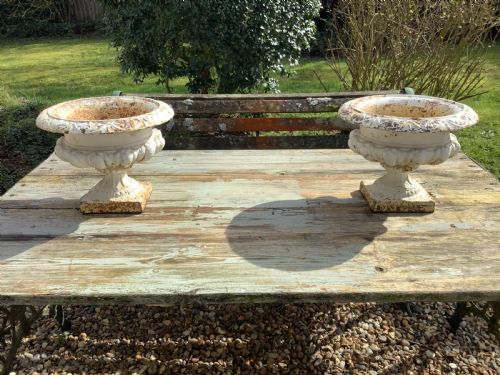
The integrity of the surface finish plays a major role in a piece's character, with untouched original distressed paint or natural verdigris holding more decorative appeal than later overpainting. Matching pairs also represent a higher tier of find compared to isolated single vessels.
The Rustic Metal Urn Glossary
- Cast iron
- A strong, heavy alloy of iron and carbon poured into moulds to create rigid forms. It allowed nineteenth-century foundries to mass-produce detailed garden urns and mortars with thick, durable walls.
- Verdigris
- A green patina that forms naturally on copper and brass through long-term exposure to the elements. This chemical layer protects the underlying metal while adding deep visual character.
- Mortar
- A heavy bowl-shaped vessel traditionally used in apothecaries or kitchens for grinding ingredients. In metal form, these double as decorative planters and cachepots.
- Cachepot
- An ornamental container used to hold a flowerpot and conceal its utilitarian tray. These metal vessels suit indoor plant displays exceptionally well.
Rustic Metal Urn: Frequently Asked Questions
How do I use a cast iron urn?
Cast iron urns function primarily as sturdy garden planters, holding floral arrangements or small trees on terraces and lawns. Their substantial weight keeps them stable against strong winds.
Indoors or on tabletops, smaller iron urns serve as decorative cachepots or striking standalone focal points. They anchor rustic and classical interior design schemes with ease.
Are copper pots waterproof?
Historical copper pots and planters were constructed to hold liquids, water, and dry goods in domestic or apothecary settings. Many retain their structural integrity for holding fresh plant displays.
Buyers should inspect individual pieces for historical soldered repairs or natural wear before filling them with water. Using a plastic liner inside older copper vessels protects the antique metal from prolonged moisture contact.
How do I date a metal urn?
Dating relies heavily on manufacturing marks, surface patination, and stylistic cues borrowed from classical, Victorian, or Edwardian design periods. Heavy sand-casting textures and distinct bolt construction often point toward nineteenth-century workshop methods.
Comparing the casting sharpness with documented pieces from eras like 1870 or the Edwardian period helps narrow the timeline. Wear patterns across the metal offer further clues to the true age of the object.
How do I clean a rustic urn?
Gentle dusting and soft brushing remove loose garden debris without harming the fragile historic surfaces or original paint layers. Avoid harsh chemical cleaners that strip away authentic verdigris or distressed patination.
Applying a light coat of microcrystalline wax can help stabilise exposed iron and prevent further oxidation in damp environments. Preservation of the aged surface remains paramount for maintaining the character of these antique metal pieces.