




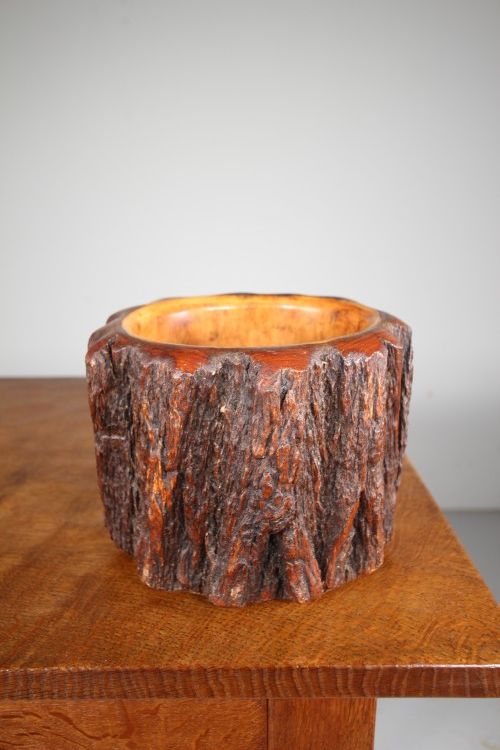
Rustic Log Planter
A rustic log planter brings raw texture indoors, taking heavy metal vessels and timber barrels and turning them into hearthside fuel stores.
Rustic Log Planter
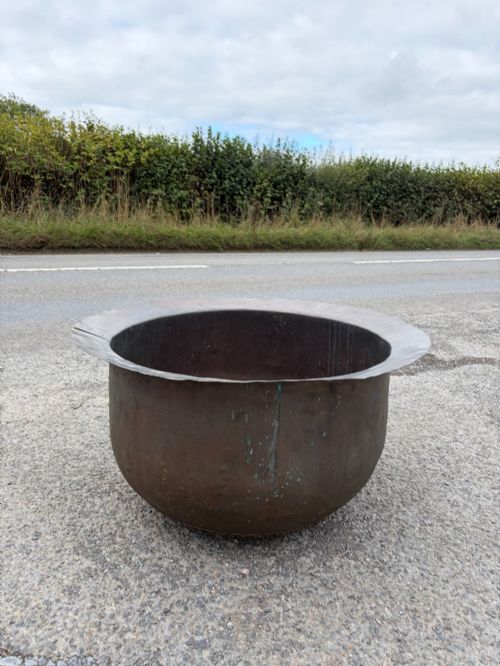
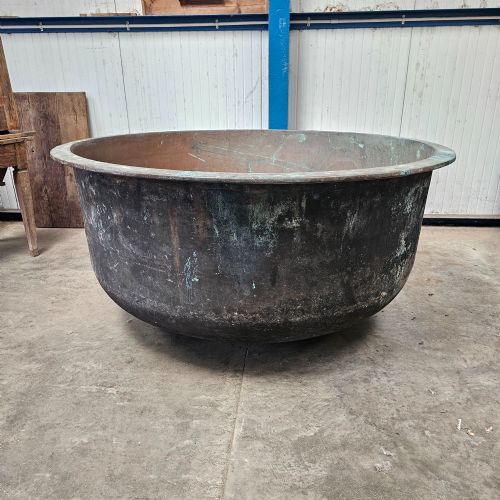
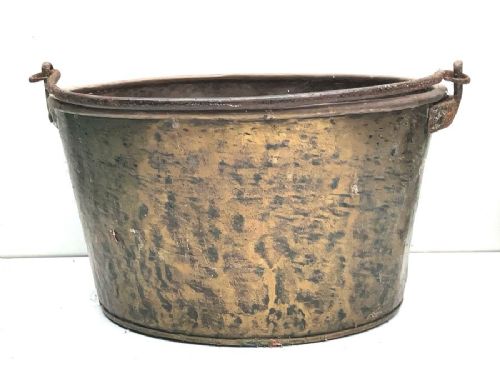
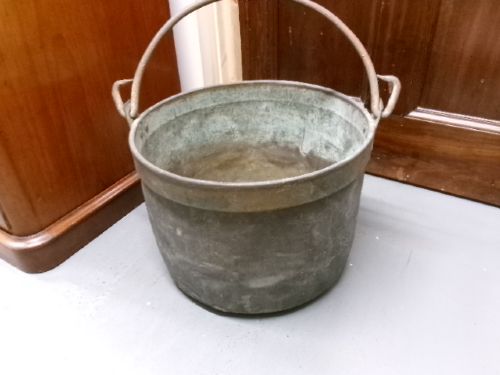
When you search for a rustic log planter, you encounter robust vessels originally built for utilitarian tasks rather than decoration. These utilitarian containers include heavy copper pots, riveted buckets, iron pans, and coopered oak barrels from past centuries.
The pieces appearing on this page span the eighteenth, nineteenth, and early twentieth centuries, drawing heavily from Victorian, Georgian, and rustic farmhouse styles. Many items double as fireplace accessories, jardinieres, and fuel stores depending on their depth and volume.
Copper cauldrons and brass-swung vessels dominate the selection, bringing warmth and metallic patina to domestic interiors. Alongside metal, you find carved wood, pine storage barrels, and dug-out tree trunks that ground the category in organic forestry.
Materials and construction methods
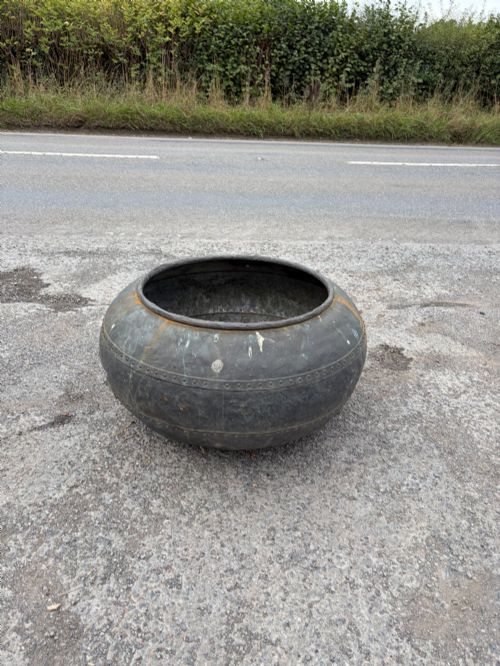
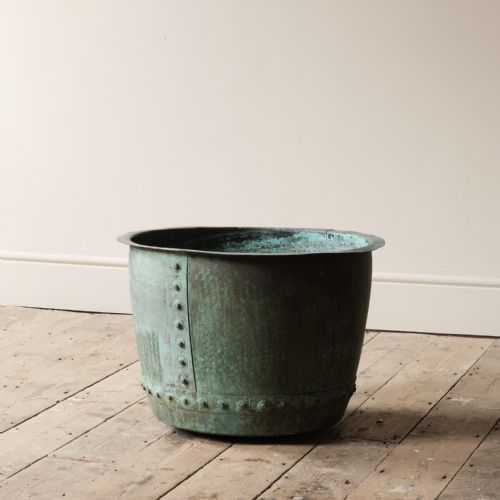
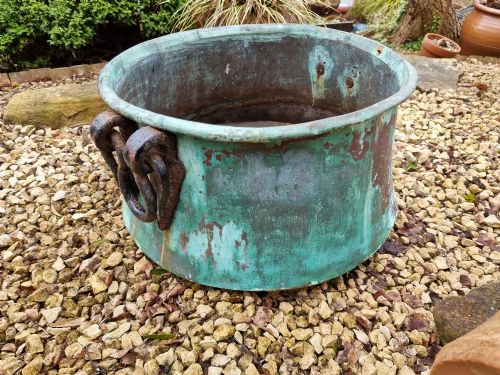
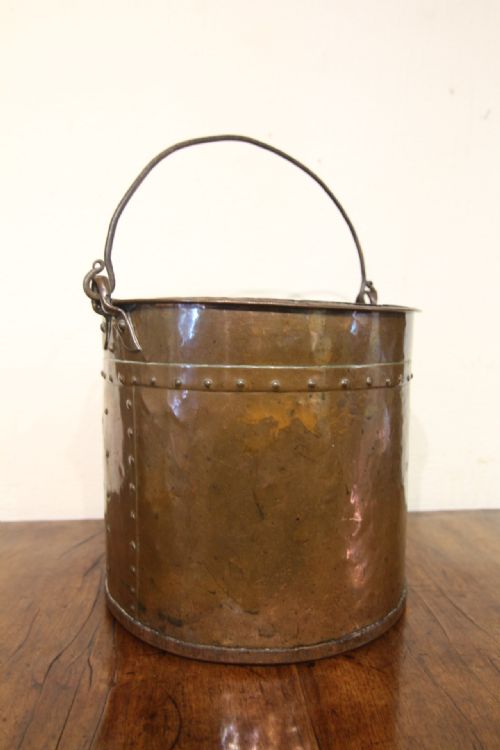
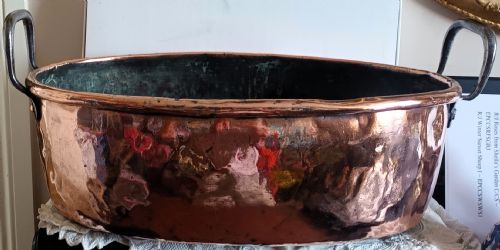
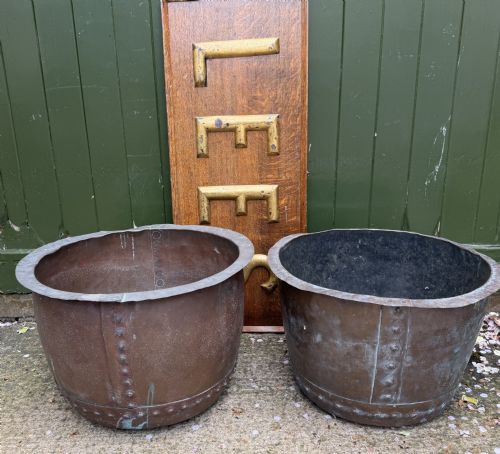
Makers formed the metal vessels using beaten copper sheets joined by visible rivets, attaching wrought iron handles for lifting heavy loads. These sheets frequently acquired verdigris finishes and weathered patinas over decades of exposure.
Wooden examples rely on traditional coopering techniques, binding oak or pine staves with tight metal bands to hold dry goods or liquids. Other wooden forms utilise hand-carved tree trunks and dug-out sycamore or elm logs shaped directly from the timber.
Rustic Log Planter Retail Price Guide 2026
Typical asking prices for rustic log planter among the pieces listed under this phrase on Sellingantiques today, from the lower quarter to the upper quarter. They describe what is for sale here now, not the wider market.
Materials span copper, iron, wrought iron, brass, oak, wood, earthenware, and glaze across nineteenth and eighteenth-century forms.
Distinctions in construction and wear
Superior examples display honest, heavy-gauge metalwork with intact hand-forged iron fittings and minimal patching to the body. Lesser specimens show modern structural repairs or replaced handles that disrupt the historical integrity of the piece.
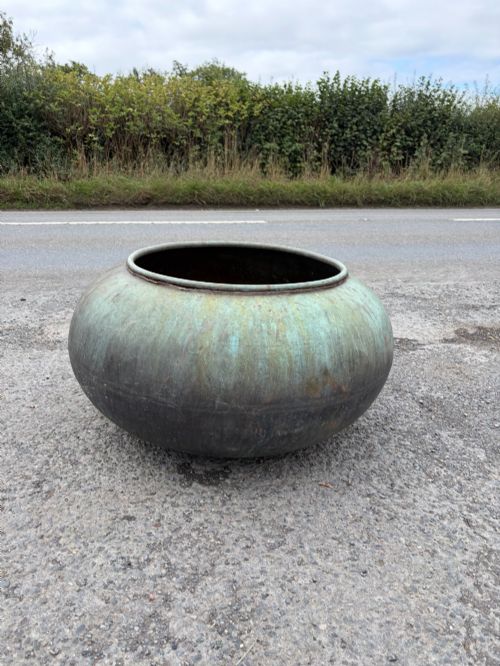
The character of the surface finish dictates visual success, favouring untouched oxidation, natural verdigris, and genuine aged patination over overly polished or stripped metal.
The Rustic Log Planter Glossary
- Cauldron
- A large metal pot with a wide mouth, traditionally used over an open fire for boiling or brewing. These deep vessels now serve well as robust log holders beside a hearth.
- Coopered
- Built from curved wooden staves fitted together and bound by metal or wooden hoops. This method created watertight vessels like barrels and well buckets.
- Verdigris
- The green patina that forms naturally on copper, brass, or bronze through atmospheric oxidation. Collectors value this surface layer for its visual depth and proof of age.
- Treen
- Small domestic wooden objects made by turning or carving timber. These items showcase the grain and natural figure of historical woods.
- Ferrat
- A traditional French copper vessel or basin used in rural domestic tasks. They often feature robust iron swing handles for heavy transport.
Rustic Log Planter: Frequently Asked Questions
What materials make up these planters?
The selections consist primarily of heavy copper, brass, wrought iron, and various woods including oak, pine, elm, and sycamore.
Earthenware with glaze also appears among the naturalistic pottery forms.
How were these metal vessels used originally?
Many began as cheese vats, boiling coppers, cream setting pans, or general farm buckets before finding new utility indoors.
Their sturdy construction suited heavy agricultural labour and domestic hearth maintenance.
Can I use them outside as garden planters?
Copper, iron, and treated wood handle outdoor conditions well, though drainage depends on the specific vessel's base.
Weathered surfaces often improve outdoors as copper continues to oxidise.
How do I identify a Georgian piece?
Georgian items typically display hand-beaten copper construction with distinct riveted seams and forged iron handles.
Stylistic cues align with eighteenth-century utilitarian domestic design rather than later Victorian industrial output.