



Rustic Lighting Fixture
A rustic lighting fixture brings weight and texture to a room, trading polished perfection for the honest grain of wrought iron, copper, leather, and vellum.
Rustic Lighting Fixture
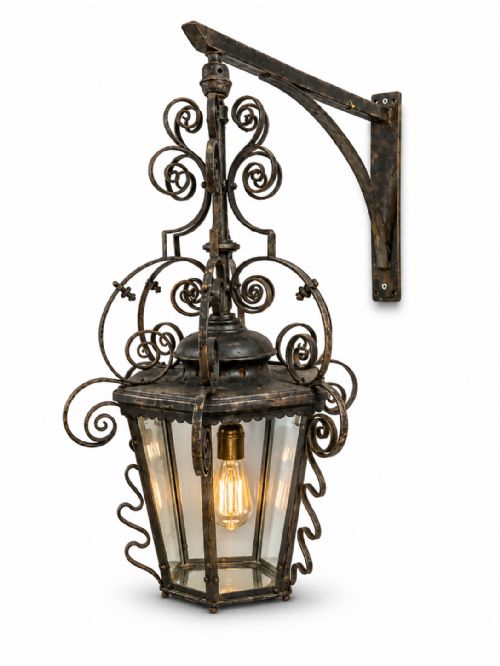
A rustic lighting fixture is built to anchor a room with heavy materials and tactile forms, spanning chandeliers, wall lights, and hanging lanterns. When searching for a rustic lighting fixture, buyers encounter pieces that draw heavily on Arts and Crafts, Gothic Revival, and French country traditions. These sources supply the solid metalwork, framed glass panels, and organic details that define the category.
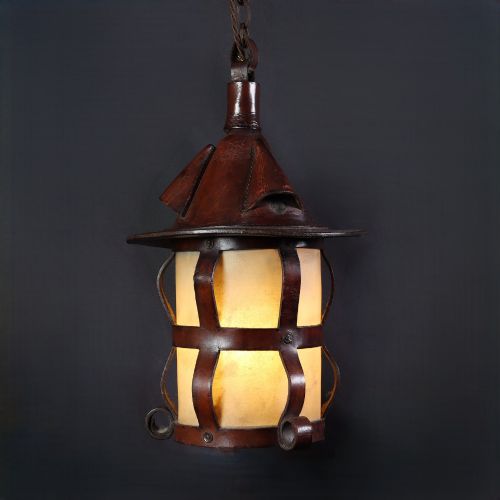
The selections recorded here lean toward the practical and the robust, featuring hanging lamps, wall sconces, and hall lanterns rather than delicate parlor pieces. Iron chandeliers hung with coloured crystal fruits and blacksmith-made hall lanterns sit alongside vellum lanterns and deer antler triangles. This mix reflects how makers across the nineteenth and early twentieth centuries combined utility with regional vernacular styles.
Origins stretch from French chateaus and highland lodges to local blacksmith workshops, grounding each rustic lighting fixture in a specific architectural past. Pieces from the nineteenth century share space with early twentieth-century examples, showing a continuous appetite for lanterns and chandeliers that celebrate hand-worked construction over machine precision.
How they were made
Construction relies heavily on blacksmith-forged wrought iron, cast iron, and beaten copper, shaped into sturdy frames and brackets for wall lights and ceiling fixtures. Metal elements are often paired with hand-stitched leather, stretched vellum, and coloured glass panels to diffuse light through dense materials.
Makers utilised mechanical assembly alongside hand-crafting techniques, stitching leather components and riveting copper plates by hand. Hanging pieces incorporate chains, iron branches, and antler triangles secured with traditional fixings to support the weight of glass and metal.
Rustic Lighting Fixture Retail Price Guide 2026
Typical asking prices for rustic lighting fixture among the pieces listed under this phrase on Sellingantiques today, from the lower quarter to the upper quarter. They describe what is for sale here now, not the wider market.
One chandelier swaps traditional prisms for coloured crystal grapes, apples, and pears.
What varies in quality
Quality rests in the integrity of the materials and the directness of the hand-work, distinguishing mass output from individual smithing. A well-made rustic lighting fixture shows clean hammer marks on iron, tight stitching on leather components, and securely fitted glass panels without excess solder or modern bracing.
The character of secondary elements also sets examples apart, such as the clarity of coloured crystal fruit drops on a chandelier or the careful joining of a vellum lantern frame. Better pieces maintain structural balance across heavy branches and lanterns, ensuring the weight hangs true from original chains.
The Rustic Lighting Fixture Glossary
- Wrought iron
- Iron that has been heated and hammered into shape by hand. This material forms the rigid skeletal frames of many heavy chandeliers and wall sconces.
- Vellum
- Prepared animal skin used as a translucent shade material. It softens the light output in hand-stitched lanterns.
- Wall sconce
- A light fixture fixed to a wall to provide ambient illumination. These pieces often feature iron brackets or copper backplates.
- Arts and Crafts
- A design movement valuing traditional craftsmanship and honest materials. It heavily influences the lanterns and hanging lamps found in this category.
- Chandelier
- A branched decorative ceiling light designed to hold multiple illumination points. Examples here incorporate iron branches and glass fruits.
Rustic Lighting Fixture: Frequently Asked Questions
How do I clean a rustic lighting fixture?
Dust metal and glass surfaces gently with a dry or slightly damp cloth to preserve the aged finish and any leather elements.
Avoid chemical polishes that strip the natural oxidation from copper and wrought iron components.
Can these old fixtures use modern bulbs?
Most wired pieces accept standard contemporary bulbs, provided the electrical components have been checked or updated for safety.
Consult a qualified electrician to inspect older internal wiring before hanging and connecting the fixture.
Where should a hanging lantern be placed?
Hallways, porches, and high-ceilinged landings provide the ideal scale and clearance for heavy lanterns and chandeliers.
Ensure the ceiling structure supports the combined weight of iron, glass, and metal branches.
How do I identify the period of a piece?
Look to the construction methods, such as hand-riveted copper or stitched vellum, alongside stylistic cues from Gothic Revival or Arts and Crafts traditions.
Material choices like raw cast iron and specific glass types help anchor the piece within the nineteenth or early twentieth century.