


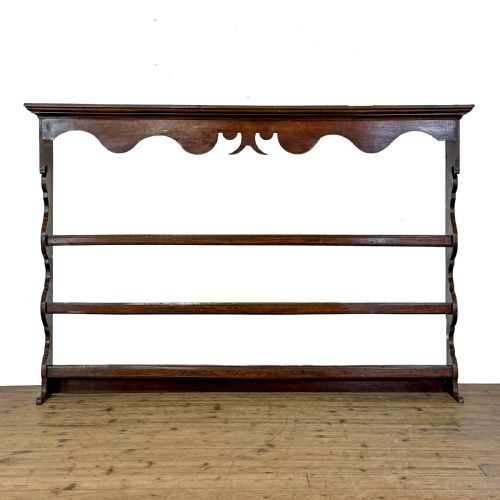


Rustic Kitchen Shelving
These rustic kitchen shelving pieces bring honest timber and practical storage into modern homes, offering the same utility and charm they provided centuries ago.
Rustic Kitchen Shelving
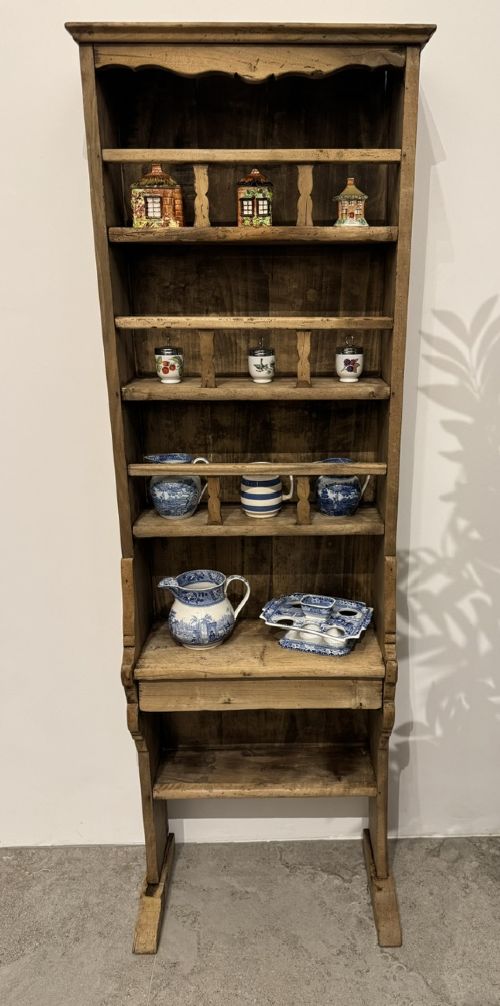
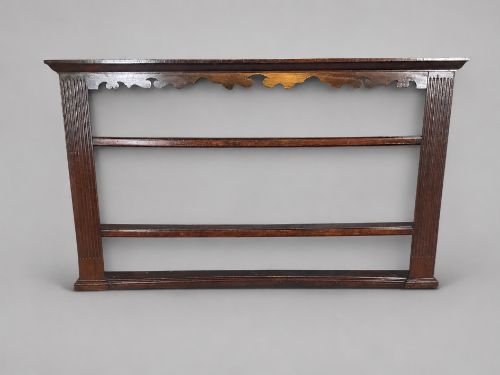
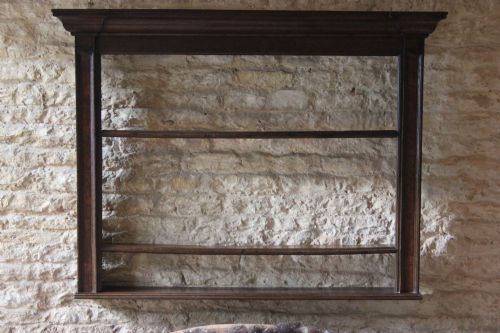
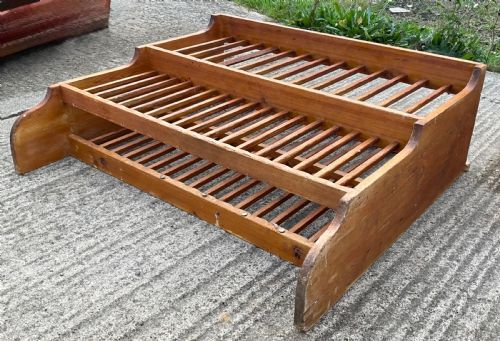
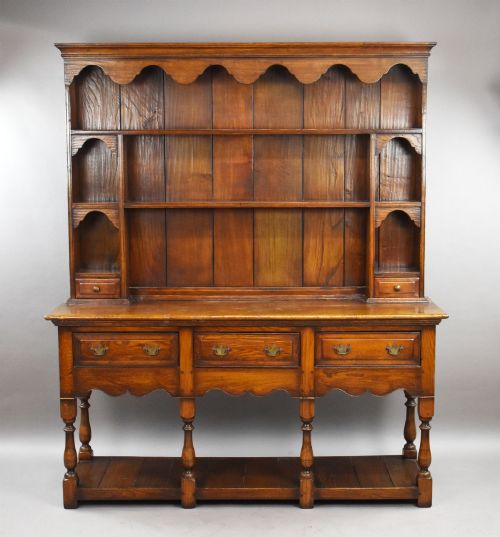
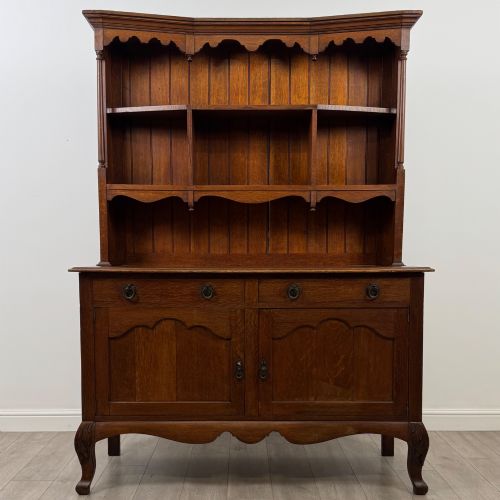
Buyers will encounter hanging wall shelves alongside substantial two-part Welsh dressers and open plate racks. Oak and pine dominate the forms, frequently showing the honest wear of centuries of daily kitchen use.
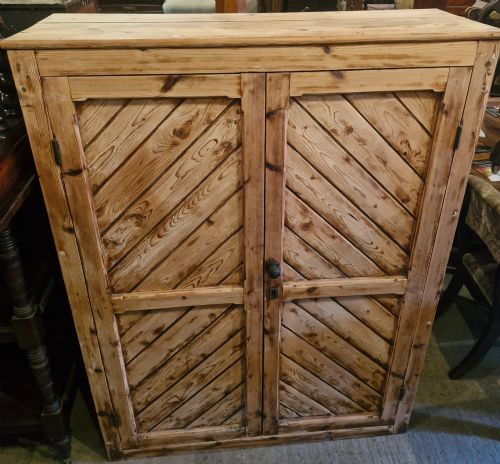
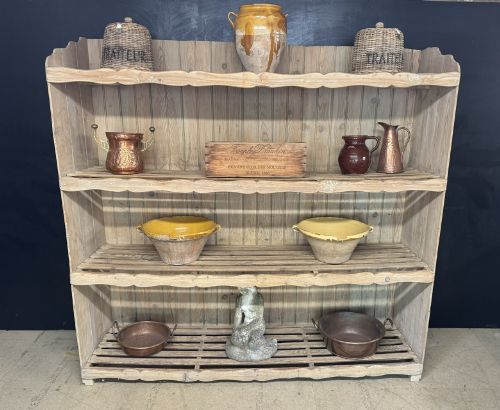
Regional variations include French provincial bakers racks and English country oak pieces featuring open shelves and cupboard spaces. These items provide practical display areas that suit both period properties and modern interiors seeking character.
Materials and construction
Cabinetmakers relied heavily on native timbers such as oak, elm, and pine, selecting solid boards for durability in busy domestic environments. Iron and brass hardware, including hinges and hooks, provided robust fixings for hanging and support.
Construction techniques involved traditional joinery suited to daily utility, with open shelves designed to display plates and bowls securely. Selected pieces also incorporated sheet metal and burr walnut, introducing varied textures to functional kitchen furniture.
Rustic Kitchen Shelving Retail Price Guide 2026
Typical asking prices for rustic kitchen shelving among the pieces listed under this phrase on Sellingantiques today, from the lower quarter to the upper quarter. They describe what is for sale here now, not the wider market.
Field kitchen dressers once travelled to serve meals outdoors, earning every scratch they carry.
Assessing quality and character
Quality in these pieces is dictated by the integrity of the timber, the balance of proportions, and the survival of original patination. Superior examples display thoughtful joinery and harmonious proportions between open shelving and enclosed cupboard sections.
The character of the surface finish plays a significant part in the appeal, where honest age and mellowed timber supersede uniformity. Pieces that retain their original structural integrity while showing the gentle softening of edges from generations of use stand apart.
The Rustic Kitchen Shelving Glossary
- Delft rack
- A wall-mounted or dresser-top rack specifically designed with narrow grooves to hold plates upright on display. These racks traditionally showcased valuable ceramics in the kitchen or dining area.
- Welsh dresser
- A traditional furniture form combining base cupboards or drawers with upper open shelving for crockery. The two-part construction allowed large units to be transported and assembled within domestic spaces.
- Plate rack
- An open shelving unit featuring vertical slats or rails to prevent plates from sliding forward. They formed an essential part of the working kitchen for air-drying and storing everyday earthenware.
- Provincial
- A term describing furniture made in the regions rather than metropolitan workshops, often displaying local design preferences. These pieces utilise regional timbers and practical construction methods suited to country life.
Rustic Kitchen Shelving: Frequently Asked Questions
What is the difference between a wall rack and a dresser?
A wall rack is a self-contained unit designed to be fixed directly to a wall for holding plates and small items. A dresser is a larger, often floor-standing piece that combines base storage cupboards with upper open shelves.
While both provide kitchen display space, wall racks suit smaller rooms or spaces above existing work surfaces. Dressers offer substantial footprint storage and serve as a central furniture piece within a kitchen or dining area.
How do I secure heavy oak shelving to the wall?
Heavy oak and pine wall shelves require sturdy fixings anchored directly into structural wall studs or masonry. Using appropriate wall plugs and heavy-duty brackets ensures the significant weight of the timber and stored ceramics is safely supported.
It is advisable to distribute the weight evenly across the fixing points provided on the back frame of the piece. Professional installation is recommended for older items lacking modern mounting hardware.
How do I care for antique pine and oak in a kitchen?
Protect timber surfaces by wiping away moisture promptly and avoiding placement directly above intense heat sources like cookers. Regular dusting with a dry cloth maintains the finish without building up heavy chemical residues.
Applying a traditional beeswax occasionally helps nourish the wood and preserves its natural sheen. Allowing the timber to acclimatise to modern central heating prevents excessive drying or splitting.
Can these open shelves hold heavy modern crockery?
Period shelving was constructed to support heavy earthenware and ironstone plates used in daily historical cooking. The robust timbers such as oak and pine provide ample strength for contemporary dinnerware.
However, buyers should inspect the depth of the plate grooves and the overall fixing strength before loading heavy items. Distributing weight evenly across the shelves ensures safe daily use.