



Rustic Iron Sculpture
These rustic iron sculpture pieces bring character and industrial weight to a room, forged from iron and sheet metal with enduring appeal.

Rustic Iron Sculpture
Rustic iron sculpture encompasses heavy cast objects, architectural salvage, and folk art items created primarily from iron, wrought iron, and sheet metal. These items range from utilitarian objects like farrier's anvils and hitching posts to decorative animal figures and weather vanes.
Buyers are most likely to encounter animal forms such as horses, eagles, and cockerels, alongside human figures and functional items given sculptural presence. Many pieces date from the nineteenth and early twentieth centuries, reflecting Victorian and folk art traditions.
The objects often double as garden statues, desk ornaments, or wall brackets, bridging the gap between practical utility and sculptural folk art. Their appeal lies in weathered surfaces and robust construction that ground an interior or garden scheme.
How they were made
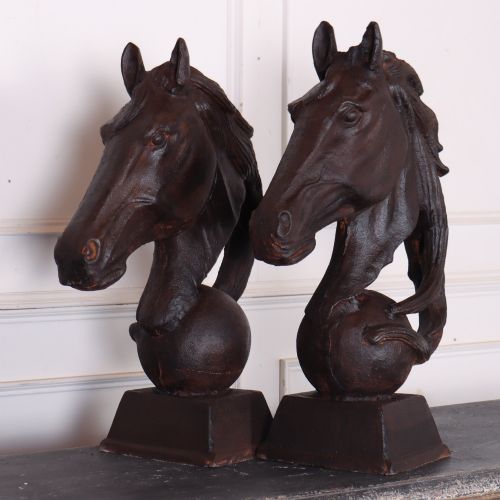
Makers utilised casting techniques for sturdy figures like horse heads and eagles, pouring molten metal into moulds to achieve durable forms. Wrought iron and sheet metal were shaped by hand for weather vanes, balance toys, and whirligigs.
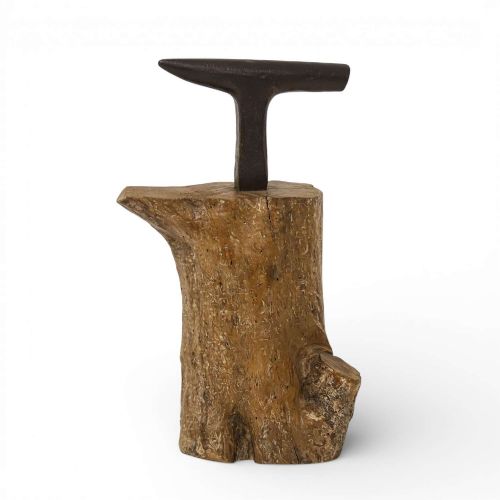
Many surviving surfaces retain traces of old paint or bronze finish patina applied over the bare iron. Stone and wood frequently serve as mounting bases for the metalwork, anchoring the heavier sculptures.
Rustic Iron Sculpture Retail Price Guide 2026
Typical asking prices for rustic iron sculpture among the pieces listed under this phrase on Sellingantiques today, from the lower quarter to the upper quarter. They describe what is for sale here now, not the wider market.
An old metal balance toy is ready to judge your desk organisation with silent equestrian skepticism.
What varies in quality
Quality rests upon the expressiveness of the form and the integrity of the material surfaces. Sculptures with distinct anatomical details or spirited silhouettes stand apart from simpler production pieces.
The character of the aged surface, whether through weathered paint or natural oxidation, contributes significantly to the visual weight. Integration with original mountings like fruitwood trunks or stone bases also influences the presence of the piece.
The Rustic Iron Sculpture Glossary
- Cast Iron
- A hard, brittle alloy formed by casting, used extensively for nineteenth-century figures and heavy architectural brackets. It provides sturdy mass and sharp detail.
- Weather Vane
- A pivoting device mounted on roofs to indicate wind direction, frequently fashioned as animals from sheet metal. These serve as kinetic folk art sculptures.
- Animalier
- A nineteenth-century artistic style focusing on the realistic depiction of animals, often rendered in metal. This approach captures motion and musculature.
- Hitching Post
- A heavy post of iron or stone with a ring for tethering horses, often topped with sculptural heads. They survive as robust decorative objects.
- Whirligig
- A wind-driven wooden or metal folk art toy with moving parts, designed for gardens and rooftops. Their animated elements showcase early twentieth-century ingenuity.
Rustic Iron Sculpture: Frequently Asked Questions
Where should I place a cast iron sculpture?
These robust pieces suit gardens, hallways, or studies where their weight and industrial finish provide a strong anchor. They handle sheltered outdoor settings well when protected from extreme damp.
Heavier items like millstones and hitching posts require stable ground or secure wall brackets to support their mass safely.
How do I care for weathered iron?
Keep the metal dry and dust it gently with a soft brush to preserve existing paint or patinas. Avoid harsh chemical cleaners that strip away the aged character.
Applying a light microcrystalline wax can help protect exposed iron surfaces from further oxidation indoors.
Are these pieces genuinely old?
The selections span the eighteenth, nineteenth, and early twentieth centuries, showing authentic signs of age, wear, and old paint layers. Material fatigue and natural corrosion patterns help confirm their historical periods.
Construction methods, such as hand-forging and early casting techniques, distinguish older examples from modern reproductions.
What is folk art metalwork?
Folk art metalwork comprises items made by vernacular makers rather than industrial factories, often resulting in charmingly idiosyncratic proportions. These include whirligigs, balance toys, and weather vanes.
Such pieces reflect regional traditions and practical ingenuity rather than academic artistic rules.