


Rustic Iron Log Holder
A rustic iron log holder is a robust hearth essential that brings practical hearth utility and period character to a fireplace.
Rustic Iron Log Holder
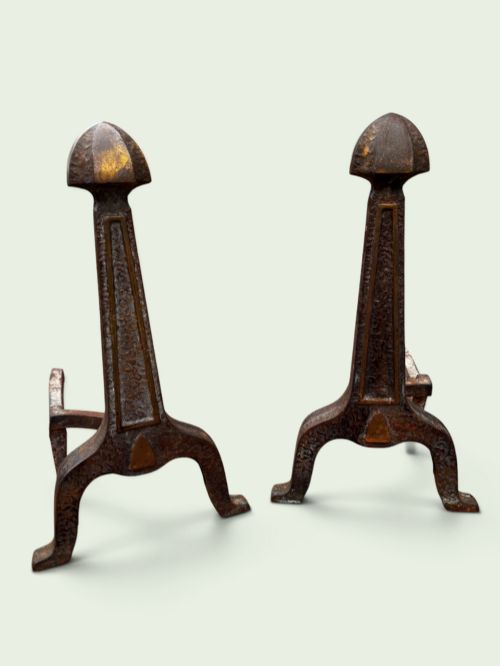
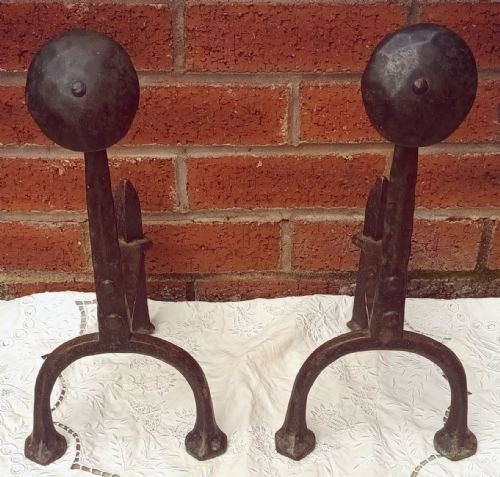
A rustic iron log holder encompasses utilitarian fireplace accessories and hearth vessels designed to store fuel beside an open fire. These items emerge from various periods including the Georgian era, the Victorian period, and the early twentieth century.
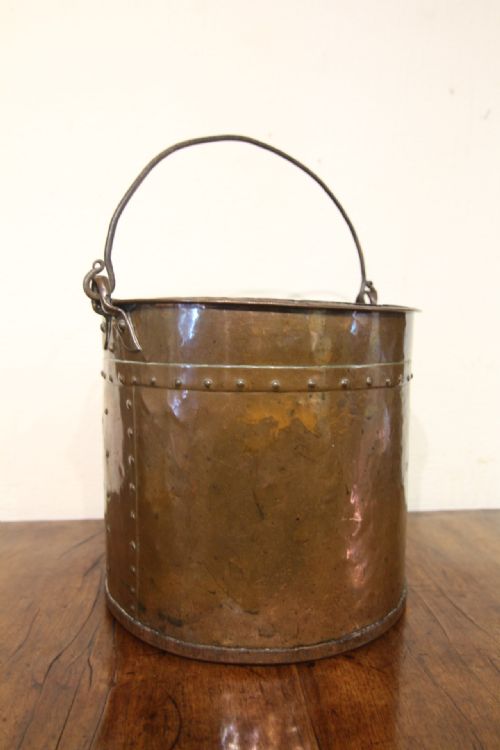
The selection frequently includes andirons, fire dogs, and log bins alongside copper buckets with wrought iron handles. Pieces span styles from Arts and Crafts and Gothic Revival to industrial utilitarian and French country.
Buyers will encounter items fashioned from wrought iron, cast iron, and timber alongside vessels pairing iron with copper and brass. Forms range from blacksmith-made coal wagons to dug out tree trunks adapted for fireside use.
Construction and Materials
Makers utilised forged metals and natural timber, combining wrought iron handles with hand-hammered copper bodies in many fuel bins and cauldrons. Blacksmiths shaped iron by hand to produce durable fire dogs and andirons capable of supporting heavy fuel loads.
Cast iron techniques yielded sturdy vessels and grates, while joinery methods secured oak in pieces such as dug out tree trunks and log layers. Rivets fastened sheet copper seams on large storage buckets, ensuring structural strength for heavy hearth service.
A sturdy tree trunk found on this site spent its early life as a dug out timber before settling down beside a hearth.
Standards of Execution
Quality rests on the integrity of the metalwork, distinguishing carefully hand-forged blacksmith pieces from routine utilitarian castings. The thickness of copper plate and the strength of riveted or welded joints determine the durability of cauldrons and bins.
Proportion and the harmonious integration of mixed materials, such as iron fittings upon copper bodies or oak timber, elevate a piece. Evidence of genuine age in the surface oxidation and wear patterns separates period items from later reproductions.
The Rustic Iron Log Holder Glossary
- Andirons
- Supports used to raise firewood above the hearth floor to improve combustion and airflow. These metal bars often feature decorative terminals.
- Wrought iron
- Tough, malleable iron worked while hot by a blacksmith. This material bends under a hammer rather than snapping.
- Cauldron
- A large metal pot with a swing handle used historically for boiling and later adapted for fuel storage. These vessels frequently combine copper bodies with iron handles.
- Arts and Crafts
- A design movement valuing handcraftsmanship and simple forms. Objects from this style display visible artisan methods and honest construction.
Rustic Iron Log Holder: Frequently Asked Questions
How were log holders used?
These vessels stood beside hearths to keep firewood or coal dry, organised, and close at hand for burning. Many doubled as general storage for kindling or turf.
Larger cauldrons and buckets also served domestic utility roles before finding a permanent place beside the fireplace as fuel stores.
What metals are most common?
Iron predominates in the form of wrought iron or cast iron for structural elements, fire dogs, and handles. Copper appears frequently in the bodies of large bins, cauldrons, and buckets.
Brass and oak also feature in specific containers, adding tonal variety to the metalwork.
How do I date a piece?
Dating relies on observing manufacturing marks, construction methods, and material styles associated with periods like the Georgian era or Victorian times. Hand-forged details often suggest nineteenth-century origins or earlier.
Industrial pieces and Arts and Crafts examples carry stylistic cues particular to the late nineteenth and early twentieth centuries.
Can they be used outdoors?
Many of these vessels, particularly copper buckets and iron cauldrons, adapt well to garden settings as planters and garden vessels. Their weather-resistant metal construction suits exterior display.
Care should be taken with timber elements such as oak tree trunks when exposed to continuous moisture.