




Rustic Iron Figures
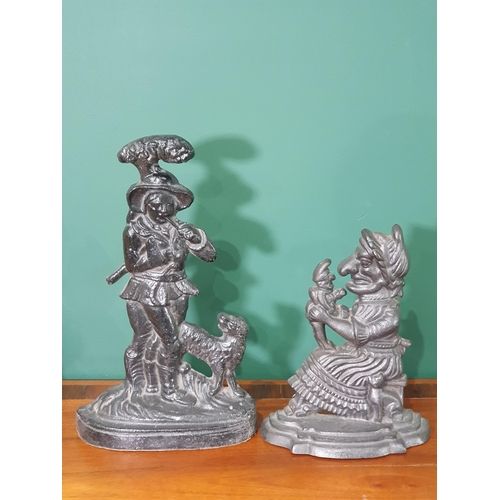
These rustic iron figures bring tactile charm to a room, ranging from folk art whirligigs to cast iron doorstops.
Rustic Iron Figures
When you search for rustic iron figures, you encounter an eclectic mix of sculptural objects and utilitarian items shaped from metal. These pieces encompass everything from balance toys and paperweights to garden statues and animal sculptures.
The selections span the nineteenth century through the early twentieth century, taking in English folk art, American folk art, and Victorian or Edwardian designs. You are most likely to meet cast iron sculptures, painted iron figures, and sheet metal weathervanes or bird scarers.
How they were made
The makers utilised cast iron, wrought iron, and sheet iron, often combining these metals with wood or finishing surfaces with paint. Casting allowed for solid figures such as dogs and children, whilst sheet metal enabled kinetic movement in balance toys and whirligigs.
Surface treatment relied on painted finishes that have aged over time, displaying the natural wear of domestic and outdoor use. Construction methods ranged from heavy casting to clever counterweight engineering for toys and weather-vanes.
Rustic Iron Figures Retail Price Guide 2026
Typical asking prices for rustic iron figures among the pieces listed under this phrase on Sellingantiques today, from the lower quarter to the upper quarter. They describe what is for sale here now, not the wider market.
The listings feature pieces spanning the nineteenth century, 1880, 1900, 1920, and 1930.
What varies in quality
Quality rests upon the sculptural fidelity of the casting and the charm of the hand-painted surfaces. A well-modelled animal or human figure displays clear lines and balanced proportions.
The preservation of original paint layers elevates a piece, distinguishing items that retain their historic character from those with heavy later interventions. Kinetic objects succeed through the cleverness and smooth action of their mechanism.
The Rustic Iron Figures Glossary
- Cast iron
- A hard, brittle alloy of iron and carbon that is poured into moulds to create solid forms. It provides the heavy substance necessary for doorstops and paperweights.
- Folk art
- Artistic work created in a traditional style by untrained artists, often utilitarian in purpose. These pieces reflect regional traditions and vernacular ingenuity.
- Balance toy
- A kinetic sculpture that pivots on a central point using counterweights. These items move with slight air currents or touches.
- Weathervane
- An instrument mounted on a roof to show the direction of the wind, frequently fashioned into silhouettes of animals or birds. Sheet metal and iron are typical materials for these functional objects.
Rustic Iron Figures: Frequently Asked Questions
What are rustic iron figures?
These pieces comprise utilitarian and decorative objects made from cast iron, sheet iron, and painted metal.
They include doorstops, paperweights, animal sculptures, and kinetic toys from the nineteenth and early twentieth centuries.
How were balance toys used?
Balance toys functioned as desk amusements or decorative ornaments that moved with air currents.
Their counterweights allowed them to rock or teeter without tipping over.
Where were these figures made?
The listings show English and American folk art traditions alongside European foundry work.
Objects originated in domestic, agricultural, and workshop settings.
How do I date these iron pieces?
Dating relies on casting styles, material composition, and the wear patterns on painted surfaces.
Nineteenth-century items often show heavier casting, whilst twentieth-century examples include kinetic toys and bird scarers.