


Rustic Genre Painting
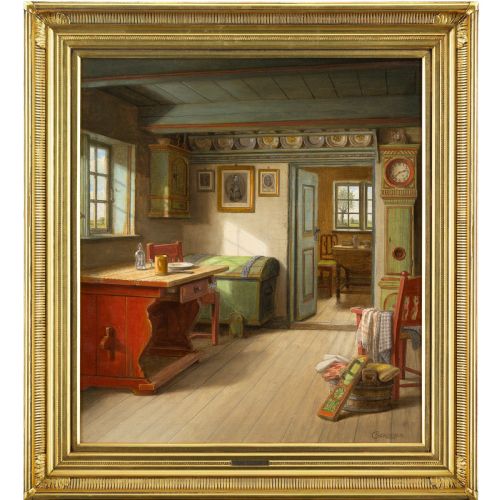
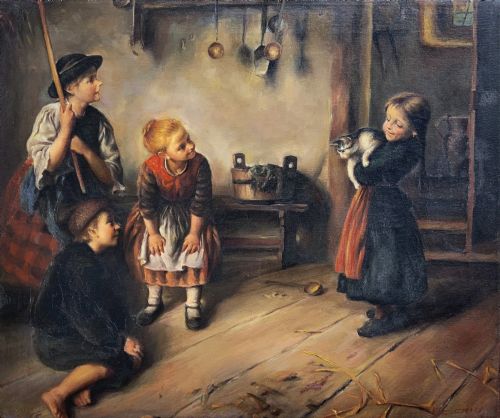
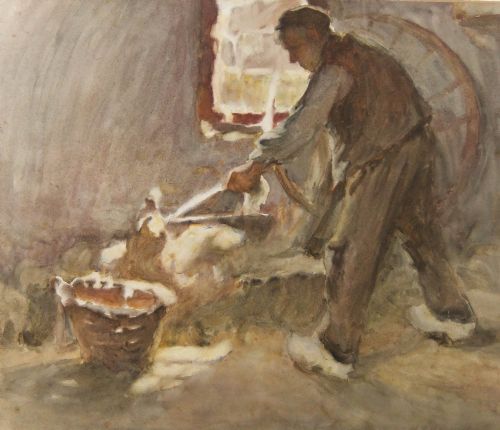
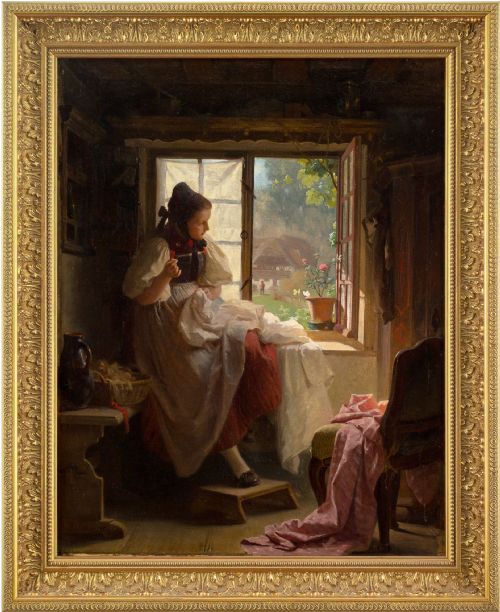
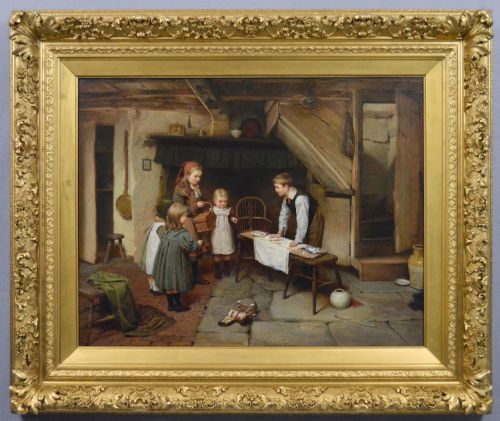
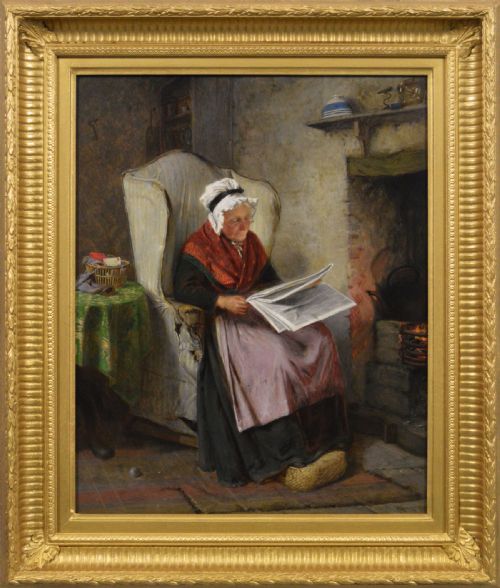
Rustic genre painting captures domestic country life, cottage interiors, and everyday rural moments through nineteenth-century brushwork.
Rustic Genre Painting
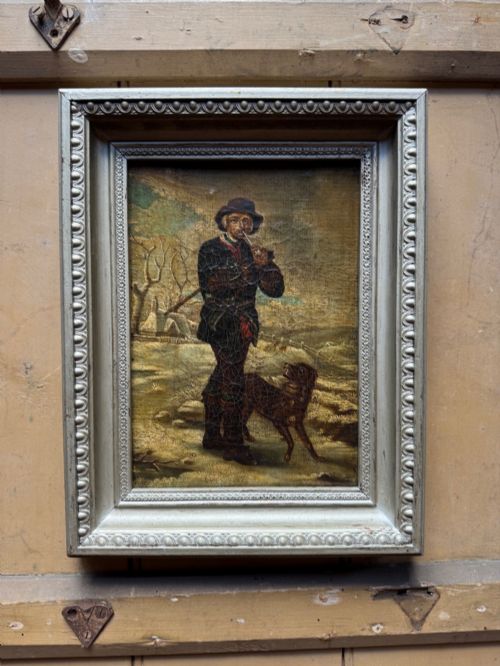
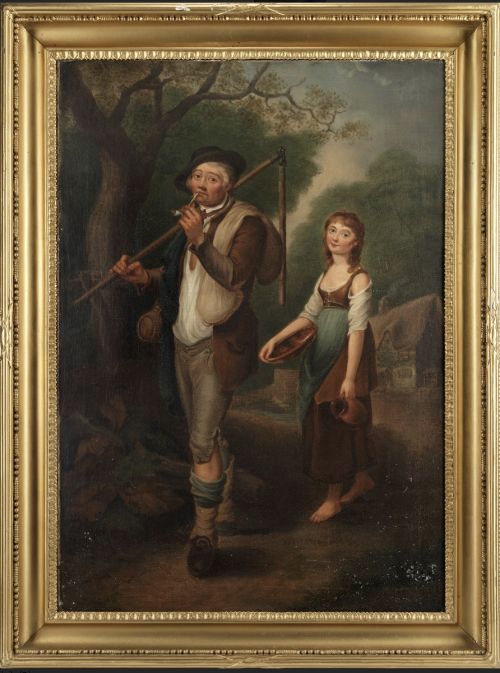
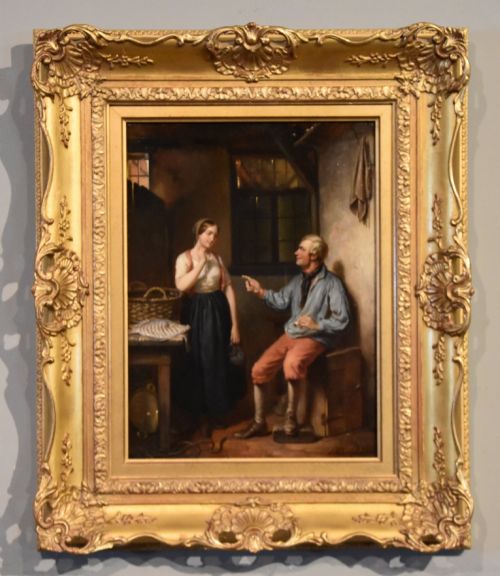
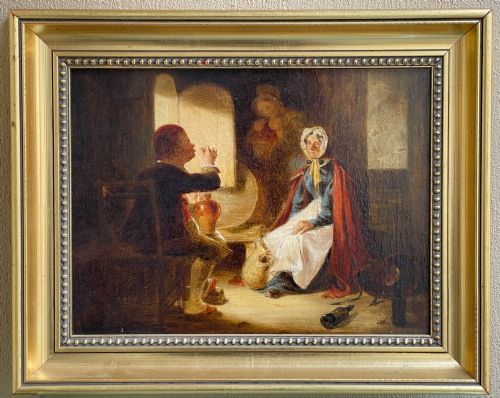
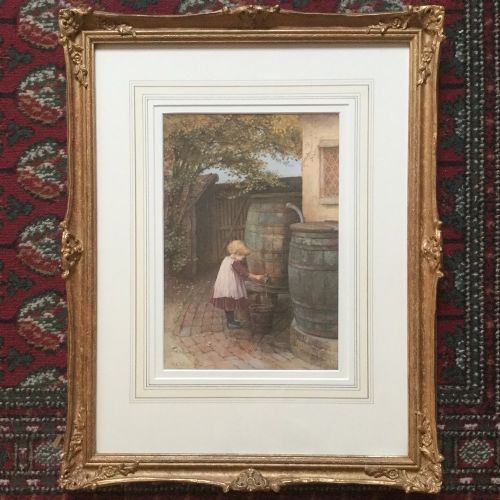
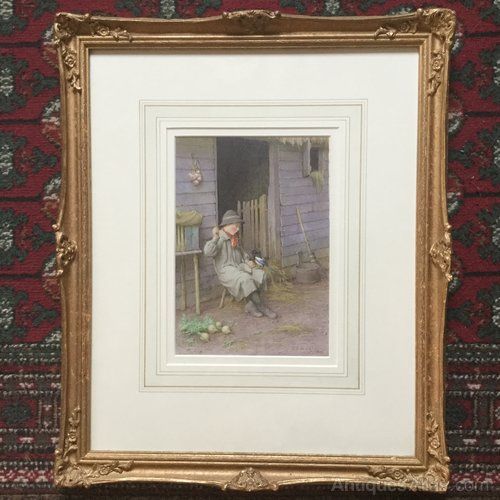
A rustic genre painting focuses on everyday scenes of rural life, cottage interiors, and domestic labour rather than grand historical or mythological subjects. Collectors seeking a rustic genre painting encounter nineteenth-century canvases, watercolours, and panel works portraying children, farmworkers, and tavern scenes.
The pieces on this page span the Victorian era into the mid-twentieth century, showing both British and continental European settings. Subjects range from blacksmiths and spinners at work to children playing and quiet fireside rests in highland cottages.
Artists record ordinary moments with narrative detail, framing rural existence through intimate interior views and exterior pastoral landscapes. These works offer a window into past social conditions, rendered by named painters and regional schools alike.
Materials and Technique
Painters used oil paint applied to canvas, wood panels, or millboard, building up rich surfaces that capture light in domestic interiors. Watercolours on paper also appear frequently, allowing artists to render delicate cottage scenes and landscape details with lighter washes.
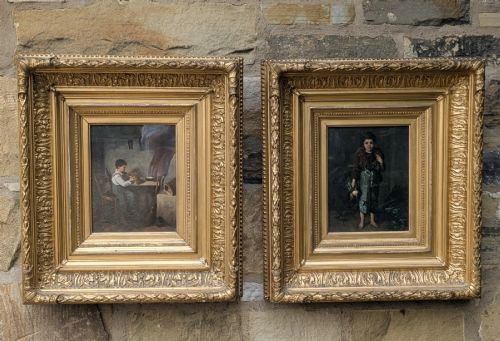
Many works retain their original giltwood and gesso frames, which complement the tonal depth of the pigments. Ground layers and canvas supports reflect traditional nineteenth-century studio practices, ensuring the physical longevity of these figurative compositions.
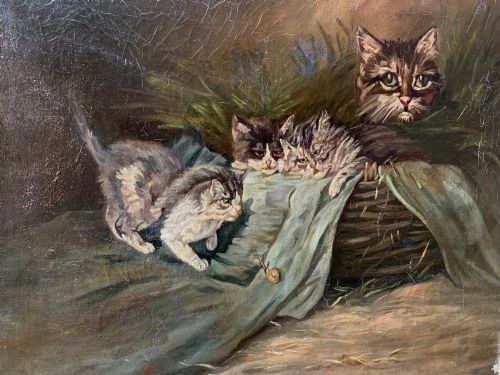
Sails, snails, and pet rabbits share the domestic stage with children and cottage grandmothers across these rustic canvases.
Quality and Execution
Quality rests upon the artist's handling of human anatomy, facial expression, and light within confined interior spaces. Stronger examples display confident brushwork and narrative clarity that bring domestic moments to life without descending into sentimentality.
The integration of figures into their rural or domestic surroundings distinguishes finer works from more formulaic studio output. Preservation of the original paint surface and framing also contributes significantly to the standing of an individual piece.
Thomas Barker of Bath·Henry Silkstone Hopwood·Max Kaltenmoser·Jacob Akkersdijk·Miles Birkett Foster·Charles Edward Wilson·Harry Brooker·Haynes King·James Kyd·Henry John Yeend King·Vincenzo Irolli·Edwin Thomas Roberts·R. Palnay·Thomas Couture·John Henry Dell·Paul Jones·Leonardo Morello·David Woodlock·Théophile Emmanuel Duverger·Henry Spernon Tozer·Gustav Goemans·William Lucas·Edward Killingworth Johnson·Robert McGregor·Francis William Topham
The Rustic Genre Painting Glossary
- Genre painting
- Artwork depicting scenes from ordinary life, typically involving domestic interiors, street scenes, or rural workers. These pieces focus on narrative and human interaction rather than portraits or landscapes.
- Oil on canvas
- A painting medium where pigments are suspended in a drying oil and applied to stretched fabric. This technique allows for deep colour saturation and gradual blending.
- Gesso
- A white paint mixture consisting of a binder mixed with chalk, gypsum, or pigment. It served as a prepared surface for wood panels or as a base for ornate frame gilding.
- Watercolour
- A painting method in which the paints are made of pigments suspended in a water-based solution. Paper serves as the primary support, creating translucent washes of colour.
- Panel painting
- A painting executed on a flat piece of wood rather than stretched canvas. This rigid support was common in nineteenth-century cabinet pictures and smaller interior scenes.
Rustic Genre Painting: Frequently Asked Questions
What subjects appear in rustic genre painting?
These works depict everyday rural subjects, including cottage interiors, farmyard scenes, children playing, and tradespeople at work.
Artists focused on the realistic details of working-class domestic life, capturing moments around the fireside or outside country inns.
How do I date a nineteenth-century painting?
Dating relies on stylistic clues, framing techniques, signatures, and exhibition records associated with the artist.
Material analysis of canvas preparation and panel construction also helps narrow the period of creation.
Where were these cottage interior scenes painted?
Painters worked across Britain, France, Germany, Italy, and the Netherlands, recording local regional costumes and architecture.
Many artists travelled to rural communities to sketch peasant life and domestic interiors directly from observation.
How should I display watercolour works?
Watercolours require careful placement away from direct sunlight to prevent fading of the delicate pigments on paper.
Framing behind conservation-grade glass protects the surface from atmospheric moisture and dust accumulation.