

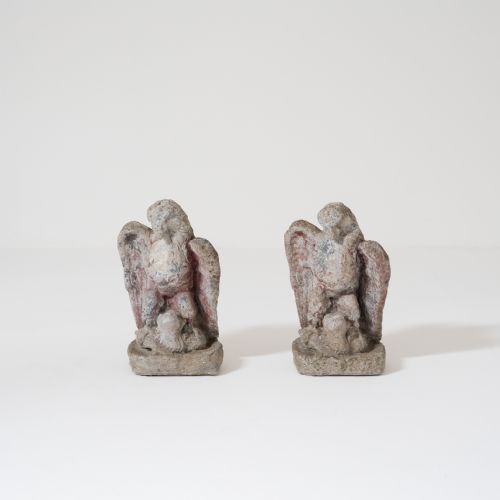
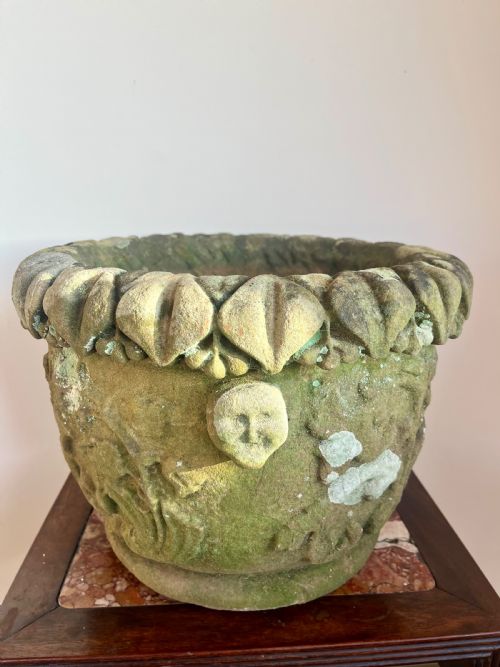


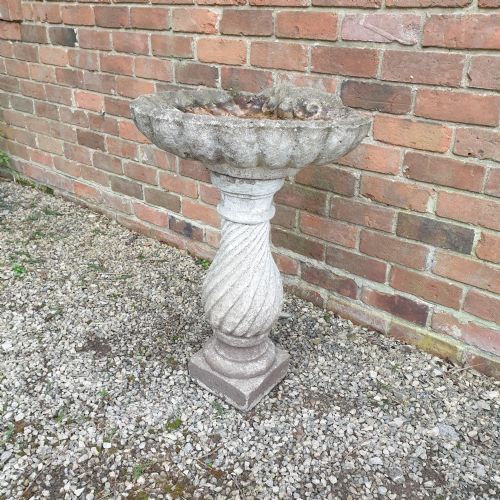


Rustic Garden Ornaments
Rustic garden ornaments bring centuries of stone, cast iron and vernacular craft straight into the open air.
Rustic Garden Ornaments
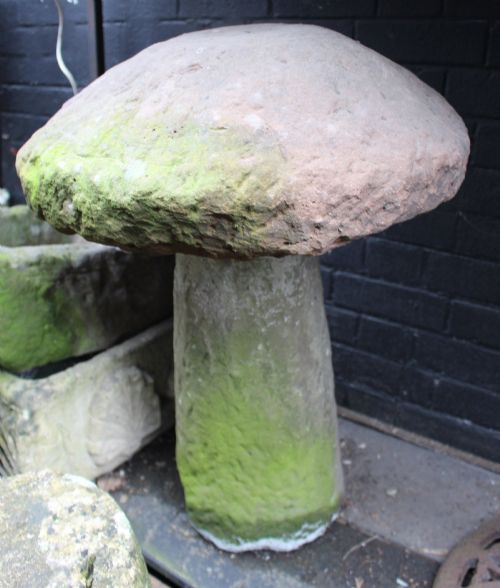
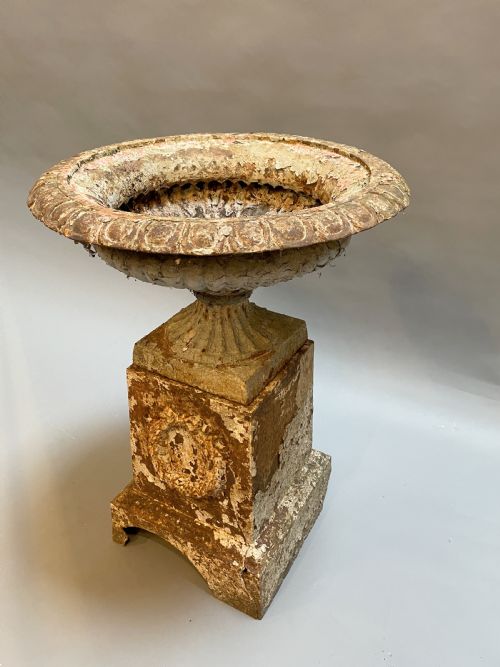
Rustic garden ornaments encompass a diverse array of architectural salvage, sturdy staddle stones and weathered statues designed to anchor natural landscapes. When searching for rustic garden ornaments, buyers encounter everything from heavy Cornish granite foundations to Victorian cast iron urns shaped by decades outdoors.
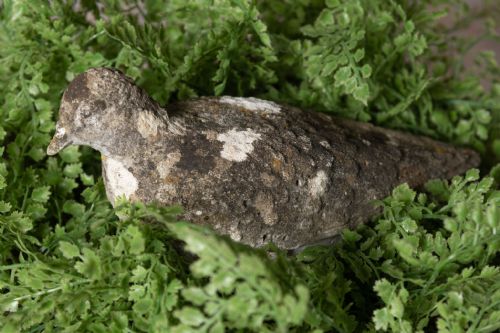
The pieces on this page span several centuries, with a strong showing of 18th century, Georgian and 19th century vernacular objects. Practical items from agriculture and trade, such as mill stones and staddle stones, sit alongside decorative bird baths and garden planters.
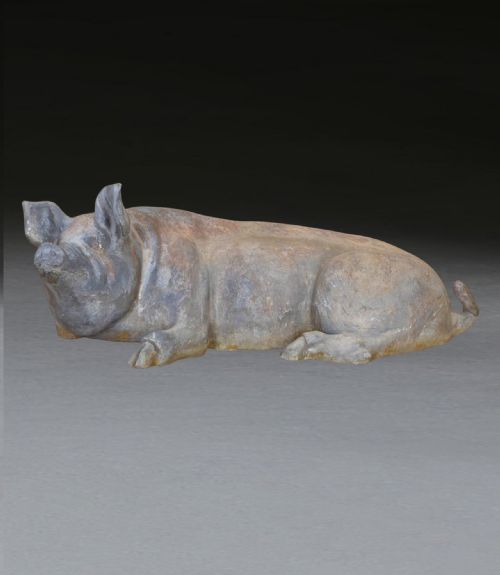
Muted tones of moss, lichen and weathered paint define the aesthetic of these outdoor survivors. Buyers are most likely to meet utilitarian stone bases and cast iron animal figures that have acquired a deep, organic patina through long exposure to the elements.
Assessing Quality and Character
Quality in these outdoor pieces rests on the integrity of the material and the honesty of the weathering. Natural stone objects carved from solid granite or sandstone display a crispness in surviving detail and a structural heft that distinguishes them from lighter modern alternatives.
Surface maturity plays a vital role, where genuine biological growth like moss and lichen signals decades of atmospheric exposure rather than artificial ageing. The balance of proportions in vernacular items, such as the relationship between a staddle stone cap and its base, determines visual harmony.
The selection includes heavy 18th century Cornish granite staddle stones alongside 19th century cast iron animal figures and bird baths.
The Rustic Garden Ornaments Glossary
- Staddle stone
- A mushroom shaped stone support originally used to elevate granaries above damp ground and deter vermin. These architectural elements now serve as striking focal points in garden landscapes.
- Architectural salvage
- Building components and structural fragments rescued from demolition or alteration. These pieces range from mill wheels to chimney pots repurposed for modern outdoor decoration.
- Reconstituted stone
- A composite material made from crushed stone and cement binder moulded into specific forms. This technique allowed the reproduction of classic garden ornaments during the 20th century.
- Boot scraper
- A stationary metal blade or box fixed near an entrance to clean mud from footwear. Georgian and Victorian examples frequently double as functional sculptural ironwork.
- Weathervane
- A pivoting metal device designed to show the direction of the wind. Copper figures mounted on these vanes capture early 20th century folk art traditions.
Rustic Garden Ornaments: Frequently Asked Questions
What is a staddle stone used for?
Staddle stones originally functioned as sturdy raised foundations for timber granaries, keeping stored grain dry and safe from rodents.
Today, they are placed directly on lawns or embedded in garden beds as sculptural focal points that bring a sense of historical weight to outdoor spaces.
How do I care for antique stone ornaments?
Antique stone objects require minimal intervention and generally benefit from leaving established moss and lichen undisturbed.
Avoid harsh chemical cleaners or pressure washers, which can strip away the weathered surface patina built up over centuries.
Are cast iron garden urns heavy?
Cast iron garden pieces possess substantial weight due to the density of the metal and the thickness of the original foundry work.
This heft keeps them stable in winds and requires careful planning for placement and transport within the garden.
How can I tell the age of stone pieces?
Dating relies on observing tool marks, the specific type of regional stone used, and the depth of weathering across exposed surfaces.
Granite and sandstone wear according to local mineral composition, while architectural forms often match specific Georgian or Victorian building styles.