




Rustic French Provincial Sofa
A rustic french provincial sofa brings robust country character into a room through honest timber construction and understated seating forms.
Rustic French Provincial Sofa
A rustic french provincial sofa represents country seating forms originating from regional France, constructed during the nineteenth century or around nineteen-twenty.
Buyers browsing this category encounter sturdy timber frames, often upholstered in hessian or left with their original painted wood surfaces.
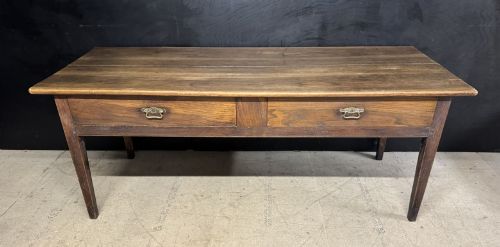
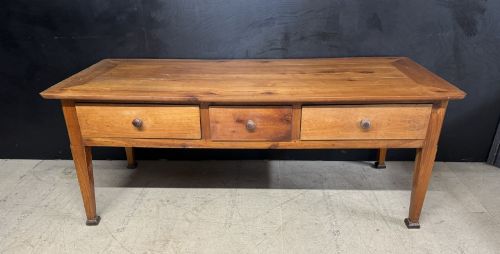
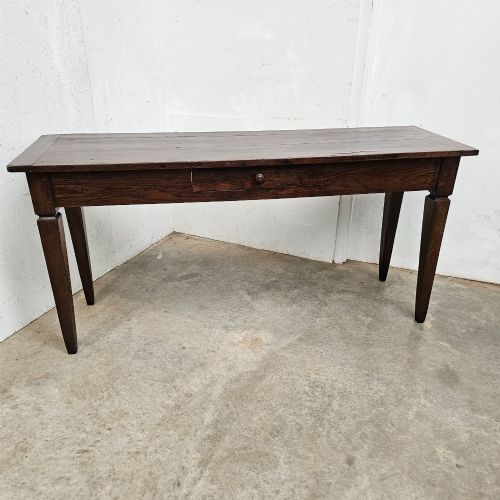
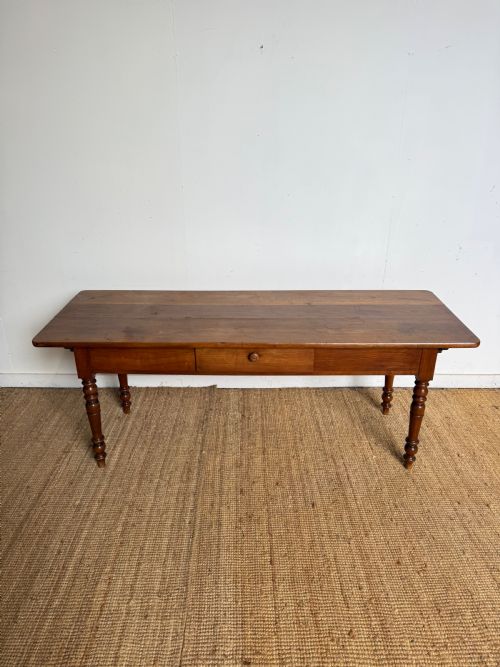
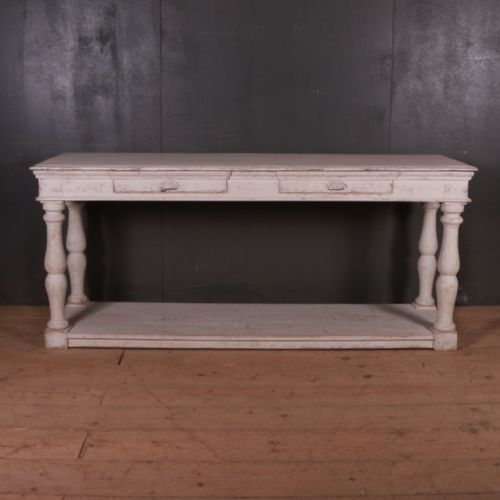
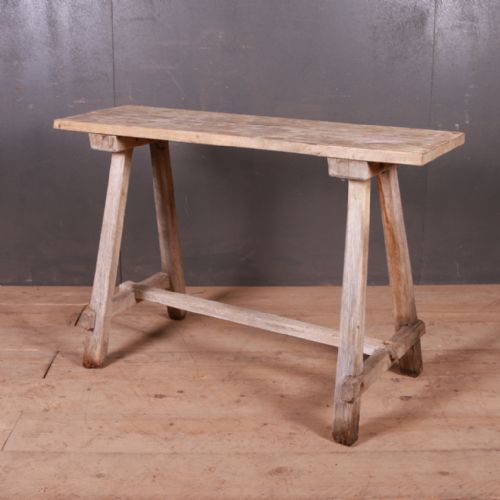
While the listings show various console tables, serving tables, trestle tables, and benches alongside seating, the core aesthetic remains rooted in provincial utility.
Materials and construction methods
Construction relies heavily on regional hardwoods and softwoods including oak, pine, cherrywood, walnut, and general timber.
Surfaces frequently display applied paint finishes or bleached treatments, paired with rough-woven hessian for upholstery where applicable.
Judging quality and merit
Quality rests upon the integrity of the timber frame and the honesty of any surface finish, whether original paint or stripped oak.
Proportion and structural balance separate simpler utilitarian benches and tables from more resolved seating forms.
The Rustic French Provincial Sofa Glossary
- Hessian
- A coarse woven fabric typically made from jute or hemp fibres, frequently utilised for traditional upholstery and webbing.
- Bleached oak
- Timber treated to lighten its natural tone, a finish commonly seen on nineteenth-century French furniture.
- Trestle
- A structural support consisting of a horizontal beam fixed to two splayed legs, used across various French tables.
- Console table
- A wall-fixed or freestanding table designed for narrow spaces, appearing frequently in provincial interiors.
Rustic French Provincial Sofa: Frequently Asked Questions
What is a rustic french provincial sofa?
It is a traditional country seating piece originating from provincial France, built for everyday use.
These items rely on solid timber construction and simple upholstery materials like hessian.
How old are these pieces?
The available pieces date primarily from the nineteenth century, with some examples from nineteen-twenty.
Construction styles and timber choices reflect the prevailing methods of these periods.
What woods were used?
Makers utilised regional timbers including oak, pine, cherrywood, walnut, and general fruitwoods.
Surfaces were often painted, bleached, or left in the natural grain depending on the workshop.
How do I clean painted wood?
Maintain painted surfaces by dusting gently with a dry microfibre cloth.
Avoid chemical cleaning agents that might lift or damage historical paint layers.