



Rustic Elm Chest
A rustic elm chest offers honest country storage built from tough native timber to last generations.
Rustic Elm Chest
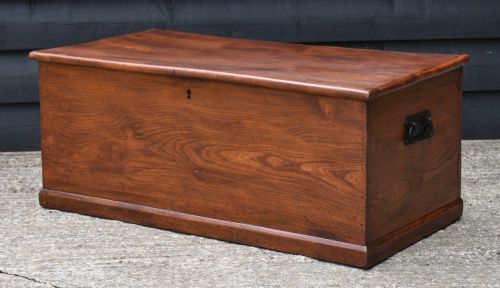
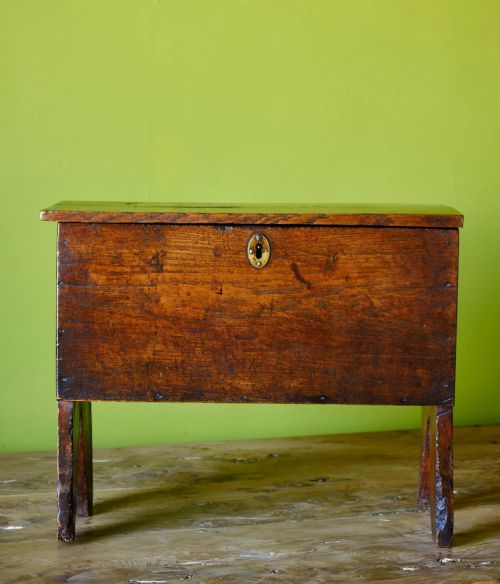
A rustic elm chest brings utilitarian country charm into modern interiors through solid timber construction and straightforward storage forms. Buyers searching for a rustic elm chest typically encounter traditional blanket boxes, blanket chests, dough bins, and six-plank coffers from the eighteenth and nineteenth centuries.
The pieces listed on this page showcase vernacular English and French provincial styles designed for practical domestic use. Most examples rely on heavy planks of elm, often joined with iron or brass hardware, reflecting the straightforward needs of past households.
Forms range from simple carpenter toolboxes and small toy boxes to large storage coffers with iron bound edges. The material itself provides a distinctive grain pattern that defines the visual character of these utility pieces.
How they were made
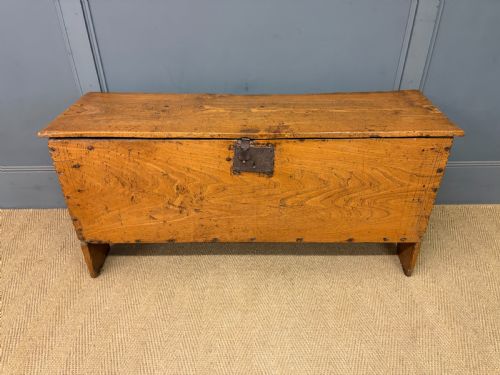
Maker construction methods depend on solid timber boards joined plainly, particularly in the six-plank coffer format where vertical ends support the base and lid. Elm provides a tough, twisting grain that resists splitting, making it an ideal choice for heavy-use domestic furniture.
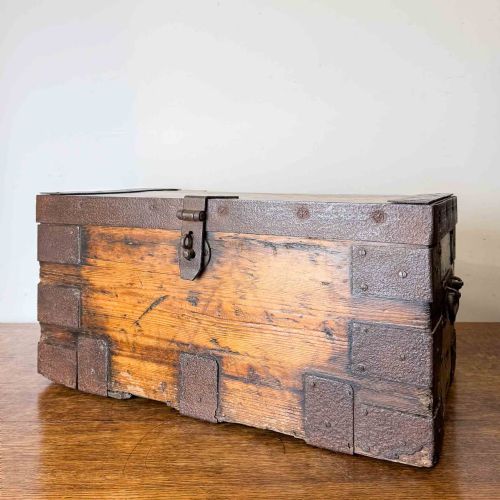
Metal reinforcement frequently appears on these storage pieces to secure corners and lids against hard wear. Wrought iron strap hinges, heavy hasps, and carrying hoops appear alongside brass elements on stronger boxes and trunks.
Rustic Elm Chest Retail Price Guide 2026
Typical asking prices for rustic elm chest among the pieces listed under this phrase on Sellingantiques today, from the lower quarter to the upper quarter. They describe what is for sale here now, not the wider market.
French cannonball boxes bring military utility into domestic spaces, fitted with heavy iron hoops for hauling heavy ammunition across past battlefields.
What varies in quality
Quality rests in the integrity of the original timber boards and the honesty of the construction rather than refined cabinetwork. Pieces retaining their original iron hardware, untouched surface patination, and uncompromised timber joints stand firmly at the top of the range.
Lesser examples show excessive timber replacement, lost ironwork, or heavy structural alterations that diminish the integrity of the piece. The character of the grain and the depth of the aged surface dictate visual distinction among similar functional forms.
The Rustic Elm Chest Glossary
- Elm
- A dense, tough native hardwood known for its interlocking grain and resistance to splitting. This timber forms the primary material for traditional country furniture and heavy storage boxes.
- Six-plank coffer
- A primitive chest constructed from six individual boards pinned together at the corners. This format represents one of the earliest and most direct methods of box making.
- Dough bin
- A specialised household trough used for mixing and proving bread dough. These utility containers often sit on raised legs and feature fitted lids.
- Hasps
- A slotted metal plate that fastens over a staple and is secured with a pin or padlock. This hardware keeps storage chests securely closed.
- Vernacular
- Architecture and furniture built by local craftsmen to meet everyday functional needs rather than following formal academic design rules.
Rustic Elm Chest: Frequently Asked Questions
What is an elm coffer?
An elm coffer is a traditional storage box constructed from native elm timber, typically used for keeping linens, blankets, or valuables. These pieces rely on simple plank construction and heavy lids.
They served as staple furniture in domestic spaces before fitted wardrobes and chests of drawers became common in ordinary households.
How old are these chests?
The available pieces span the eighteenth and nineteenth centuries, reflecting periods of traditional hand woodworking. Georgian examples date around eighteen hundred, while others belong to the broader nineteenth century.
Construction details and hardware styles help distinguish eighteenth-century vernacular work from later nineteenth-century utility boxes.
What did people store inside?
Households used these timber boxes to store textiles, woollen blankets, bedding, and personal garments away from dampness and pests. Specialised boxes also held tools, cannonballs, or bread dough.
Their robust construction made them suitable for moving heavy household goods or securing valuable items within the home.
How do I style one at home?
An antique elm chest functions well as a coffee table, hallway bench, or end-of-bed storage trunk. The natural grain and aged wood tone complement both modern and traditional interiors.
Keeping the surface clear allows the character of the timber and original ironwork to remain the focal point of the room.