




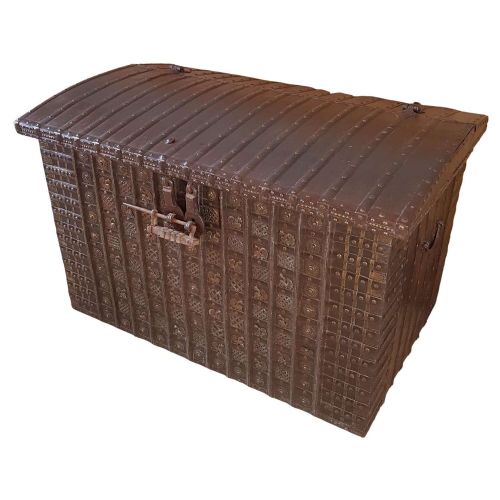


Rustic Dowry Chest
These rustic dowry chests are traditional storage pieces handed down through generations, offering sturdy utility and distinct regional character.
Rustic Dowry Chest
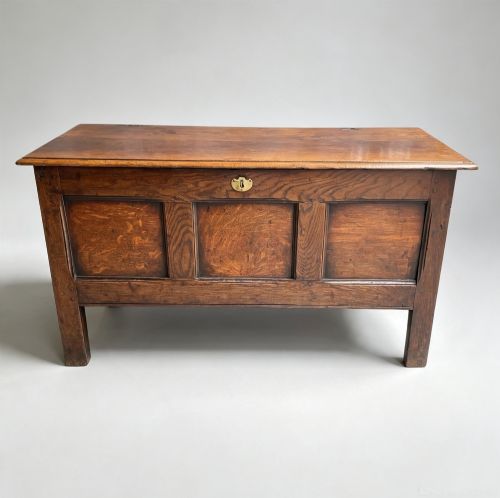
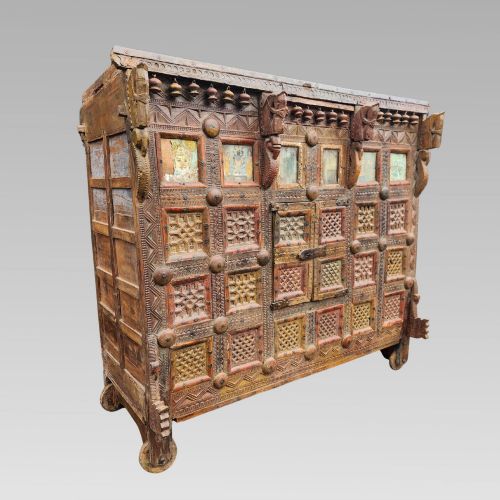
A rustic dowry chest combines practical storage with centuries of domestic history, appearing across European and Asian regional traditions. When you search for rustic dowry chest options on this page, you encounter forms ranging from heavy British oak coffers to painted Scandinavian marriage trunks and carved Indian damchiyas.
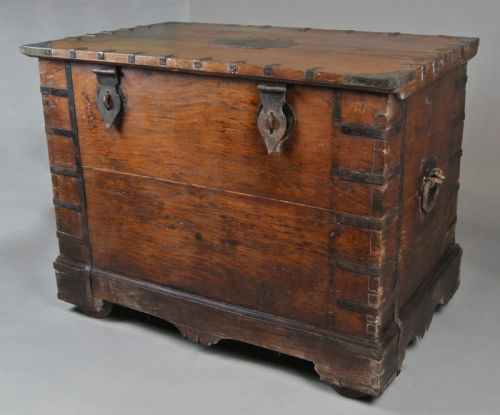
The British examples lean heavily on seventeenth and eighteenth century oak construction, whilst continental European pieces often display original painted finishes from the nineteenth century. Indian variants utilise durable teak augmented with heavy iron bands and locks, reflecting distinct cultural approaches to household preservation.
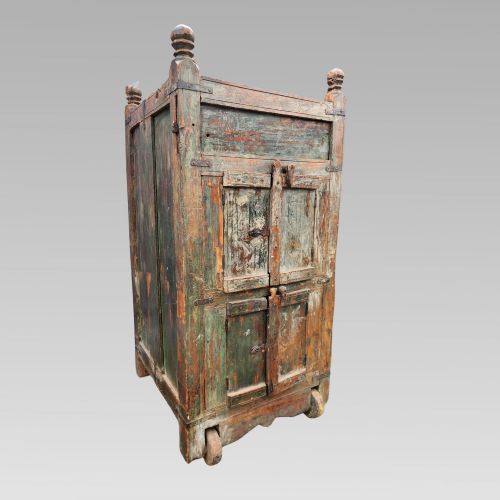
Formats shift between simple trunk shapes and more complex cabinetry like the storage cabinets and almirahs. Each regional variation tells a story of local craftsmanship, domestic storage needs, and traditional marriage customs.
Materials and construction methods
Carpenters relied on locally available hardwoods and softwoods, predominantly selecting oak, pine, and teak for their structural resilience. British and European pieces frequently employ solid oak or painted pine, while Indian items utilise dense teak suited to warmer climates.
Joinery methods varied by region, combining hand-carved panels, pegged joints, and scratch carving on older British coffers. Iron and wrought iron fastenings, hinges, and corner brackets provided necessary reinforcement for heavy travel and long-term domestic use.
Surface finishes range from the natural grain of waxed oak to elaborate hand-painted folk art scenes on Hungarian and Swedish marriage chests. Iron components often include functional padlocks and strap hinges that double as decorative elements.
Rustic Dowry Chest Retail Price Guide 2026
Typical asking prices for rustic dowry chest among the pieces listed under this phrase on Sellingantiques today, from the lower quarter to the upper quarter. They describe what is for sale here now, not the wider market.
The inventory encompasses British oak coffers, Indian teak damchiyas, and hand-painted Swedish and Hungarian marriage chests.
Distinguishing quality across pieces
The integrity of the original timber and the survival of early surfaces largely determine the standing of each piece. Untouched patination on an eighteenth century oak coffer or an intact original painted finish on a Victorian marriage box elevates the standing of the work.
The complexity of hand-carving and the robustness of metalwork hardware also set examples apart. Pieces retaining their original locks, iron banding, and hinges demonstrate superior preservation compared to those with modern replacements.
The Rustic Dowry Chest Glossary
- Coffer
- A large wooden box used for storing valuables, linen, or documents, often fitted with a hinged lid. They predate standard wardrobes and served as portable furniture.
- Scratch carving
- A primitive form of surface decoration created by scoring designs into the wood using a gouge or specialised tool. This technique appears frequently on seventeenth century British oak furniture.
- Marriage chest
- A specialised trunk commissioned or decorated to mark a wedding, used to transport the bride's household goods. They often feature painted motifs, dates, or initials specific to the union.
Rustic Dowry Chest: Frequently Asked Questions
What is a rustic dowry chest?
A rustic dowry chest is a traditional storage box created to hold household goods, linens, or valuables for a bride's new home. These items were made across various cultures using local woods and decorative techniques.
They function today as practical storage furniture that brings historical character and regional artistry into modern living spaces.
How were these chests used?
Families used these large trunks to store precious textiles, blankets, clothing, and legal documents safely away from dampness and pests. Their sturdy construction also allowed them to double as benches or tables during transit.
In contemporary homes, they serve equally well as blanket boxes at the foot of a bed or as coffee tables with internal storage.
How do I care for antique wood?
Maintain these wooden pieces by keeping them away from direct heat sources and fluctuating humidity levels to prevent the timber from splitting. Regular dusting with a soft cloth and occasional gentle waxing preserve the natural patina.
Avoid chemical polishes that can damage older painted or waxed surfaces over time.
How can I tell the age of a chest?
Dating relies on examining the construction methods, tool marks, joinery, and the type of timber used in the piece. Seventeenth century items often feature pegged frames and hand-hewn oak, while nineteenth century painted pieces show distinct regional folk art styles.
Original hardware like hand-forged iron hinges and locks also provide reliable clues to the period of manufacture.