



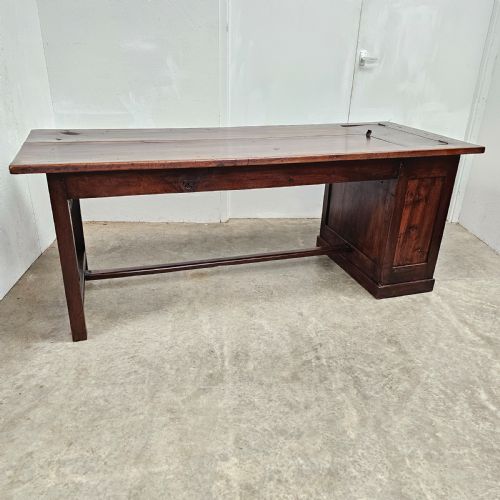

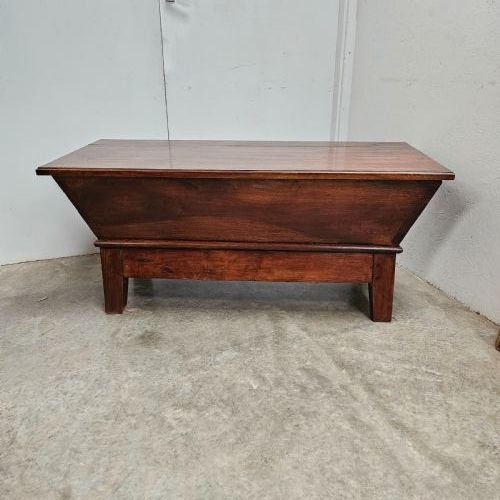


Rustic Dough Trough
These rustic dough trough pieces are utilitarian domestic wooden items valued for their honest craftsmanship and tactile domestic history.
Rustic Dough Trough
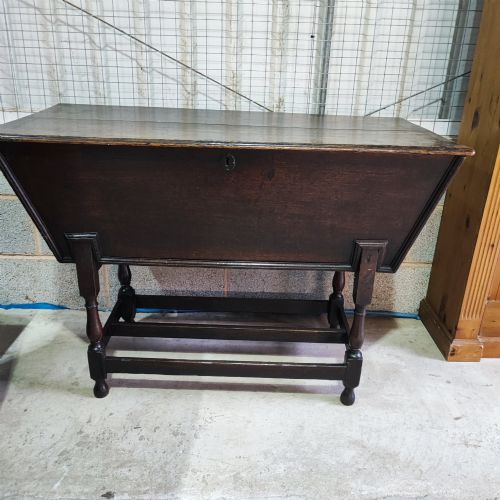
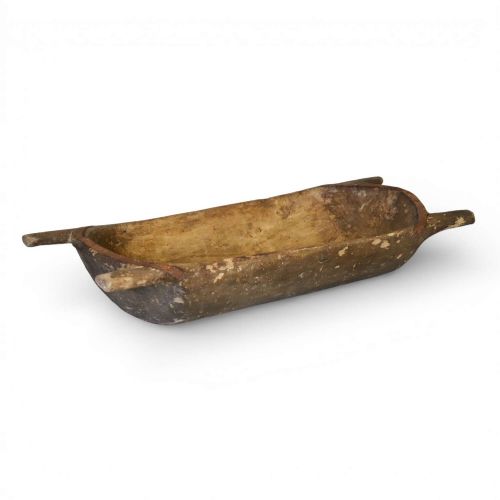
A rustic dough trough serves as a functional vessel for domestic bread preparation, encompassing forms such as dough bins, kneading bowls, and proofing boxes. The examples presented span periods from the 17th century through to the early 20th century, reflecting the longevity of this utilitarian household form.
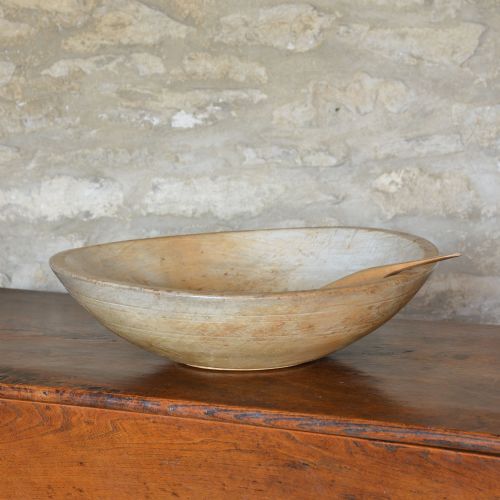
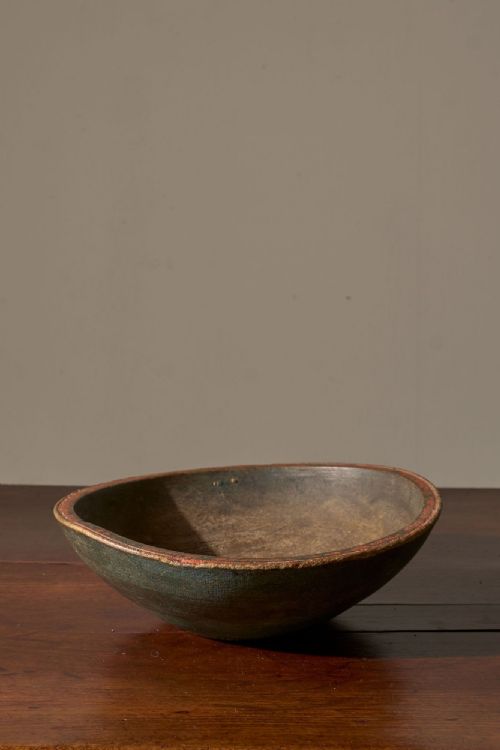
Buyers browsing this selection will frequently encounter solid wood storage bins and carved bowls originating from French, Swedish, and broader continental country traditions. These objects derive from vernacular domestic contexts where bread making required sturdy timber containers to rest and prove dough.
The material palette of these pieces relies heavily on regional domestic timbers, with elm, pine, walnut, and sycamore appearing regularly across the inventory. Surviving items often retain distinct regional stylistic traits, ranging from French provincial farmhouse forms to Scandinavian country designs.
How they were made
Makers constructed these troughs and bins using solid wood timbers, selecting durable regional hardwoods and softwoods such as oak, elm, walnut, and pine. Construction methods often involved heavy board assembly, joined to withstand the physical demands of kneading and dough preparation.
Many associated bowls and troughs are carved directly from a single block of timber, yielding dug-out forms with thick, organic walls. Surfaces frequently display the direct marks of hand tools, alongside historical painted finishes or warm natural patinas accumulated through decades of domestic use.
Rustic Dough Trough Retail Price Guide 2026
Typical asking prices for rustic dough trough among the pieces listed under this phrase on Sellingantiques today, from the lower quarter to the upper quarter. They describe what is for sale here now, not the wider market.
Some dough bins double as covert hiding spots for family secrets, having spent centuries moonlighting as casual hallway trunks.
What varies in quality
Quality in these utility pieces rests primarily in the integrity of the timber and the depth of the surface patina developed over centuries of handling. Examples retaining their original structural joinery and untouched surface texture stand apart from those altered or heavily restored over time.
The visual appeal depends on the balance between utilitarian function and the subtle evidence of hand shaping, such as tool marks left by the maker. Superior pieces exhibit a harmonious proportion and seasoned timber surfaces that speak clearly of their working origins.
The Rustic Dough Trough Glossary
- Dough bin
- A storage container designed specifically for holding and proving bread dough before baking. These pieces usually feature a lid and solid wooden sides.
- Patina
- The surface sheen and colour developed on wood over long periods through handling, light exposure, and natural oils. A rich patina indicates age and regular use.
- Vernacular
- Architecture or objects made by traditional craftspeople to local requirements using local materials, without academic design input. Country furniture falls firmly into this tradition.
- Treen
- Small handmade wooden domestic utensils and household objects. The term encompasses bowls, spoons, and troughs made before the era of mass production.
Rustic Dough Trough: Frequently Asked Questions
How do I care for antique wooden dough bins?
Keep these pieces away from direct heat sources and drastic humidity changes to prevent the solid wood from splitting.
Apply occasional natural wax to nourish the dry timber and maintain the historical surface finish without stripping its character.
How can I tell the age of a dough trough?
Dating relies on examining the tool marks, construction methods, timber species, and the natural wear visible on the wood.
Earlier examples from the 17th and 18th centuries often display hand-hewn surfaces and pegged joinery distinct from later production.
What woods were commonly used for these troughs?
Makers selected local timber species that were readily available and durable enough to withstand daily kitchen tasks.
Common materials found in these pieces include oak, elm, walnut, pine, and sycamore.