


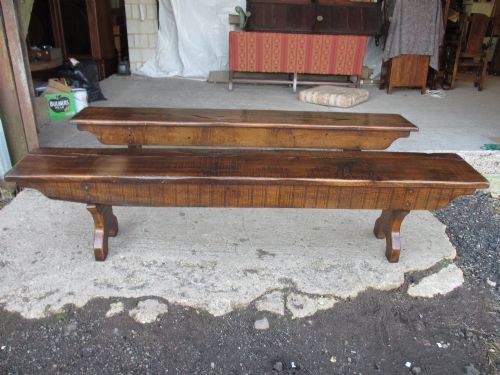
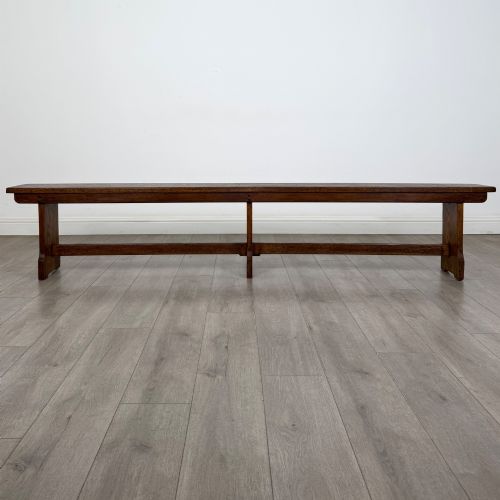
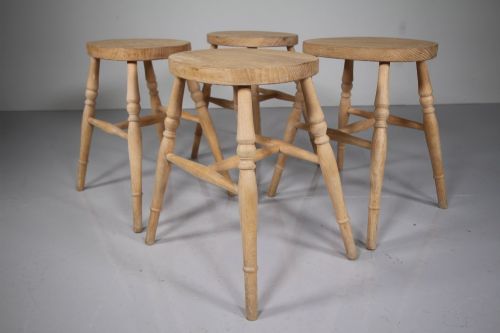
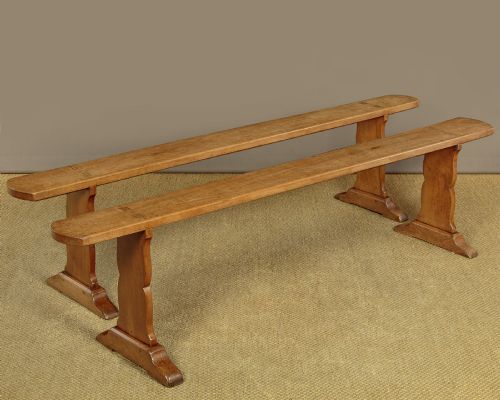
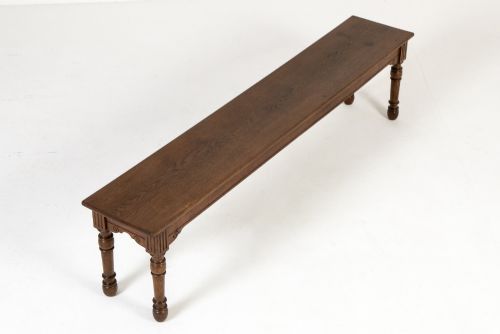
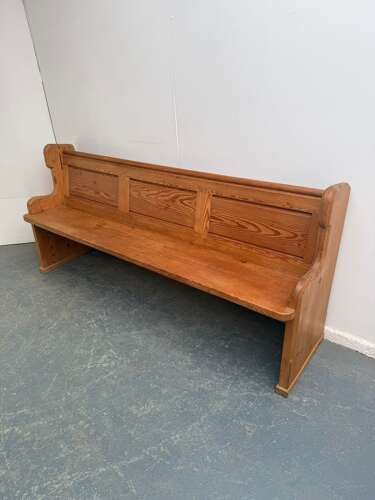
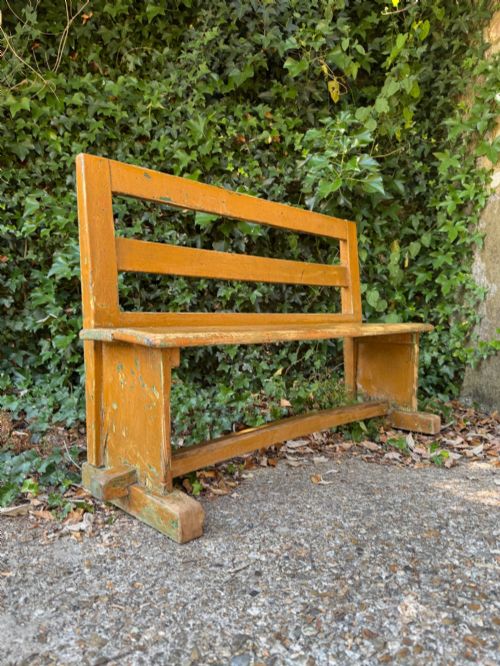
Rustic Dining Benches
These rustic dining benches bring solid timber construction and honest vernacular styles straight into modern spaces.
Rustic Dining Benches
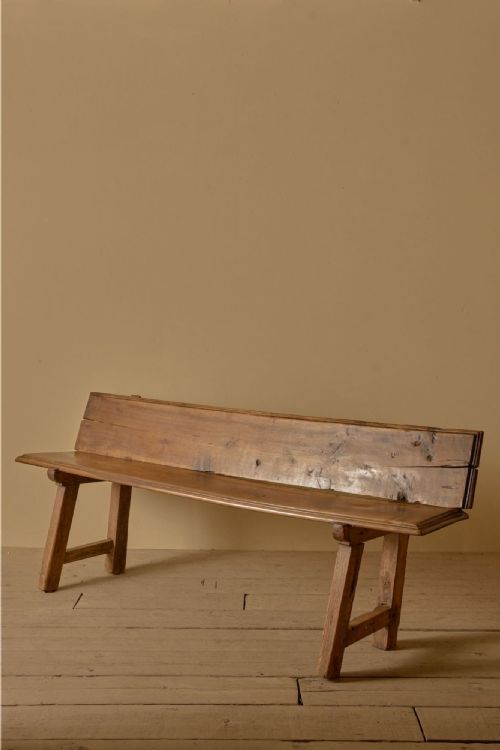
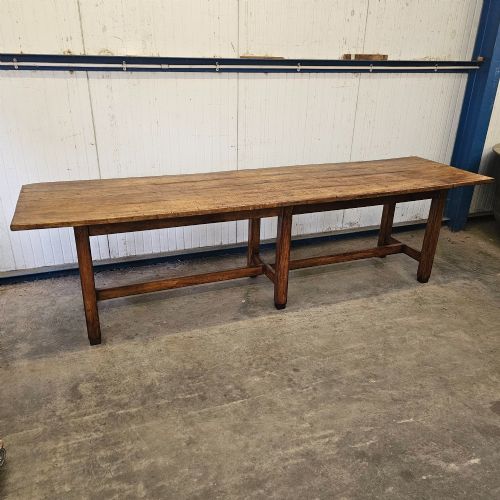
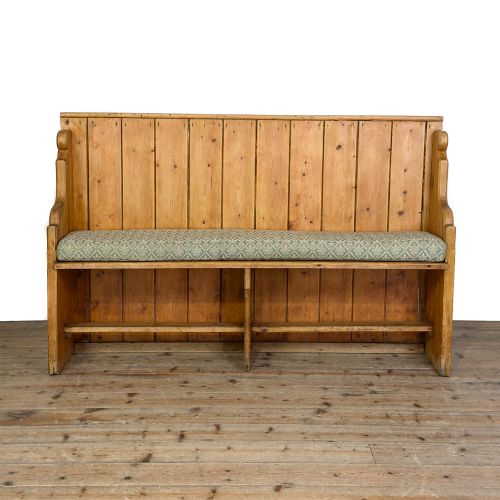
Rustic dining benches are long, sturdy seats built to serve around communal dining tables or within domestic halls, taverns, and churches. When searching for rustic dining benches, a buyer encounters everything from simple school seating to heavy oak refectory examples.
The pieces appearing on this page span several centuries, with nineteenth-century pine and oak items forming the core of the selection. Alongside these sit earlier eighteenth-century Welsh and Spanish designs, plus early twentieth-century French and Scandinavian variations.
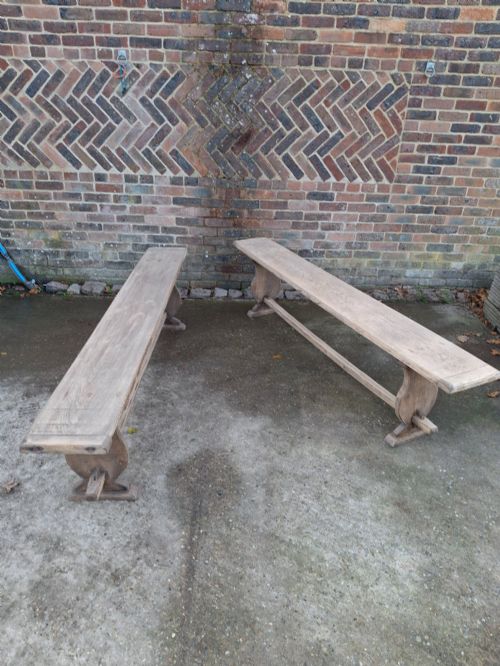
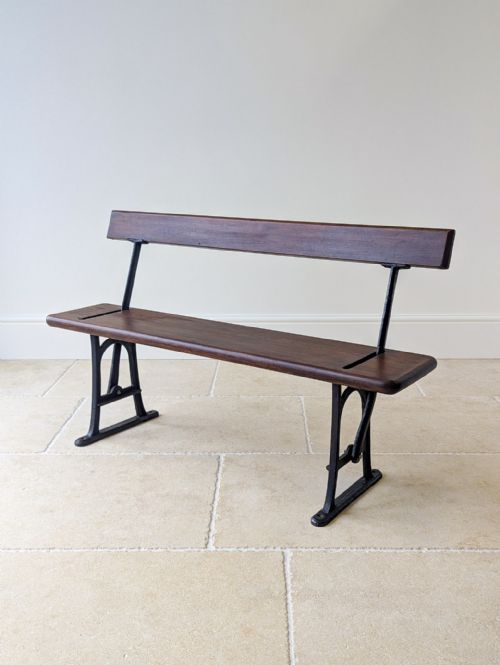
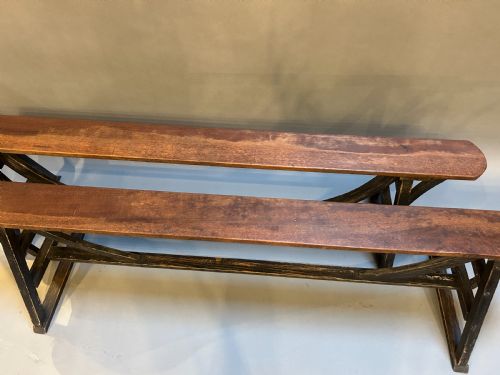
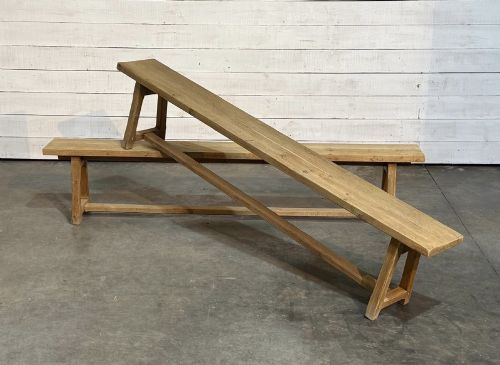
Forms range from single church pews and tavern benches to matched pairs of plank or joint benches. Shaper trestle ends and simple turned legs appear frequently across the regional English, French, and Swedish styles.
Materials and Construction
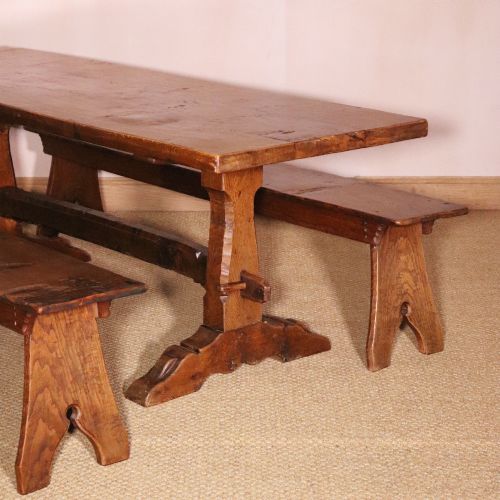
Makers relied on durable domestic timbers such as oak, pine, elm, and cherrywood to construct these long seats. Solid timber boards formed the tops, often supported by heavy trestle ends or pegged joints designed to withstand daily community use.
Surface treatments remain straightforward, relying on natural wax, historic painted finishes, or bleached patinas. Joinery techniques prioritize structural strength, utilising pegged mortise and tenon joints rather than complex hidden fastenings.
Rustic Dining Benches Retail Price Guide 2026
Typical asking prices for rustic dining benches among the pieces listed under this phrase on Sellingantiques today, from the lower quarter to the upper quarter. They describe what is for sale here now, not the wider market.
Some benches carry the quiet ink stains of old schoolrooms or the polished indentations of communal dining halls.
Assessing Quality
Quality rests primarily in the integrity of the timber and the honesty of the construction. Pieces retaining their original surface finish, whether waxed pine or patinated oak, hold greater character than those stripped down or heavily modernised.
Proportion and scale dictate the success of a bench, particularly in longer lengths where stability is essential. Well-balanced trestle supports and sound structural joinery separate robust everyday seating from compromised examples.
Jack Grimble
The Rustic Dining Benches Glossary
- Refectory bench
- A long, narrow bench traditionally used alongside a refectory table for communal dining. These pieces often feature sturdy oak construction and stretcher bases.
- Trestle ends
- Support structures positioned at either end of a bench rather than standard four-legged corners. This design offers maximum legroom along the length of the seat.
- Joint bench
- A piece of seating constructed using traditional mortise and tenon joints secured with wooden pegs. This method provides robust rigidity without metal fixings.
- Patina
- The deep surface sheen and colour developed by timber over centuries of handling, cleaning, and exposure to light. It signals age and authenticity.
- Plank top
- A seat surface constructed from solid boards joined edge to edge. These boards display the natural grain and growth rings of the tree.
Rustic Dining Benches: Frequently Asked Questions
How do I choose the right length?
Measure your dining table and allow sufficient clearance at both ends so the bench slides neatly underneath when not in use. Longer examples need adequate space around them to maintain proper room flow.
Consider the number of daily diners you accommodate and whether you prefer a single long seat or a matched pair of shorter benches.
Are these benches stable enough for daily use?
Most of these historic pieces were built for rigorous institutional or domestic service, utilising solid timbers and pegged joinery. They are designed to withstand regular weight and movement.
Checking the rigidity of the joints and the flatness of the seat boards ensures the bench remains dependable for modern family dining.
How should I care for waxed timber?
Maintain the finish by applying a traditional beeswax paste periodically and buffing it with a soft cloth to nourish the wood. Avoid placing wooden benches near direct heat sources or damp areas.
Quickly wipe away liquid spills to prevent water marks from penetrating the historic grain and patina.
Can I mix these with modern tables?
The varied tones of aged oak, pine, and fruitwood pair comfortably with contemporary dining tables. The contrast between sleek modern lines and weathered timber adds character to a room.
Pay attention to seat heights relative to your table frame to ensure comfortable leg clearance during meals.