



Rustic Country Milking Stool
A rustic country milking stool brings tactile simplicity to a room, offering honest vernacular utility shaped by generations of domestic and agricultural use.
Rustic Country Milking Stool
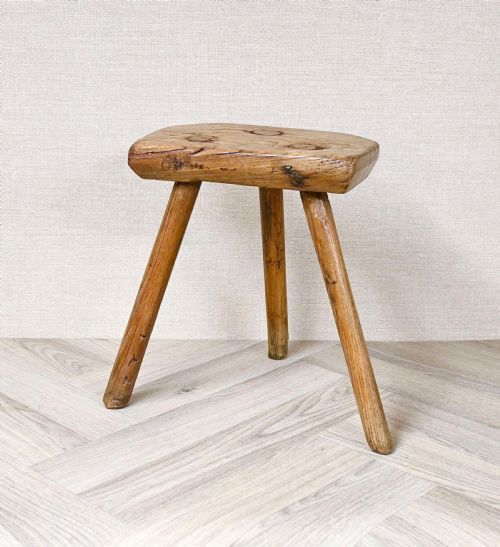
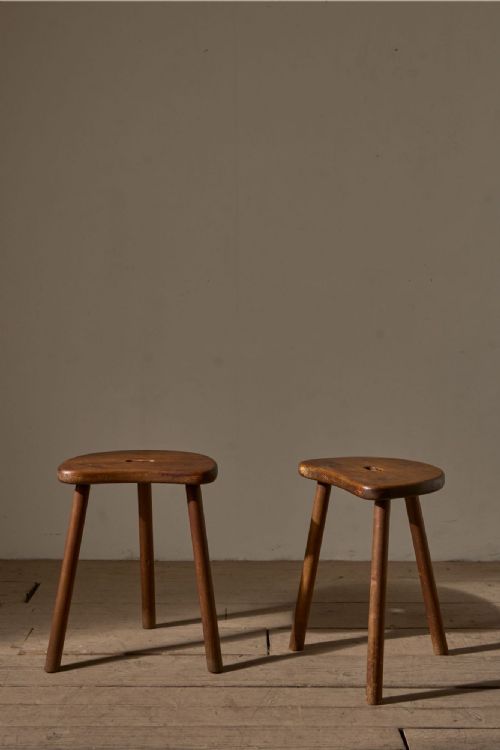
A rustic country milking stool is a low, unpretentious seat designed for practical tasks, appearing across periods from the eighteenth century through the Victorian era. These pieces draw attention through their straightforward construction and honest purpose, serving equally well today as small side tables or low seats.
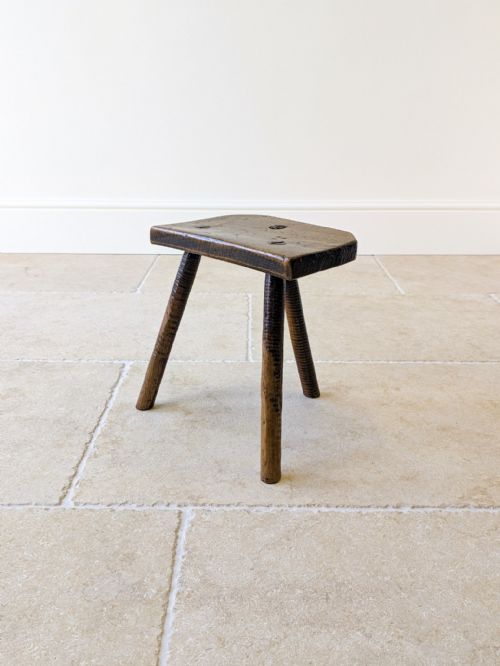
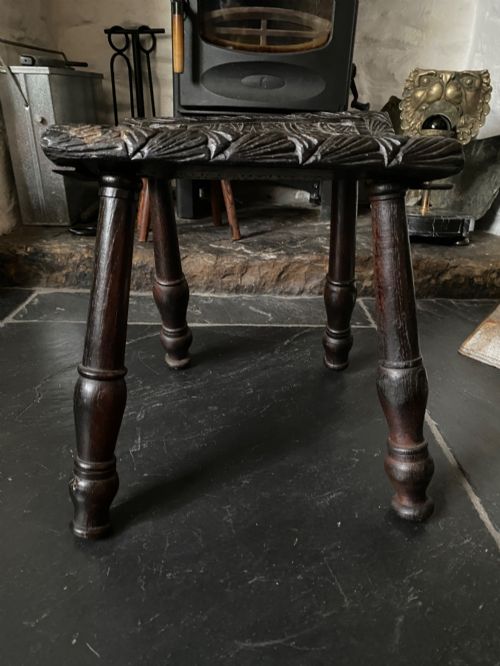
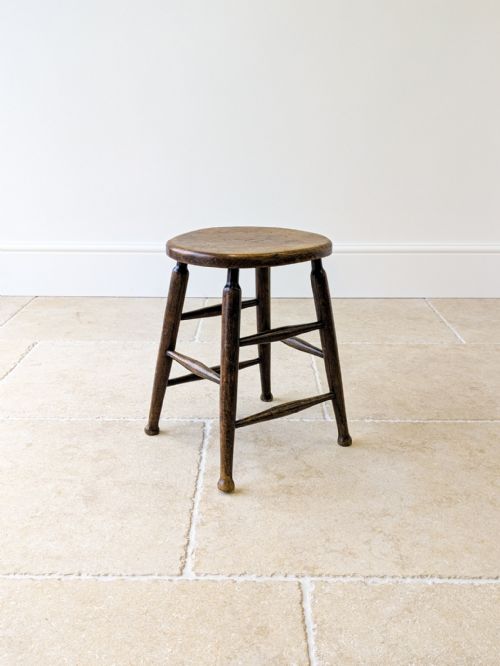
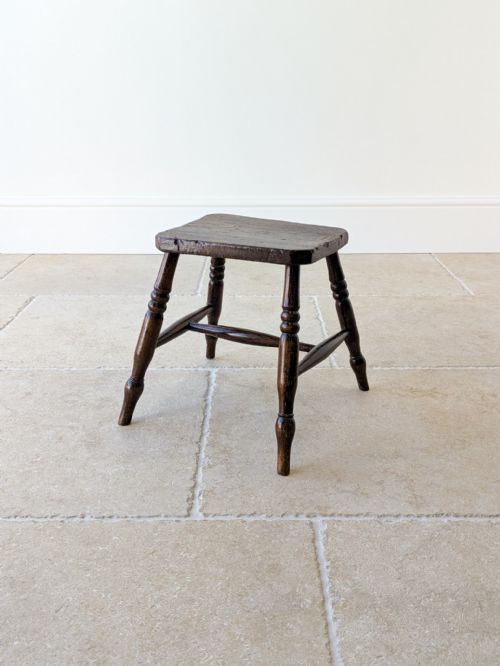
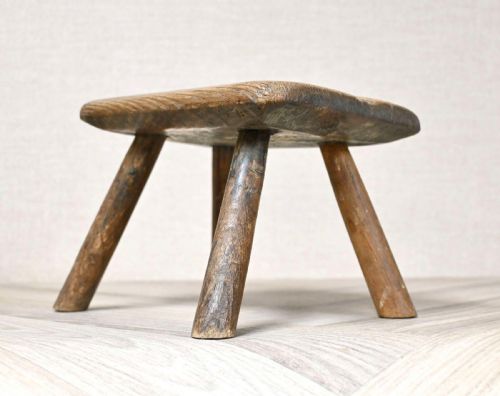
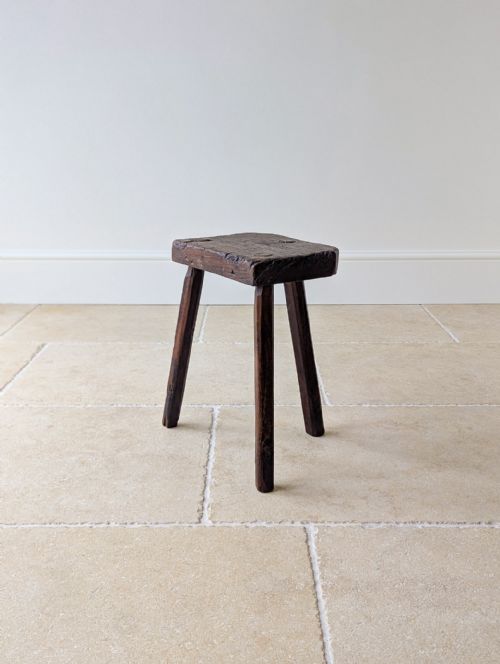
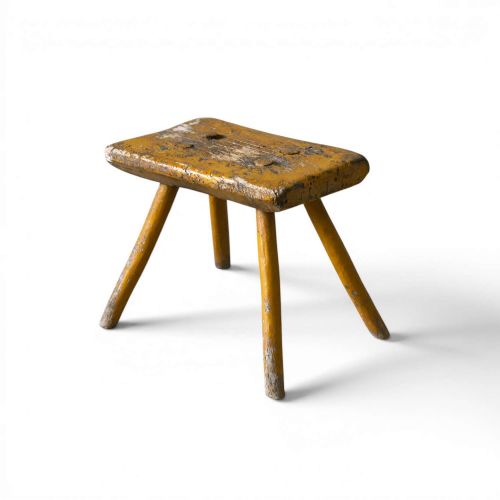
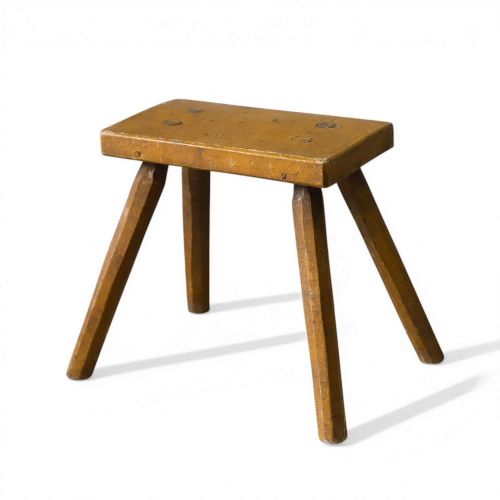
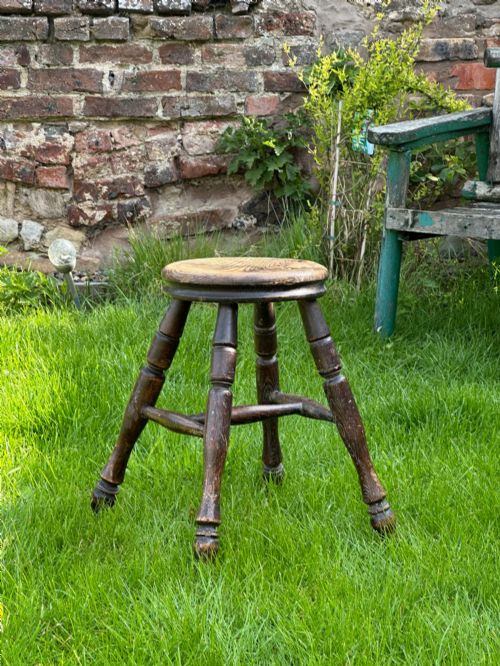
You will most commonly meet nineteenth-century examples fashioned in elm, ash, and oak, often featuring three splayed legs driven directly into the underside of the seat. The forms vary from simple oval and round tops to diminutive child-sized seats and specialised variants like jeweller or cutler stools.
The aesthetic is resolutely utilitarian, reflecting regional vernacular traditions across England, France, and Eastern Europe. Buyers search for this phrase to introduce organic warmth and tactile history into contemporary interiors without fuss.
Materials and construction methods
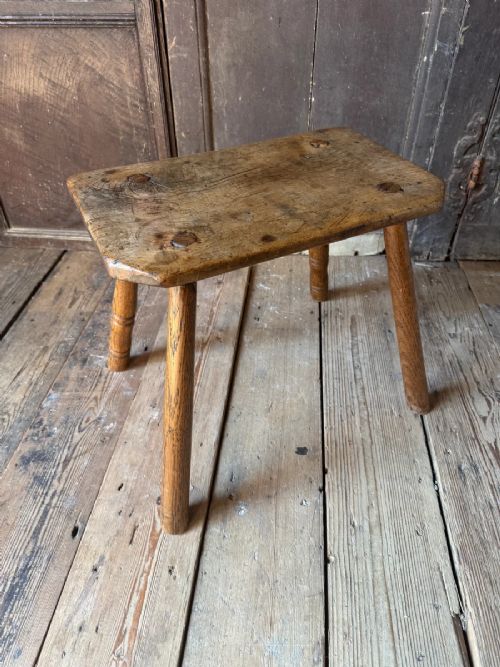
Makers relied on locally available timber such as elm for tough, crack-resistant seats, paired with ash or oak for sturdy turned or shaved legs. These woods were chosen strictly for durability and load-bearing strength under daily workshop or farm conditions.
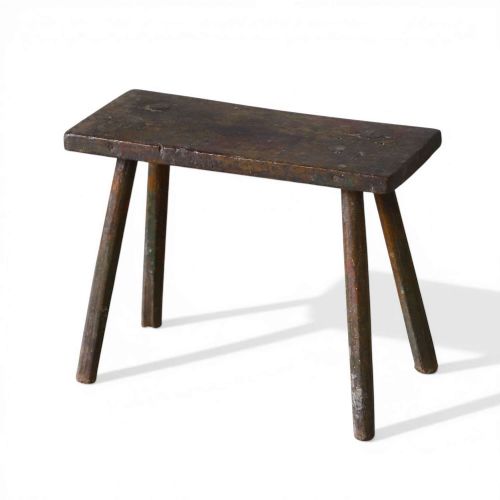
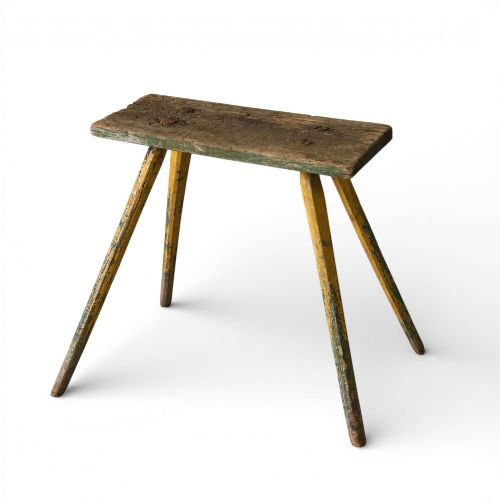
Construction typically involved wedged tenons or simple pegged joints, where legs were inserted into bored holes through the seat top and secured with glued wedges. Blacksmith repairs and original surface treatments, including historical ochre, green, yellow, or black paint, frequently survive to tell the tale of active working lives.
Rustic Country Milking Stool Retail Price Guide 2026
Typical asking prices for rustic country milking stool among the pieces listed under this phrase on Sellingantiques today, from the lower quarter to the upper quarter. They describe what is for sale here now, not the wider market.
Assessing quality and character
Quality in a rustic country milking stool rests upon the integrity of the timber and the balance of proportions rather than refined cabinetmaking. A strong silhouette with well-splayed hedgerow legs creates visual stability and speaks to thoughtful domestic craftsmanship.
Surviving original paint finishes or untouched surfaces with deep patination elevate an example far above stripped or over-restored counterparts. The presence of authentic working alterations, such as blacksmith brackets or historic repairs, adds depth of character rather than diminishing value.
The Rustic Country Milking Stool Glossary
- Vernacular
- Everyday objects made by local tradesmen or agricultural workers using regional materials and traditional designs. These pieces prioritize function over academic style.
- Splayed legs
- Legs angled outwards from the centre to provide a stable, non-rocking stance on uneven earthen or timber floors. This geometry is essential for three-legged seating.
- Plank stool
- A primitive seating form constructed from joined solid timber boards rather than framed components. Pegged construction often holds the boards rigidly together.
- Pegged construction
- A traditional method of joining woodwork using wooden dowels or pins instead of metal fasteners. This allows timber to expand and contract naturally with seasonal humidity.
- Patina
- The surface sheen and colour developed over decades through handling, waxing, and exposure to light. It serves as a visual record of age and use.
Rustic Country Milking Stool: Frequently Asked Questions
What is a rustic country milking stool?
A rustic country milking stool is a small, functional seat historically used for farm labour or domestic chores. They are characterised by sturdy wooden construction, often featuring three splayed legs and simple solid timber tops.
Today, these objects are collected for their primitive aesthetic and sculptural forms. They fit easily into modern spaces as decorative accents or low display surfaces.
How were three-legged stools used?
Three-legged milking stools were designed to remain steady on uneven stone or dirt floors found in barns and dairies. The tripod base naturally adjusts to surface irregularities without wobbling.
Beyond agricultural tasks, similar small stools served hearthside duties or provided low seating for children and craftsmen. Their portability made them indispensable items around the home.
How do I date a country stool?
Dating relies on observing tool marks, wood species, and construction techniques like pegged joints or blacksmith repairs. Eighteenth-century examples often display adzed surfaces and primitive shaping, whereas Victorian versions can show finer lathe turning.
Surface treatments also offer clues, as surviving historical paint finishes or dry, untouched patina indicate considerable age. Comparing the joinery style to dated vernacular pieces helps narrow down the decade of origin.
How should I care for old timber?
Keep wooden stools away from direct heat sources and extreme humidity fluctuations to prevent the timber from splitting. Applying a light coat of natural beeswax helps nourish dry wood and maintain the surface sheen.
Avoid aggressive cleaning or stripping away original patination and paint. Gentle dusting with a dry cloth is all that is required to preserve the historic finish.