
Rustic Country Buffet
A rustic country buffet brings honest utility and vernacular character to an interior, built for storage and display in farmhouse kitchens and hallways.
Rustic Country Buffet
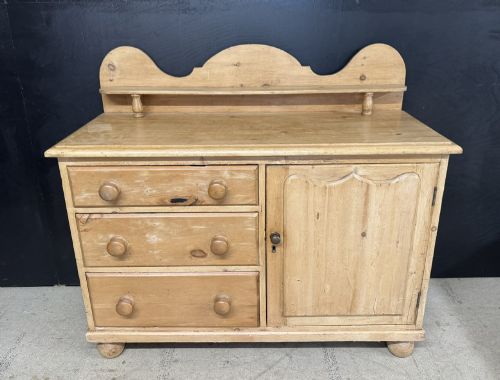
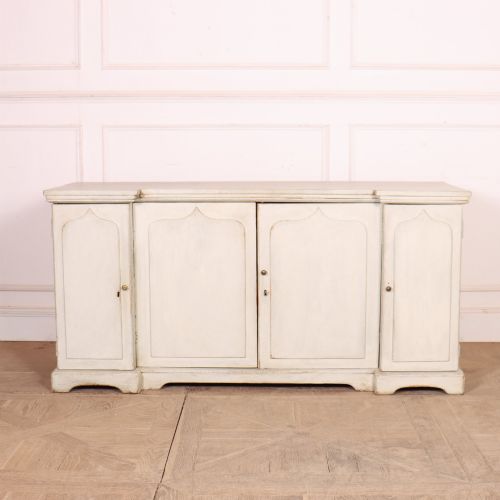
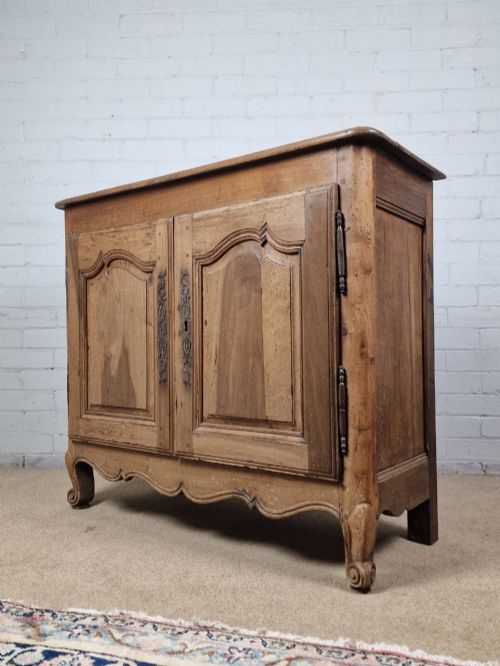
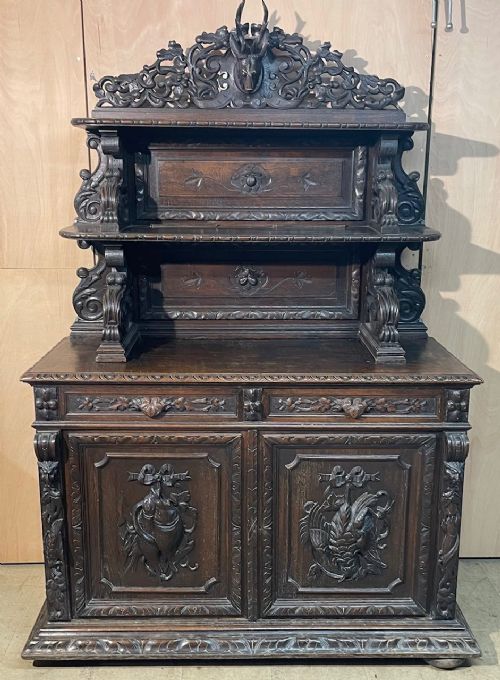
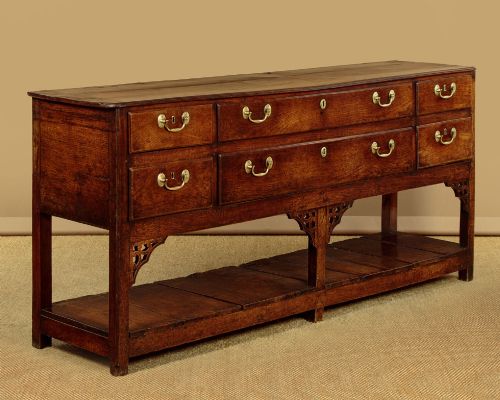
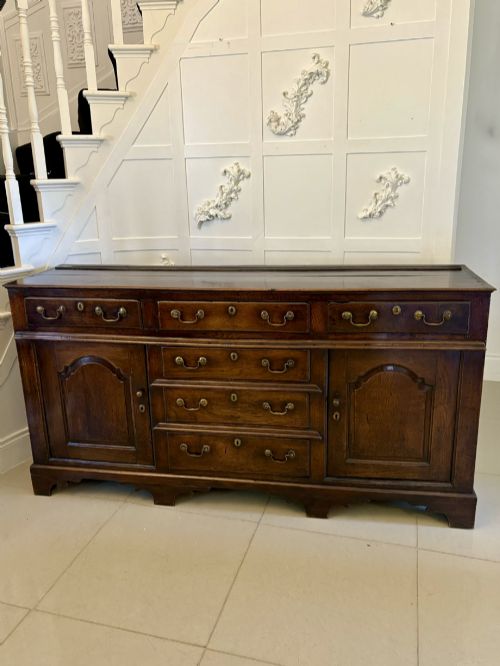
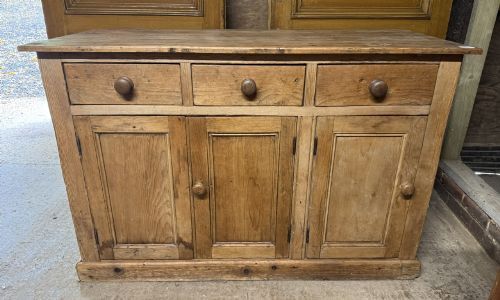
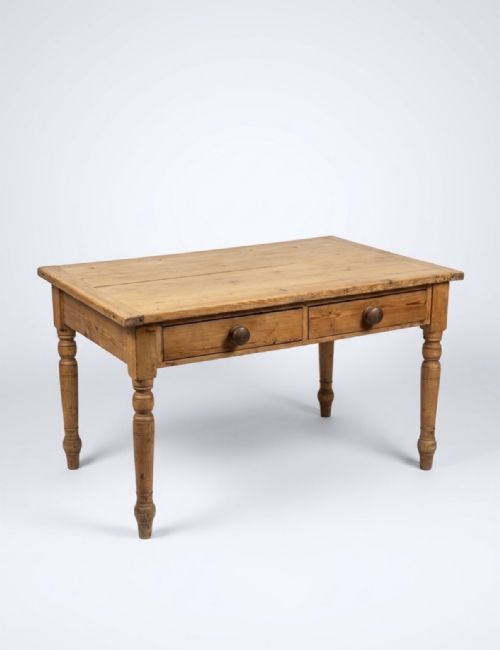
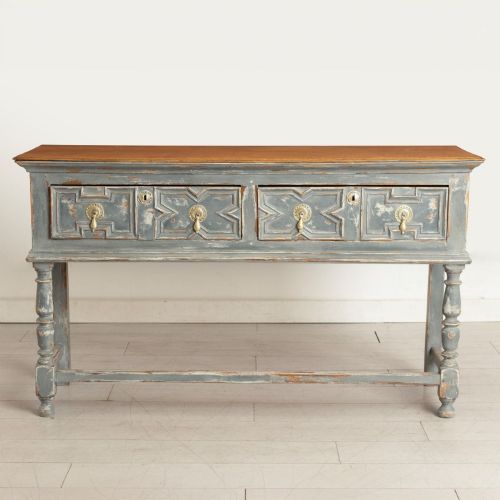
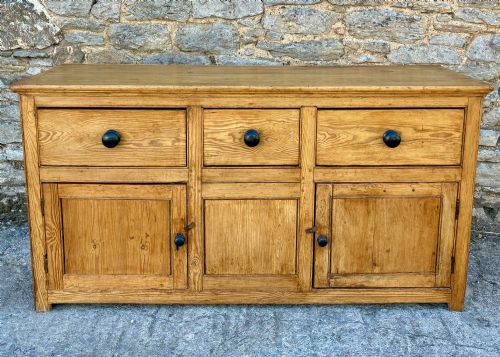
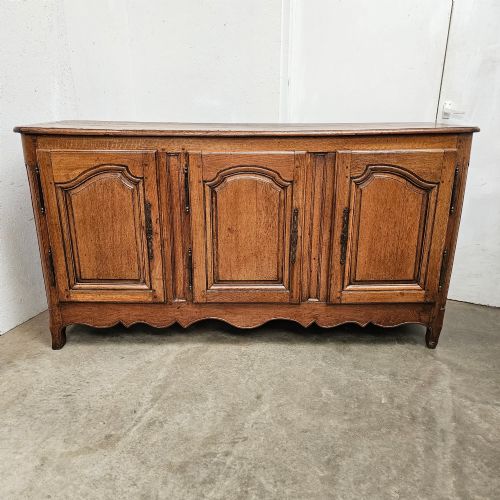
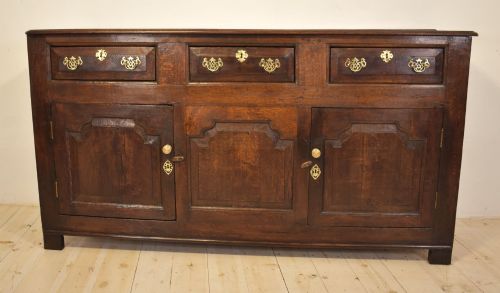
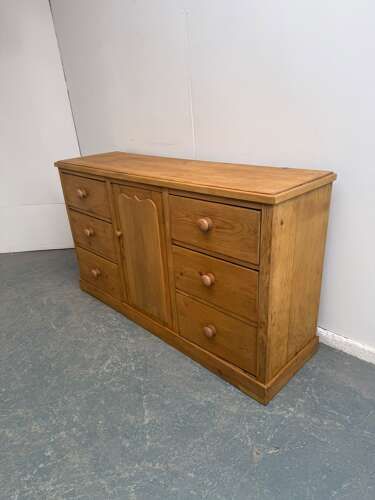
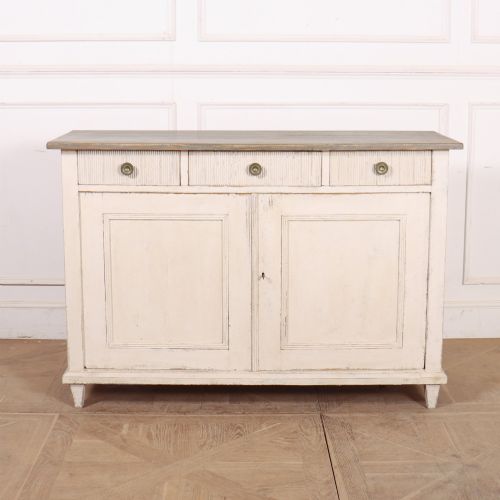
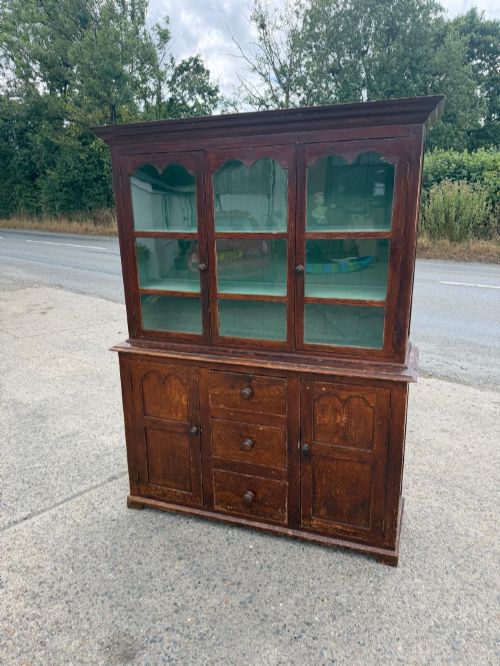
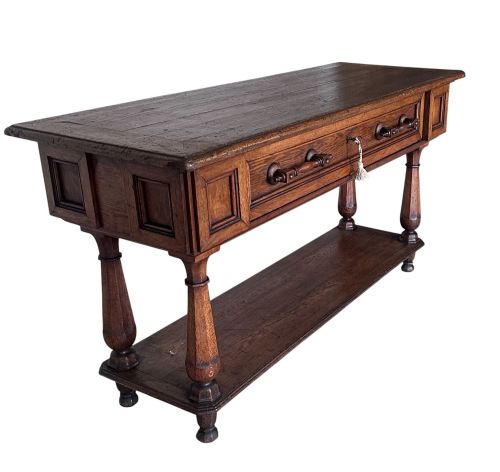
When you search for a rustic country buffet, you encounter sturdy storage pieces designed for domestic utility rather than formal parlour display. The selection here spans functional forms such as dresser bases, sideboards, cupboards, and serving tables originating from English, French, and Scandinavian workshops.
The most common forms on this page are oak and pine dresser bases, alongside French provincial enfilades and cupboards dating from the eighteenth and nineteenth centuries. These items reflect regional traditions, utilising local timbers to create practical furniture for storing tableware, linens, and provisions.
Makers constructed these pieces for daily use in country houses, farmhouses, and school rooms, resulting in honest proportions and robust framing. Regional variations emerge clearly, from Welsh potboard bases to French fruitwood house maid cupboards and painted Scandinavian storage units.
How they were made
Cabinet makers built these pieces using solid timbers such as oak, pine, and fruitwood, joined with traditional framing methods suited to heavy daily work. Surfaces often retain original paint finishes, wax treatments, or bleached patinas developed over centuries of domestic service.
Hardware typically consists of forged iron and brass fixtures, including hinges and drawer pulls that secure heavy doors and deep drawers. Potboards, breakfront drawers, and marble tops appear on select regional examples, adding specific functional utility to the basic carcase.
Several items survive as untouched barn finds complete with layers of historic farm paint.
What varies in quality
The distinction between ordinary and superior pieces rests upon the integrity of the timber and the preservation of original surfaces. Pieces retaining their early paint or untouched waxed patinas hold greater historical interest than those stripped down or heavily altered over time.
Structural honesty and regional characteristics also define quality, with well-proportioned mouldings, original ironwork, and tight joinery elevating a piece above utility work. The balance between practical survival and original form determines the standing of each item.
The Rustic Country Buffet Glossary
- Dresser base
- The lower section of a kitchen dresser, typically containing drawers and cupboards beneath a flat top surface used for food preparation and serving.
- Potboard
- An open slatted lower shelf fitted between the legs of a dresser base, traditionally used for storing heavy pots and pans.
- Enfilade
- A long sideboard or buffet featuring multiple doors in a linear arrangement, common in French provincial dining rooms and hallways.
- Welsh dresser
- A traditional storage unit featuring a base of drawers and cupboards, often surmounted by open plate racks for display.
- Pitch pine
- A resinous, durable softwood harvested extensively during the nineteenth century, known for distinct grain patterns and robust utility.
Rustic Country Buffet: Frequently Asked Questions
What is a country buffet used for?
These pieces provide substantial storage for tableware, linens, and provisions while offering a flat surface for serving food or displaying objects. They function effectively in kitchens, dining rooms, and hallways as practical anchor furniture.
Their sturdy construction allows them to bear heavy loads, continuing the domestic storage role for which rural cabinet makers originally designed them.
How do I care for waxed pine furniture?
Maintain waxed pine surfaces by dusting regularly with a dry cloth and applying a traditional beeswax polish when the timber appears dry. Avoid placing these pieces near direct heat sources to prevent the wood from splitting.
Gentle application of wax preserves the patina and protects the softwood from moisture marks acquired during everyday kitchen use.
How do I distinguish eighteenth and nineteenth century pieces?
Eighteenth-century pieces typically feature hand-sawn timbers, pegged joinery, and deeper patinas developed through generations of domestic use. Nineteenth-century examples often incorporate machine-sawn elements and standardised hardware while maintaining regional forms.
Examining the drawer construction, backboards, and tool marks helps determine the approximate period of manufacture.
Where were these buffets originally made?
Regional cabinet makers built these items across rural Britain, France, and Scandinavia, utilising locally available trees such as oak, pine, and fruitwood. Each region developed distinct proportions and decorative details.
English workshops favoured oak and pine for utilitarian dresser bases, while French and Scandinavian makers produced painted cupboards and fruitwood enfilades.