



Rustic Copper Tub
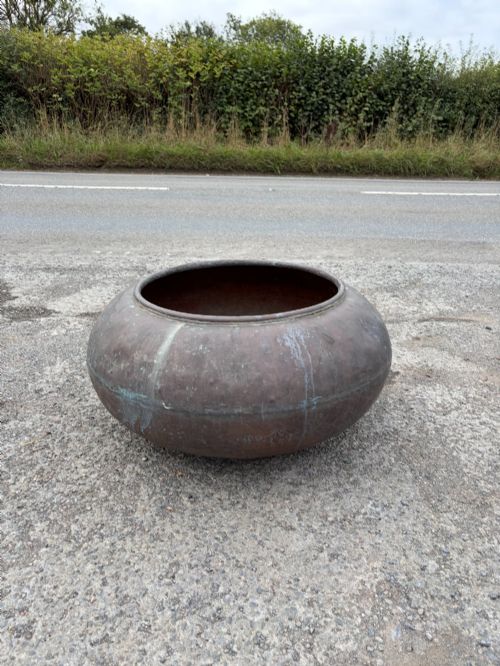
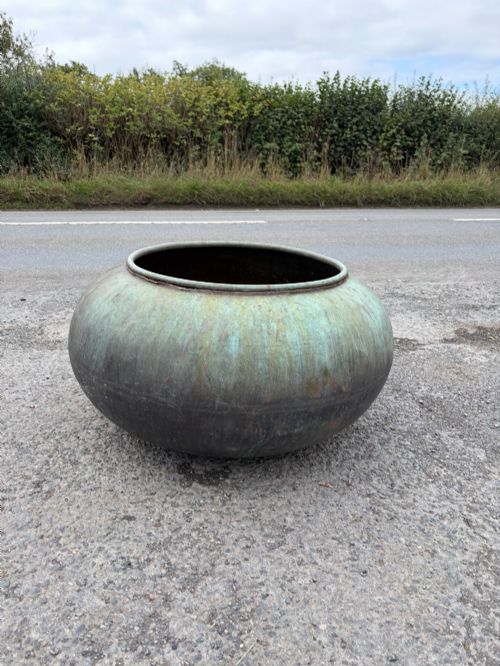
A rustic copper tub brings tactile warmth and industrial history into a room, serving as a robust container for logs or plants.
Rustic Copper Tub
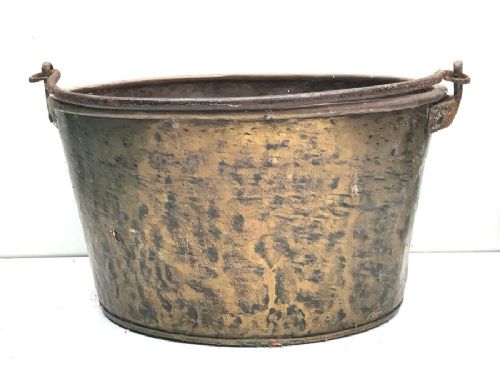
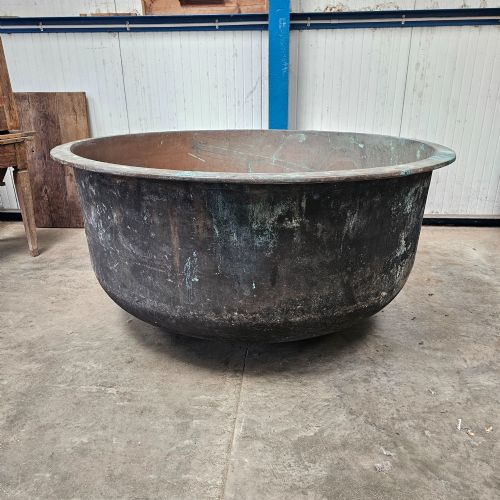
A rustic copper tub encompasses heavy utility vessels, cheese vats, cauldrons, wash tubs, and boiling pans originating from the eighteenth, nineteenth, and early twentieth centuries. These pieces typically display utilitarian forms fashioned for demanding domestic or agricultural work rather than delicate display.
Buyers seeking a rustic copper tub on this page most frequently encounter large nineteenth-century examples adapted for use as log bins, planters, or garden vessels. These objects bridge the gap between historical craft and functional interior or exterior decoration.
The origins span English Georgian workshops, Victorian industrial contexts, French provincial manufacturing, and Arts and Crafts studios. Such pieces arrive with varied forms, ranging from deep bowls and lidded bins to wide pans and handled cauldrons.
How they were made
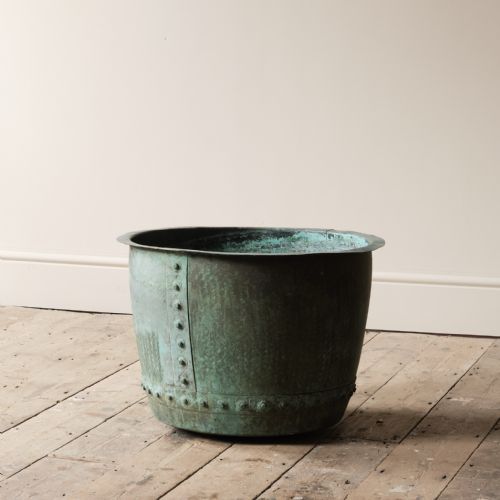
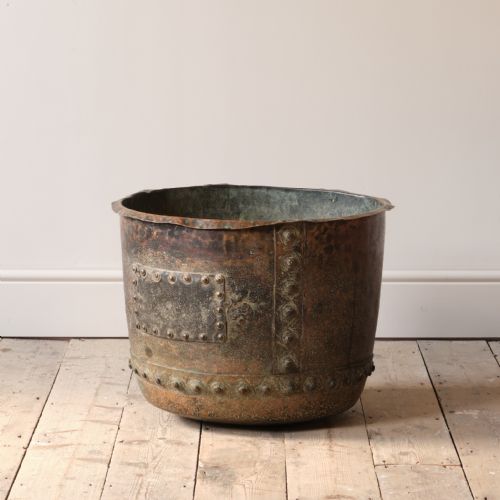
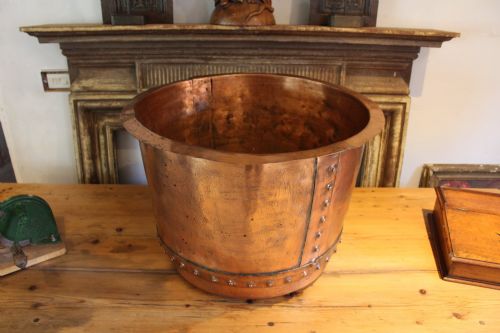
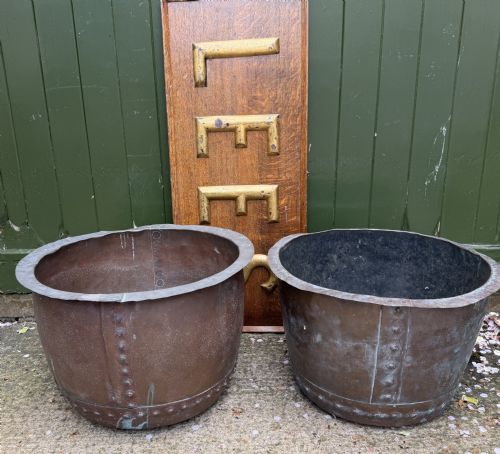
Makers formed these bodies from hammered sheet metal, joining overlapping seams with secure rivets that provide both structural strength and visual definition. Many examples incorporate supplementary metals such as wrought iron, cast iron, steel, brass, and tin for swing handles, rims, or structural reinforcement.
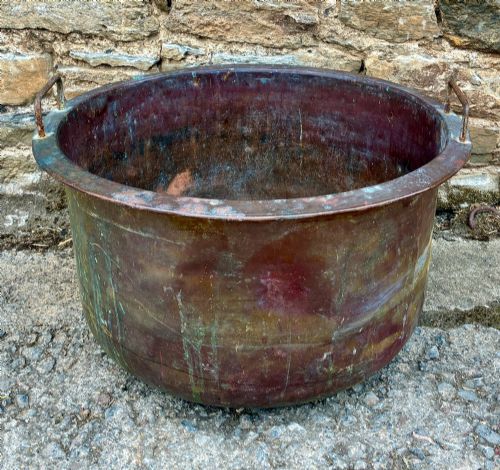
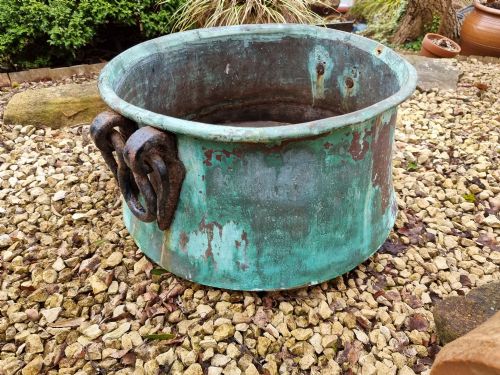
Surfaces developed their character through active use over generations, accumulating original patinas, verdigris finishes, and traces of paint. Blacksmiths and metalworkers shaped these utilitarian objects to withstand intense heat and heavy loads without losing structural integrity.
Materials span pure sheet copper reinforced with wrought iron, cast iron, brass, steel, and tin, often finished with verdigris.
What varies in quality
Quality rests in the integrity of the original construction, seen in substantial metal gauge, solid hand-beating, and the strength of riveted joints. Pieces that retain original wrought iron handles, iron mountings, and uncompromised structural bases hold superior visual presence.
The character of the surface layer dictates the aesthetic appeal, distinguishing uniform modern reproductions from pieces displaying genuine age-earned verdigris, surface weathering, and authentic patination. Subtleties in proportion and the scale of large vats or cauldrons elevate individual items above standard utilitarian items.
The Rustic Copper Tub Glossary
- Verdigris
- A green patina formed naturally on copper through atmospheric weathering over long periods. This chemical layer provides both protective qualities and distinct aesthetic character.
- Cauldron
- A large metal pot with a wide opening, frequently fitted with a swing handle for suspension or lifting over a fire. These heavy vessels served bulk cooking and boiling tasks.
- Log bin
- A deep container utilised for storing and displaying firewood beside a hearth. Many examples listed today started life as agricultural vats or washing coppers before finding a domestic role.
- Patina
- The surface sheen and colour acquired by metal through age, wear, and exposure to the elements. Collectors prize untouched patinas for recording the history of an object.
- Riveted
- Joined securely by metal bolts hammered flat at the ends to hold overlapping sheets of copper together. This technique predates modern welding and defines nineteenth-century industrial fabrication.
Rustic Copper Tub: Frequently Asked Questions
How do I clean a copper tub?
Washing the surface with warm soapy water and a soft cloth removes everyday dust without disturbing the historical skin. Avoid harsh abrasives that strip away the aged patination and verdigris.
Preserving the natural oxidation maintains the historic character valued by collectors. Light waxing can protect the metal if the tub sits in a damp environment.
Can I use these tubs outdoors?
Many of these vessels function well as garden planters or patio log containers due to their robust metal construction. Copper and iron withstand external elements effectively, though harsh frost requires monitoring.
Drainage holes may need careful consideration if planting directly into antique vessels without an inner liner. Placing them on stable surfaces prevents moisture retention at the base.
What is a cream setting pan?
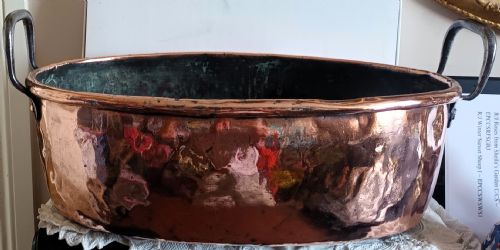
A cream setting pan is a wide, shallow vessel traditionally used in dairies to let milk settle so cream could rise to the surface. These pieces offer broad diameters and gentle sloping sides.
Georgian and nineteenth-century examples show fine hand-beating techniques suited to food preparation. Today, their generous proportions make them striking decorative bowls.
How do I spot an old copper tub?
Genuine antique pieces display irregular hand-hammered marks, hand-cut riveted seams, and heavy wrought iron handles rather than machine welding. The weight and thickness of the metal sheet indicate earlier manufacturing standards.
Surface wear, varied patination, and traces of historical use provide further markers of age. Inspecting the construction methods reveals whether an item originates from the nineteenth century or earlier.