

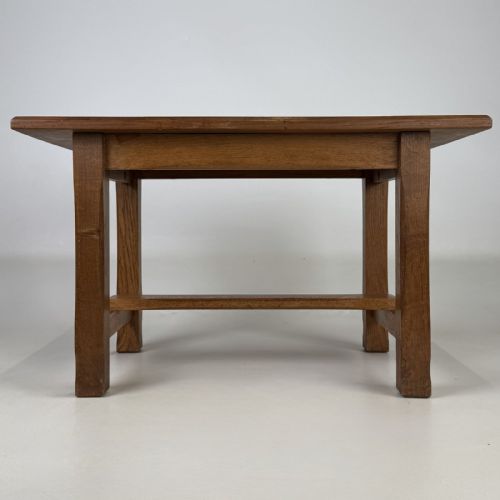
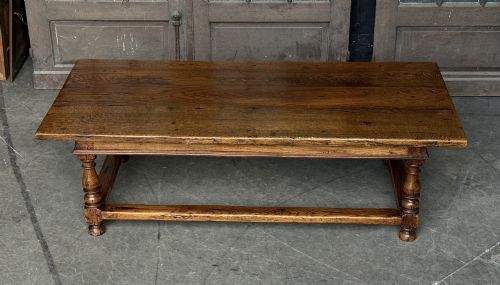
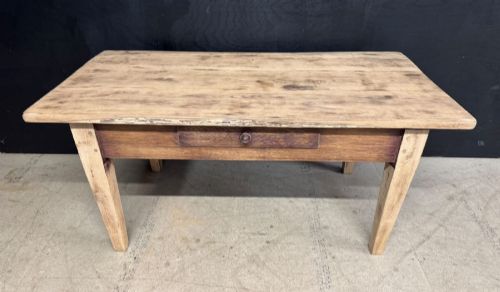
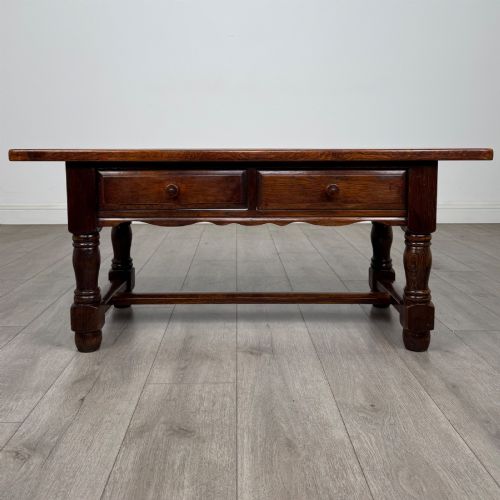


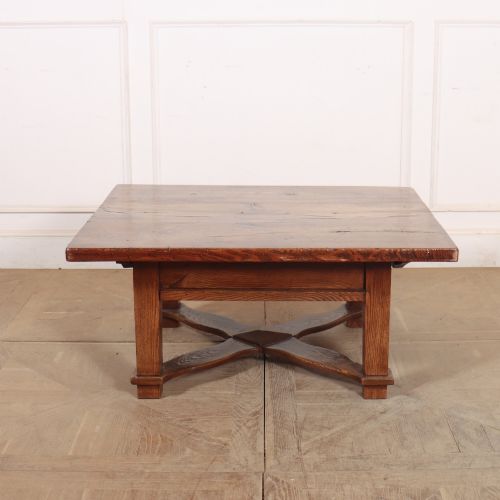


Rustic Cocktail Table
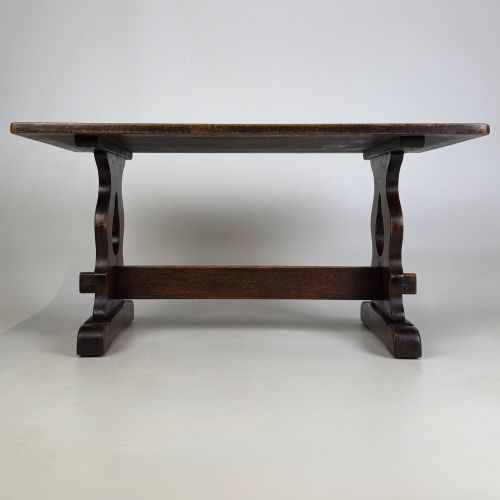
These rustic cocktail table pieces are solid timber low surfaces shaped by country makers from oak, pine, and elm for daily use.
Rustic Cocktail Table
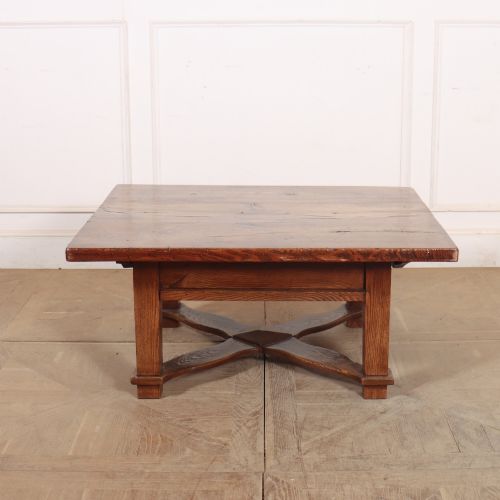
A rustic cocktail table brings low-slung, sturdy timber utility into a room, taking forms such as coffee tables, low tables, and occasional home bar sets. When you search for a rustic cocktail table, you meet pieces built from robust woods like oak, pine, elm, walnut, and cherry wood.
The selections span eras from the 18th century through the Edwardian period and the 1920s, reflecting regional country traditions across England, France, Austria, Denmark, and the Netherlands. Many examples showcase specific styles including Rustic Farmhouse, French Provincial, Arts and Crafts, and English Country House.
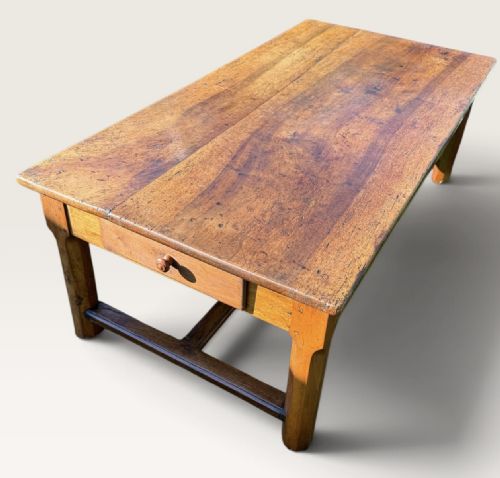
You are most likely to encounter substantial oak coffee tables originating from English and French traditions, often featuring practical additions like side drawers or turned legs. These items bridge historical utility and modern living spaces without losing their unpretentious domestic character.
Materials and Construction
Makers utilised solid regional timbers such as oak, elm, pine, and walnut, selecting woods with visible grain and natural imperfections. Construction relied on traditional joinery suited to heavy domestic service, complemented occasionally by wrought iron or brass hardware.
Surfaces show various historical treatments, from plain waxed or polished timber to applied paint finishes and bleached pine treatments. Low tables and coffee tables were constructed using sturdy turned legs, refectory framing, or simple panelled aprons.
Rustic Cocktail Table Retail Price Guide 2026
Typical asking prices for rustic cocktail table among the pieces listed under this phrase on Sellingantiques today, from the lower quarter to the upper quarter. They describe what is for sale here now, not the wider market.
Listings feature items spanning the 18th century to the 1930s, constructed predominantly in oak, pine, walnut, and elm.
Distinctions in Quality
Quality rests on the selection of timber, the integrity of the structural joinery, and the harmony of regional proportions. Superior examples display dense, well-figured grain in woods like oak or walnut, paired with robust framing that has endured centuries of use.
The character of the surface finish also defines the hierarchy, distinguishing honest, aged patination from heavy later alterations. Better pieces retain their original structural timber and authentic hardware without compromising the straightforward utility intended by the maker.
The Rustic Cocktail Table Glossary
- Refectory Style
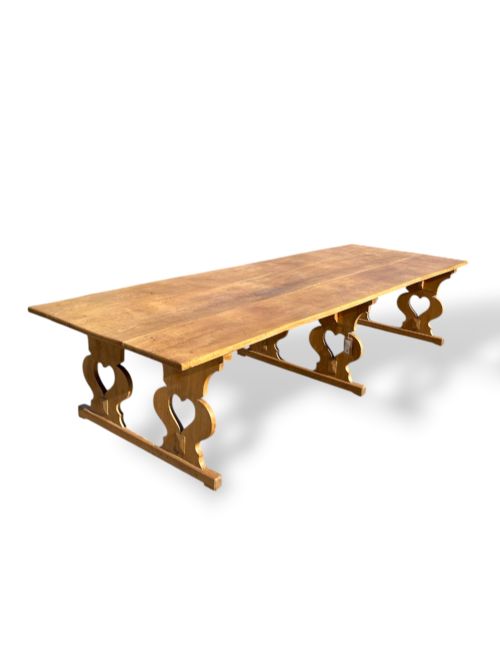
- A long, narrow table design featuring sturdy legs connected by a low stretcher running the length of the base. This format provides exceptional stability for heavy timber furniture.
- French Provincial
- A domestic style originating from regional France, combining rural practicality with restrained decorative carving and cabriole or turned supports. It reflects the local craftsmanship of provincial cabinetmakers.
- Arts and Crafts
- A design movement valuing hand-craftsmanship, simple structural forms, and the natural qualities of materials over industrial ornamentation. Pieces in this style emphasise honest construction and utility.
- Patina
- The surface sheen and colour developed over decades or centuries through handling, waxing, and exposure to light. It serves as a visual indicator of age and genuine domestic use.
- Apron
- The horizontal timber band fitted beneath the tabletop that connects the legs and provides structural rigidity. It frequently houses drawers in country tables.
Rustic Cocktail Table: Frequently Asked Questions
What is a rustic cocktail table?
A rustic cocktail table is a low timber surface intended for living areas, drawing on country traditions and regional furniture forms. These pieces prioritise solid woods and functional design over formal ornamentation.
They range from English oak refectory tables to French farmhouse low tables and painted pine boards. Each piece reflects the utilitarian needs of past domestic spaces.
How do I date an old table?
Dating relies on observing construction methods, tool marks, timber species, and overall style. Examining the joinery and hardware reveals the period of manufacture.
Regional characteristics and the natural wear of the wood provide further clues to whether a table originates from the eighteenth century or the Edwardian era.
Are these tables suitable for daily use?
These tables were originally built for heavy domestic service and remain exceptionally sturdy. Solid timber construction ensures they handle everyday living without difficulty.
Routine care, such as waxing and avoiding excessive moisture, preserves the surface while allowing the natural timber to age gracefully.
What woods were commonly used?
Country makers utilised timbers native to their regions, predominantly oak, pine, elm, walnut, and cherry wood. The choice of wood dictated the table's weight and grain pattern.
English and French pieces frequently employ oak or walnut, while Austrian and Scandinavian examples often showcase elm or pine.