





Rustic Child Chair
A rustic child chair brings centuries of domestic history into a room through honest, smaller-scale vernacular craftsmanship.
Rustic Child Chair
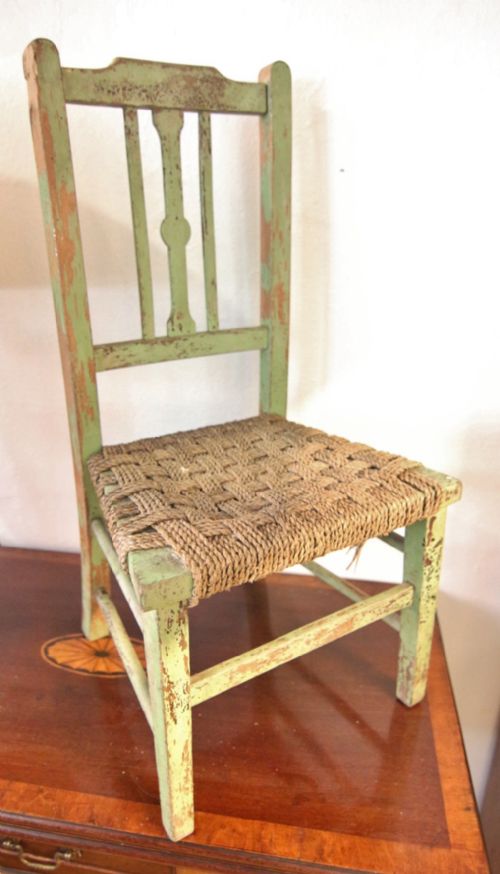
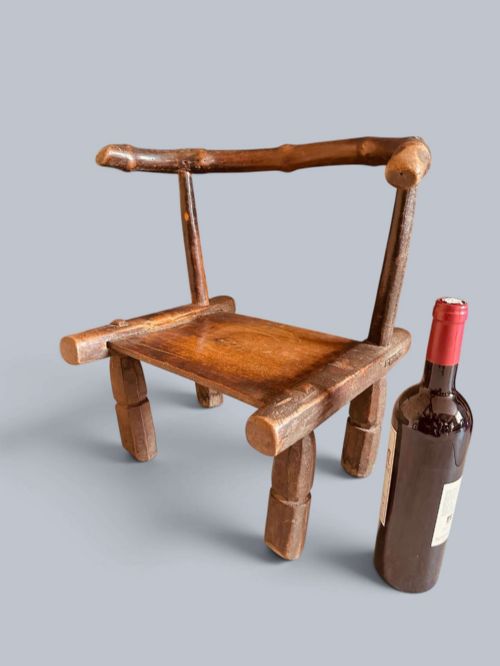
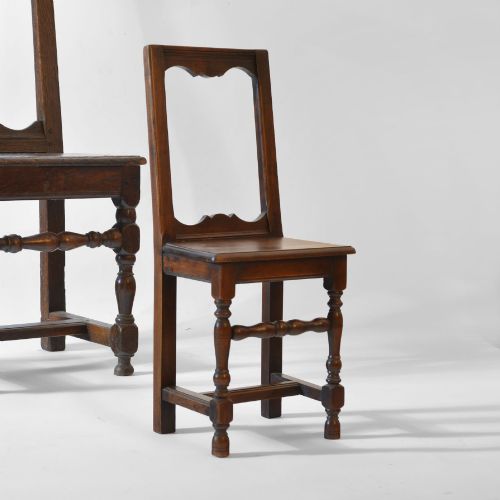
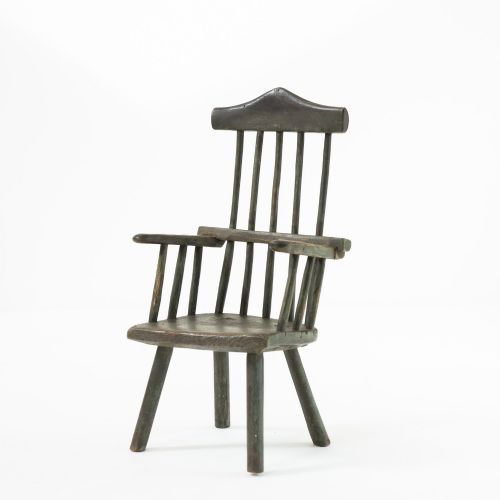
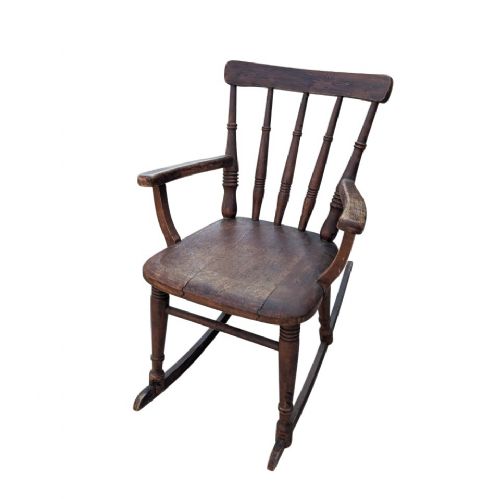
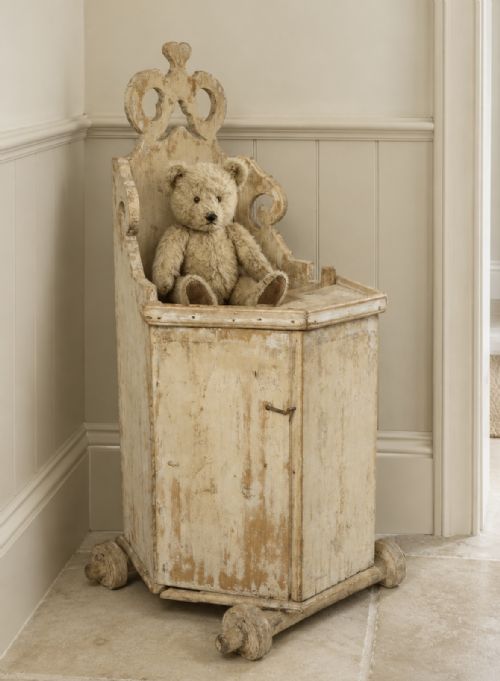
A rustic child chair encompasses small-scale domestic seating built by country makers for younger members of the household across several centuries. These pieces reflect the forms of adult vernacular furniture scaled down for everyday use in rural homes.
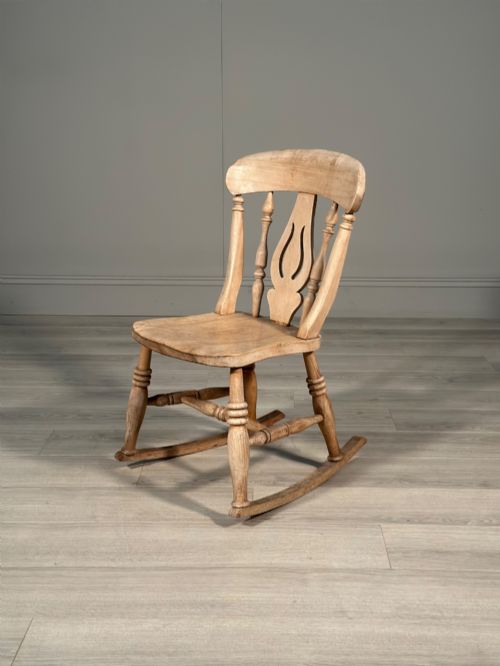
The selection here ranges widely across periods, extending from the eighteenth century through to the early decades of the twentieth century. Examples frequently appear as windsor armchairs, ladderbacks with rush seats, stick backs, and occasional rocking variants.
Geographic traditions shape these forms significantly, with Welsh, Swedish, French, and English regional styles all represented. Makers utilised local timber availability, leading to distinct regional characteristics in the construction of each child's chair.
Materials and construction methods
Makers relied on native timbers such as oak, elm, ash, fruitwood, yew, and pine to build sturdy frames capable of withstanding daily childhood use. Turnery and simple joinery formed the backbone of the construction, often combining woods within a single piece depending on structural needs.
Seats were frequently formed from solid plank timber or woven with natural rush to provide a resilient surface. Spindle backs, stick backs, and hoop backs utilised steam-bending techniques to shape green wood into strong, flowing supports.
Surface treatments remained straightforward, ranging from natural waxed finishes highlighting the grain to historic layers of paint or folk art decoration. These utilitarian finishes protected the timber while recording the working life of the chair.
Rustic Child Chair Retail Price Guide 2026
Typical asking prices for rustic child chair among the pieces listed under this phrase on Sellingantiques today, from the lower quarter to the upper quarter. They describe what is for sale here now, not the wider market.
Listings feature oak, elm, ash, pine, rush, beech, paint, and fruitwood across pieces dated from the seventeenth to the twentieth century.
Assessing quality in vernacular seating
Quality rests upon the integrity of the original construction and the survival of an honest, untouched surface patination. Pieces that retain their original timber components without heavy structural replacement command greater appreciation among collectors of country furniture.
Proportion and balance dictate the aesthetic success of miniature vernacular seating, as skilled makers successfully captured the gravity of full-sized chairs in a smaller format. Refined turnery on legs and spindles elevates certain examples above simpler utilitarian seating.
The Rustic Child Chair Glossary
- Stick back
- A chair design where turned spindles or plain sticks are inserted directly into a solid wooden seat. This construction method forms the backbone of many regional vernacular styles.
- Windsor
- A chair built with a heavy solid wooden seat into which the legs and back spindles are tenoned directly. The back typically incorporates a bow or comb top rail.
- Rush seat
- A seating surface woven from dried marsh reeds twisted into cords. It provides a flexible and durable platform for everyday domestic seating.
- Vernacular furniture
- Domestic objects made by local craftsmen using traditional regional methods and materials rather than following high-style academic design. These pieces serve immediate practical functions within the household.
- Spindle back
- A chair back composed of multiple slender, turned wooden uprights connecting the seat to the top rail. This construction reduces weight while maintaining structural strength.
Rustic Child Chair: Frequently Asked Questions
How old is this rustic child chair?
Dating relies on examining the tool marks, timber shrinkage, construction methods, and wear patterns visible across the frame. Regional variations and historical joinery styles further help narrow down the period of manufacture.
Many examples span from the eighteenth to the early twentieth century, reflecting traditional rural craftsmanship that changed very little over generations.
Were these chairs made for everyday use?
These pieces were built as practical domestic items for children in farmhouses and rural cottages. Their sturdy construction using native timbers reflects a functional purpose rather than decorative display.
Signs of heavy wear and historic repairs often indicate generations of active use within family homes.
How do I care for antique timber?
Keep wooden furniture away from direct heat sources and sudden temperature fluctuations to prevent the timber from splitting or warping. Maintain the finish by applying a traditional beeswax polish sparingly.
Avoid modern liquid cleaners that can strip the historic surface patination accumulated over centuries.
What woods were commonly used?
Craftspeople selected native hardwoods and softwoods depending on what grew locally and suited specific structural requirements. Oak, elm, ash, and fruitwood provided strength for legs and frames.
Porter pine and woven rush often appeared in seating areas and secondary components to balance durability with comfort.