




Rush Seat Accent Chair
A rush seat accent chair brings texture and vernacular charm to a room, offering practical seating shaped by centuries of regional craftsmanship.
Rush Seat Accent Chair
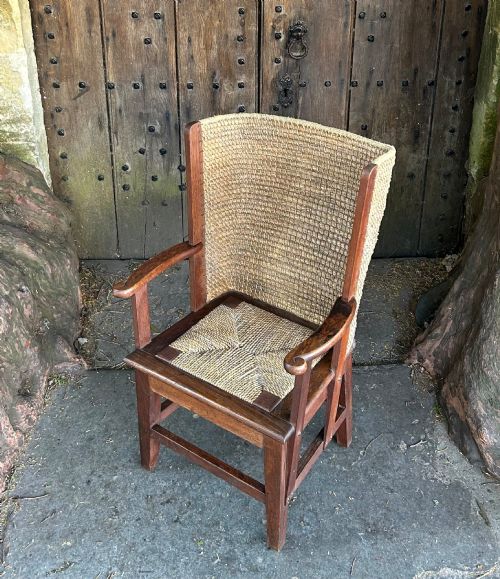
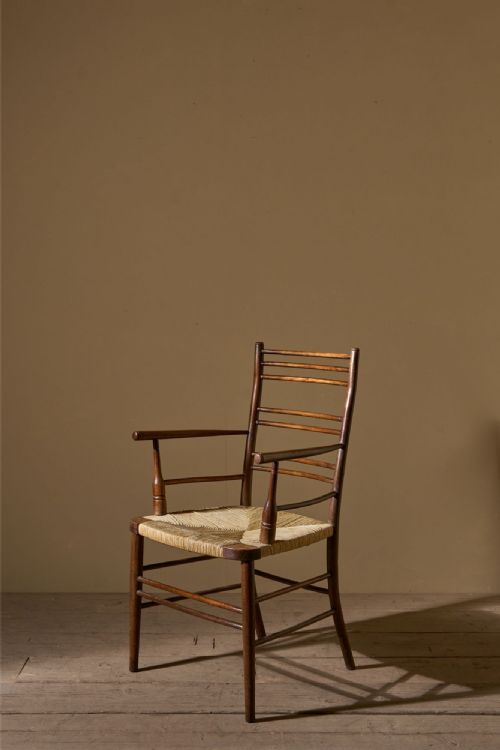
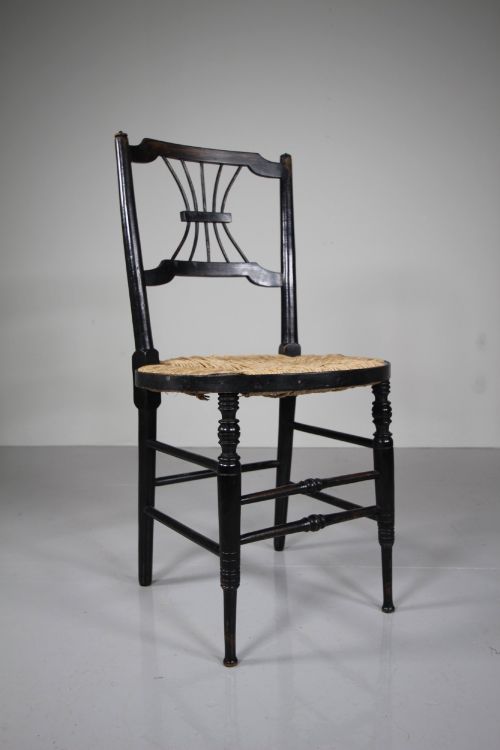
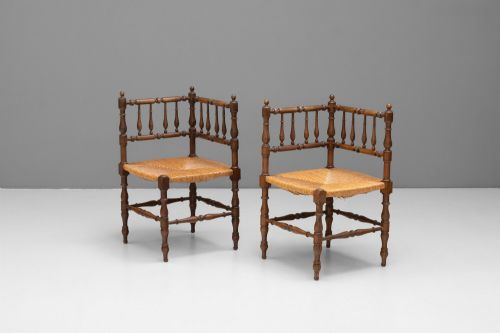
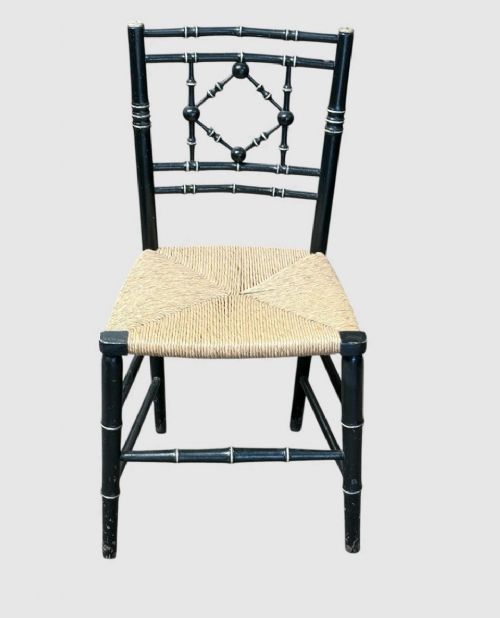
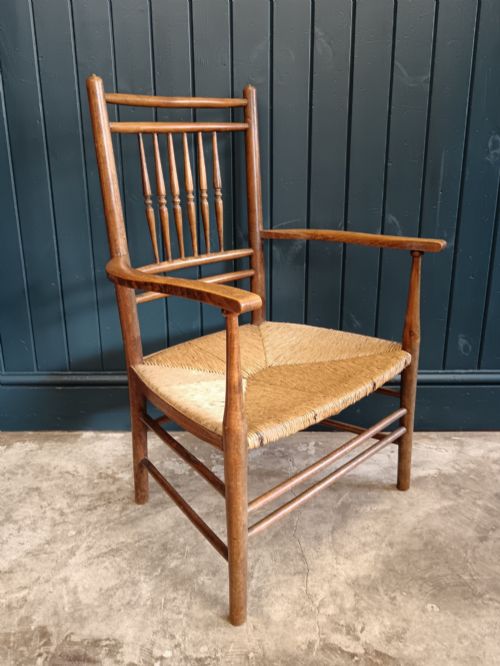
A rush seat accent chair encompasses a variety of traditional forms, including ladderback armchairs, spindle backs, low fireside chairs, and corner seating.
The selections span the nineteenth century, the Regency period, and the Arts and Crafts movement, alongside rustic country and aesthetic variations.
Buyers will encounter regional pieces like Orkney and Lancashire styles, as well as iconic designs associated with the Sussex chair tradition.
Materials and Construction
Frames are constructed from native hardwoods such as elm, ash, beech, oak, and walnut, frequently selected for strength and local availability.
Seating areas are hand-woven from dried marsh rush, creating a durable and responsive platform supported by the wooden framework.
Surface finishes range from natural waxed grain and ebonised treatments to original painted decoration and bamboo framing.
Rush Seat Accent Chair Retail Price Guide 2026
Typical asking prices for rush seat accent chair among the pieces listed under this phrase on Sellingantiques today, from the lower quarter to the upper quarter. They describe what is for sale here now, not the wider market.
Object types range from library armchairs and bathroom chairs to child's chairs and rocking chairs.
Factors of Quality
Quality rests in the integrity of the timber frame, the tightness of the rush weaving, and the preservation of original surfaces like paint or patinated wood.
Design nuance distinguishes standard vernacular workshop pieces from sophisticated iterations produced by prominent Victorian and Arts and Crafts makers.
William Morris·Liberty and Company·Ford Madox Brown·E W Godwin
The Rush Seat Accent Chair Glossary
- Rush
- Dried marsh grass woven tightly to form resilient, traditional seat pads. It provides a flexible yet durable surface that softens in colour with age.
- Ladderback
- A chair back featuring multiple horizontal wooden slats between the upright posts. This traditional form offers strong structural support and lumbar comfort.
- Spindle back
- A chair design incorporating numerous slender turned wooden uprights. These vertical elements distribute weight evenly across the backrest.
- Aesthetic movement
- A late nineteenth-century design style prioritising visual beauty over narrative function. Pieces often exhibit clean lines and artistic influences.
- Vernacular
- Regional furniture built by local craftsmen using traditional methods and native materials. These items reflect the practical domestic needs of their specific geographic origins.
Rush Seat Accent Chair: Frequently Asked Questions
How do I care for a rush seat?
Keep rush seats dry and away from direct heat sources to prevent the natural fibres from becoming brittle.
Clean them gently with a dry brush and avoid heavy moisture or traditional liquid furniture polishes.
Are these chairs comfortable for daily use?
Many models, particularly low fireside chairs and armchairs, were designed for relaxed domestic seating.
The woven rush yields slightly to the body, though modern cushions can be added for extra height or softness.
What is a Sussex chair?
The Sussex chair is an influential nineteenth-century design inspired by traditional Sussex vernacular seating.
Characterised by ebonised frames, spindle backs, and rush seats, it became a staple of the Arts and Crafts interior.
How do I distinguish regional styles?
Regional pieces often reveal their origins through specific structural markers, such as the distinctive high woven backs of Orkney chairs or the solid elm timbers of Lancashire ladderbacks.
Examining the turning of the wood and the joinery helps identify the local workshop tradition.