



Rural Winter Painting
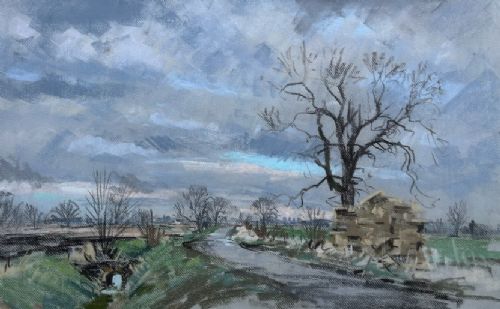
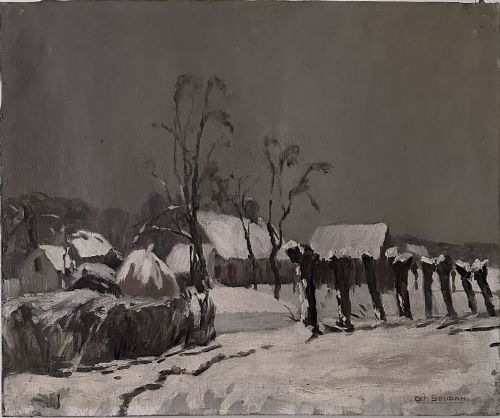
A rural winter painting captures the stillness of snow-covered dales and frosty pastures, bringing timeless pastoral atmosphere into a room.
Rural Winter Painting
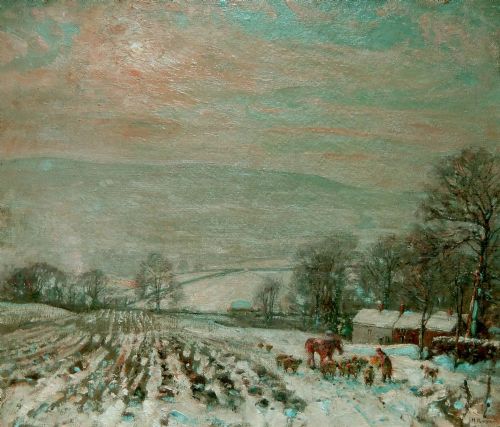
A rural winter painting depicts seasonal pastoral scenes, typically featuring snow-laden Yorkshire landscapes, sheep-droving views, and quiet village cottages under cold skies. These works range across the Edwardian, Victorian, and mid-twentieth-century periods, capturing historical rural life during the coldest months.
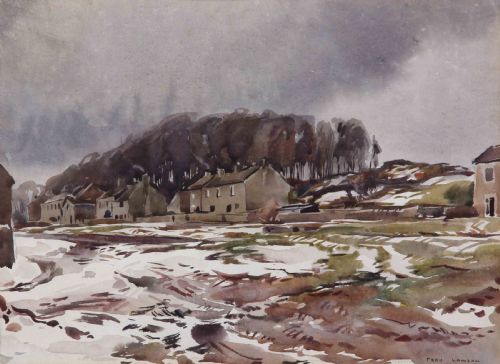
The pieces most frequently met on this page are oil paintings and watercolours on canvas or paper, framed under glass. They document British locations such as Wharfedale, Wensleydale, and the Isle of Man through traditional pastoral and impressionistic lenses.
Collectors encounter works by named artists alongside unsigned compositions, all sharing a focus on snow, winter feeding scenes, and bare trees. The selection spans from late nineteenth-century Victorian visions up to 1960s studio portfolios.
Materials and Technique
Artists built these scenes using oil paint or pastel on canvas or heavy paper, applying pigments to capture the muted light of winter days. Oil on canvas allows for rich texture in rendered snow, while pastel and watercolour on paper offer delicate atmospheric effects.
Support materials include wood framing and glass protection, particularly for works on paper. The physical construction relies on traditional stretched canvas and framed artwork assemblies common to British fine art practice across the twentieth century.
Rural Winter Painting Retail Price Guide 2026
Typical asking prices for rural winter painting among the pieces listed under this phrase on Sellingantiques today, from the lower quarter to the upper quarter. They describe what is for sale here now, not the wider market.
Assessing Quality
The distinction between standard works and superior examples lies in the handling of light, brushwork confidence, and compositional depth. Stronger pieces convey the specific chill and atmosphere of rural locations rather than relying on generic formulas for snow.
Condition of the medium and the framing also shape the standing of a piece, with well-preserved canvases and stable pastel surfaces retaining their intended visual impact. The reputation of the artist within British Impressionism and pastoral traditions further influences distinction.
Angus Rands·Herbert Royle·Fred Lawson·John Hobson Nicholson·Arthur Winter Shaw·W. Tatton Winter·Ernest Higgins Rigg·George Augustus Williams·Wilson
The Rural Winter Painting Glossary
- Oil Paint
- A slow-drying medium consisting of pigments suspended in a drying oil, typically linseed oil. This allows artists to build rich textures and deep tones suitable for winter scenes.
- Pastel
- A dry art medium in the form of a stick, consisting of powdered pigment and a binder. It produces velvety surfaces seen in various twentieth-century landscape sketches.
- Watercolour
- Paint made with water-soluble pigments, often applied to paper to create translucent washes. It frequently defines early twentieth-century rural sketches.
- British Impressionism
- A painting style developed in the late nineteenth and early twentieth centuries emphasising light and spontaneous brushwork. It heavily influences pastoral winter scenes from the period.
- Pastoral
- A genre of art depicting rural life and idealized country landscapes. These works focus on farming valleys, livestock, and cottages.
Rural Winter Painting: Frequently Asked Questions
What subjects appear in these paintings?
These works depict snow-covered dales, winter feeding scenes with sheep, village cottages, and rural riversides. Artists focused on the quiet character of the British countryside during cold months.
Common settings include Yorkshire valleys like Wharfedale and Wensleydale, alongside Isle of Man vistas and pastoral farmland.
How do I date a rural winter painting?
Dating relies on stylistic clues, framing materials, and recorded signatures or dates left by the artist. Edwardian and Victorian works often show distinct palette choices compared to mid-century pieces.
Catalogues and studio portfolios also help place works within specific decades such as the 1920s or 1960s.
Are these works created on canvas or paper?
The pieces utilise both canvas and paper supports depending on the medium chosen by the artist. Oil paintings are typically executed on canvas or board.
Watercolours and pastels are produced on paper, frequently preserved under glass within wooden frames.
How should I display a winter painting at home?
Display these artworks away from direct sunlight and excessive humidity to protect oil pigments, paper fibres, and wooden frames. Proper placement ensures the stable preservation of both canvas and works under glass.
Pairing them with neutral wall colours helps emphasise the muted tones and winter lighting of the pastoral scenes.