


Rural Countryside Oil Painting
A rural countryside oil painting brings the quiet fields, farmyards and riverbanks of past centuries straight onto an interior wall.
Rural Countryside Oil Painting
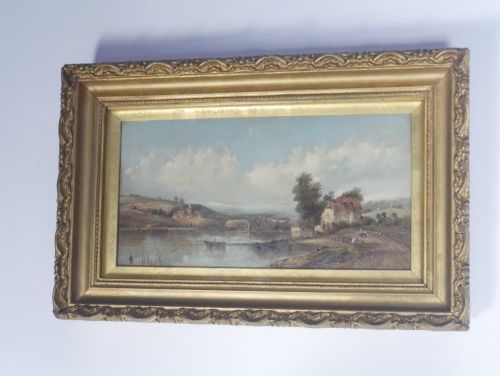
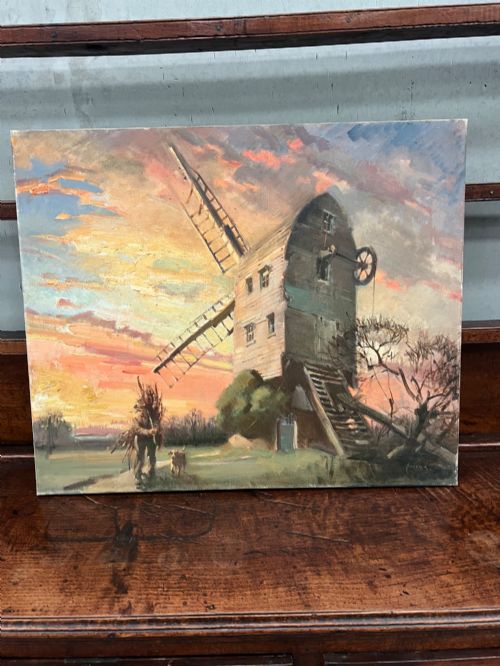
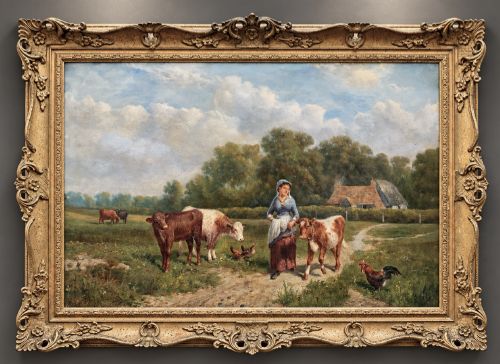
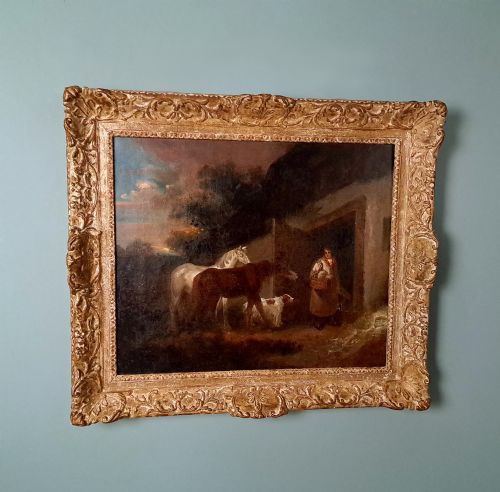
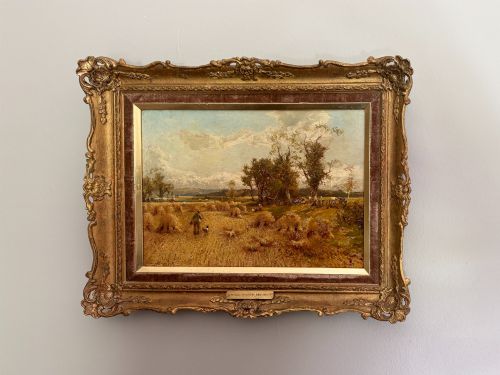
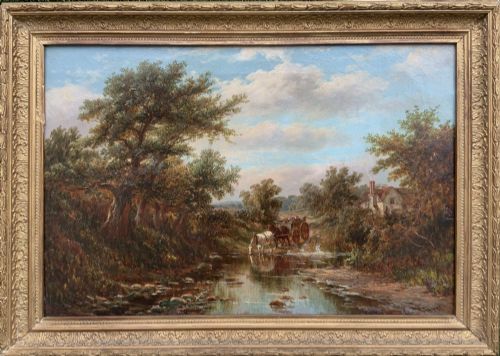
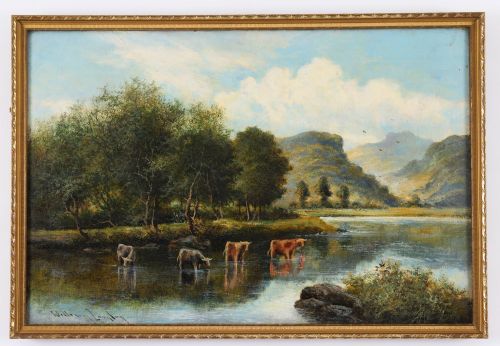
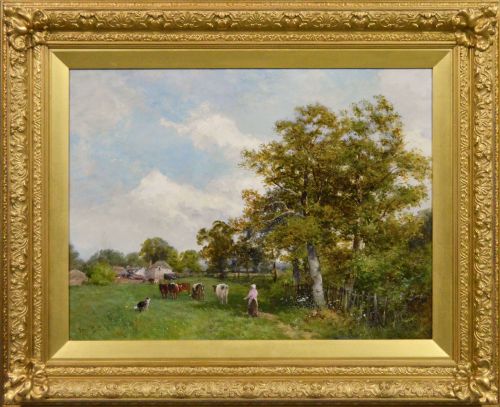
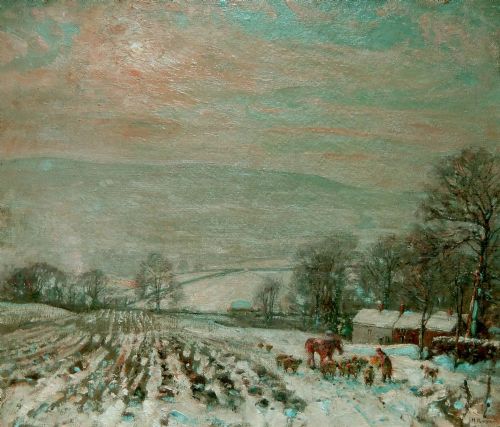
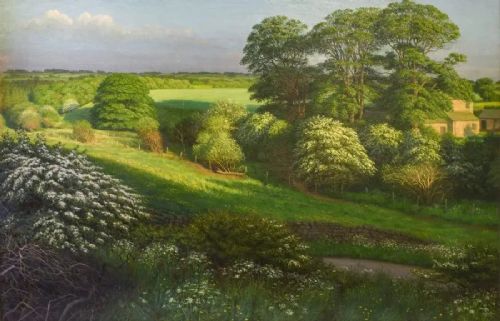
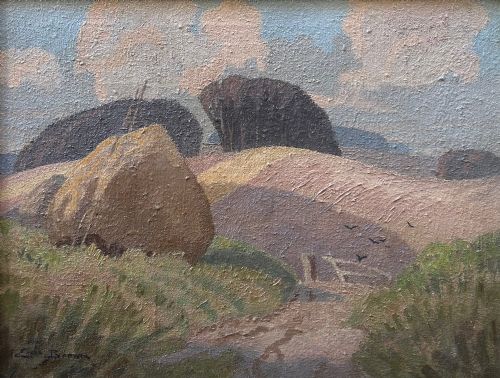
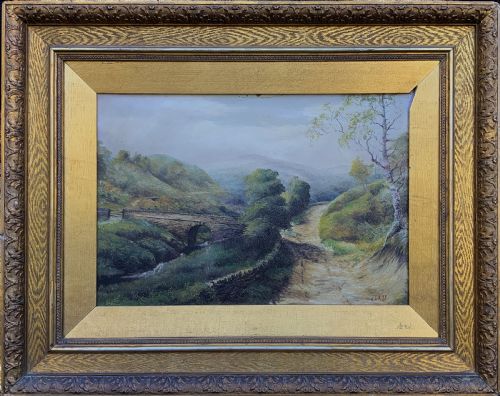
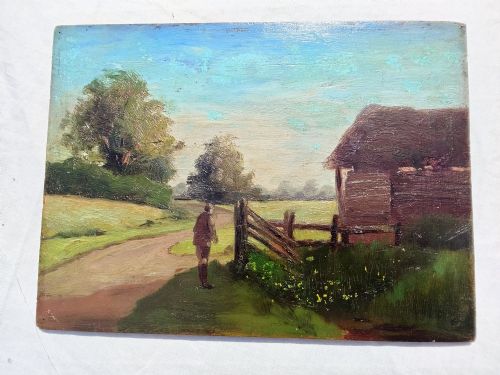
A rural countryside oil painting captures agrarian life, pastoral scenes and quiet villages through the brush of artists working primarily across the nineteenth and early twentieth centuries. These works frequently depict farmhands, grazing livestock, harvest fields and winding rivers under changing seasonal light.
Buyers encounter numerous regional British landscapes alongside continental views, often framed in period wood and gesso settings. The selection on this page ranges from intimate panel studies to expansive canvases detailing rural existence before mechanisation.
Materials and Technique
Pigments were mixed in oil and applied to stretched canvas or wooden boards, allowing artists to build rich textures and subtle tonal shifts. Brushes created varied marks, from tight academic detail in Victorian pastoral scenes to looser, expressive strokes seen in later British impressionist and post-impressionist works.
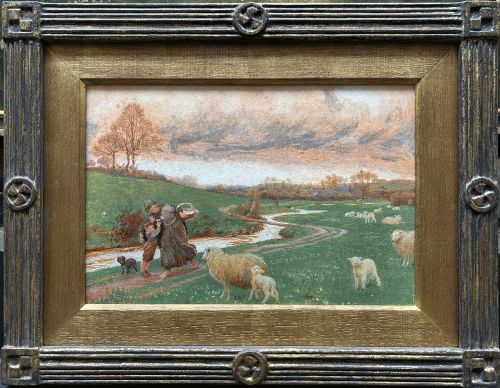
Finished surfaces were protected and framed in wood, frequently complemented by decorative gesso and gilt mouldings that defined the presentation of the period.
Rural Countryside Oil Painting Retail Price Guide 2026
Typical asking prices for rural countryside oil painting among the pieces listed under this phrase on Sellingantiques today, from the lower quarter to the upper quarter. They describe what is for sale here now, not the wider market.
Listings feature works executed in oil on canvas and wooden board, spanning the Victorian era through the mid-twentieth century.
Assessing Quality
Quality rests in the confidence of the brushwork and the artist's command of light, atmosphere and perspective within the rural scene. Works by named nineteenth and twentieth-century painters typically demonstrate superior compositional balance and anatomical accuracy in figures and livestock.
The preservation of the original paint layer, alongside the integrity of any period gilt or wood frame, distinguishes an exceptional survival from a more ordinary studio output.
William Langley·Samuel Joseph Clark·William Manners·Thomas Thomas·David Bates·Herbert Royle·Ernest Higgins Rigg·John Horace Hooper·Owen Bowen·Charles Clair·William Henry Mander·Reginald Grange Brundrit·William Sydney Cooper·Robert John Hammond·Johannes Philippus Galjaard·William Greaves·Frank Percy Wild·Charles Vickers·John Linnell·James William Booth·Florence Hess·Lorenzo Headley
The Rural Countryside Oil Painting Glossary
- Canvas
- A heavy woven fabric stretched across a wooden frame to serve as a sturdy support for oil paint. It remains the most common ground encountered in these works.
- Gesso
- A plaster-like mixture applied to wooden frames as a smooth base for gilding and ornamentation. It provides the decorative border typical of period framing.
- Pastoral
- A genre of art that romanticises rural life, shepherds and agricultural landscapes. These scenes emphasise a peaceful connection to the land.
- Post-Impressionist
- A style following impressionism that explores emotional and structural responses to nature through bolder colour and form. Works in this vein show a departure from strict realism.
Rural Countryside Oil Painting: Frequently Asked Questions
What periods do these rural paintings cover?
The available selection spans from the nineteenth century through the 1950s, capturing shifting artistic approaches to pastoral life over several generations.
Victorian naturalism gives way to twentieth-century impressionist and post-impressionist interpretations of the English countryside.
How should I hang an oil painting?
Select a wall away from direct sunlight and excessive moisture changes to protect both the canvas and the historical frame.
Ensure proper wall anchors support the weight of the wooden frame and canvas combination securely.
Are these paintings signed by the artists?
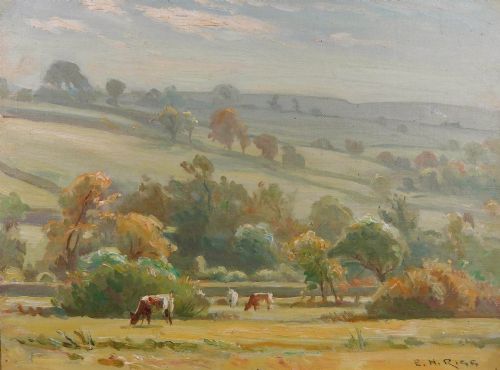
Many examples feature artist signatures or monograms, while others remain attributed to specific schools of painting based on style and technique.
Signed works often connect directly to known nineteenth and twentieth-century painters recorded in regional exhibitions.
What subjects appear most frequently?
Common subjects include harvest fields, farmsteads, rivers with figures, and livestock such as sheep and cattle grazing peacefully.
These motifs reflect an era deeply tied to agricultural rhythms and rural community life.