




Ruby Pendant Necklace
A ruby pendant necklace brings a deep crimson focus to the neck, combining rich gemstones with gold, silver, or platinum settings across historic periods.
Ruby Pendant Necklace
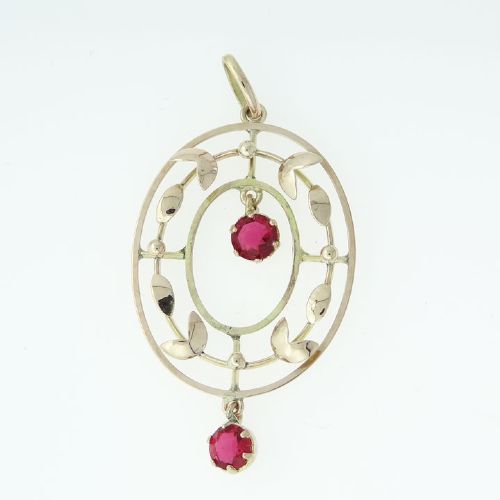
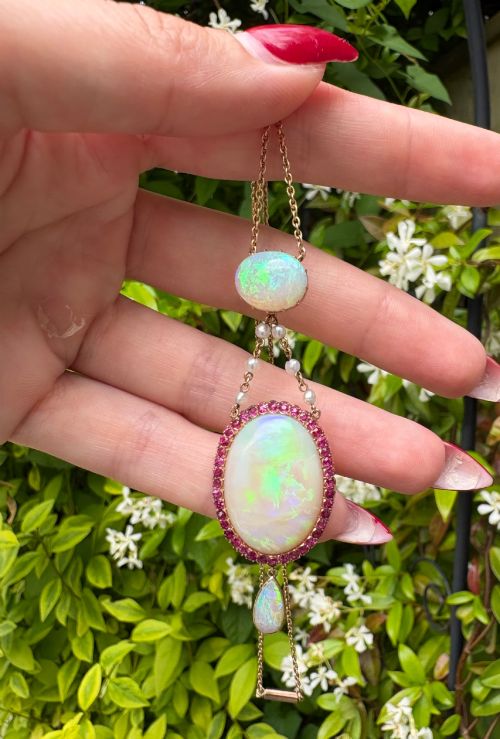
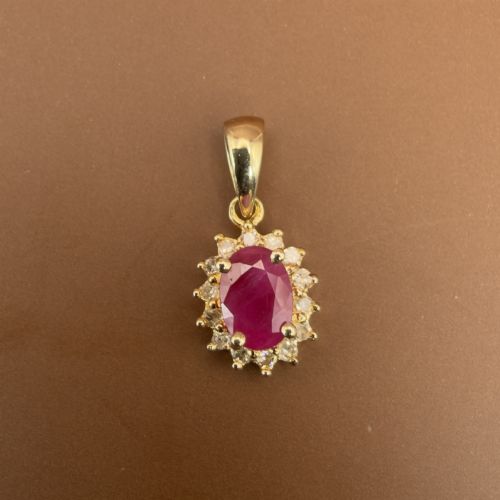
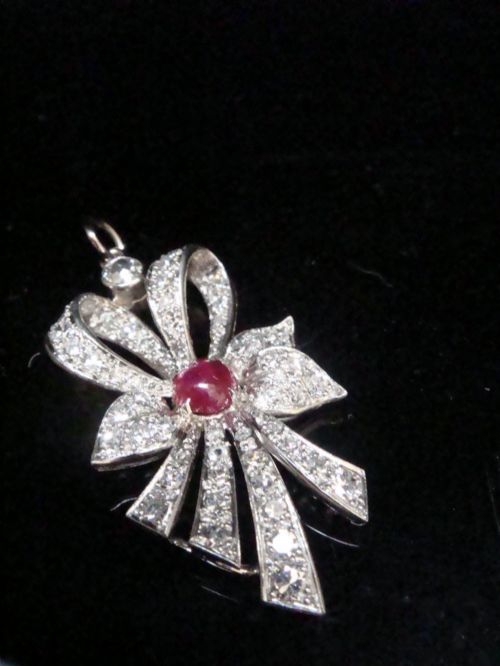
A ruby pendant necklace brings together central red corundum stones suspended on chains, ranging from intimate Victorian cluster drops to bolder mid-century designs. When exploring a ruby pendant necklace, buyers encounter diverse configurations including delicate bow motifs, snake forms, and simple oval clusters.
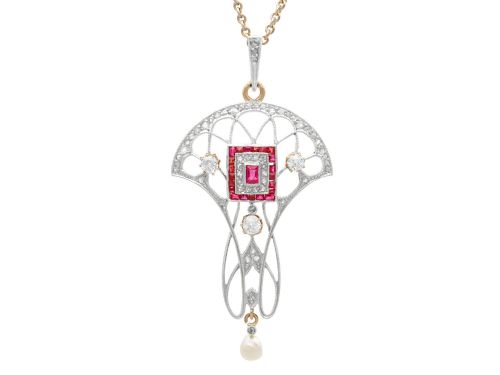
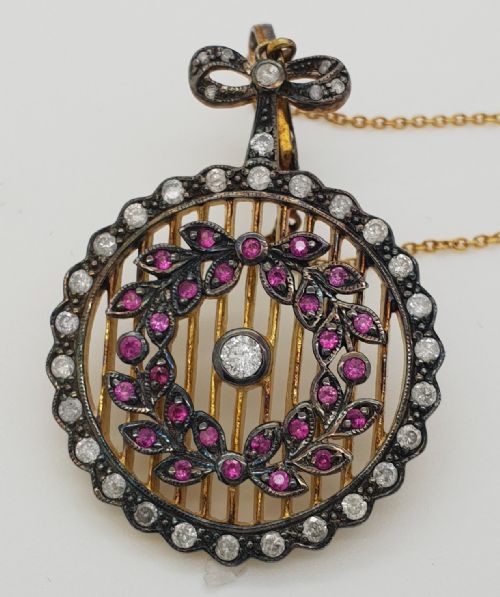
The pieces appearing on this page stretch from the late nineteenth century through the Edwardian era and into the mid-twentieth century. Victorian and Edwardian examples frequently pair rubies with diamonds, pearls, or opals in yellow gold and platinum, while later vintage iterations introduce heavier gold work and distinct gemstone pairings.
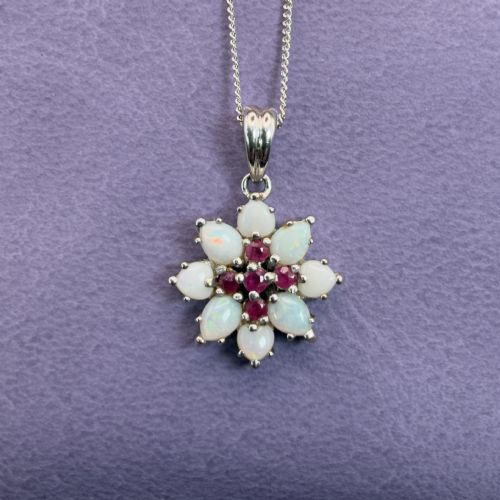
Cluster settings dominate the selections, anchoring vivid red stones amidst sparkling diamond halos or contrasting pearl accents. Alongside traditional pendants, the inventory includes convertible pendant brooches and specific thematic shapes like serpents, hearts, and flower vases.
Materials and construction
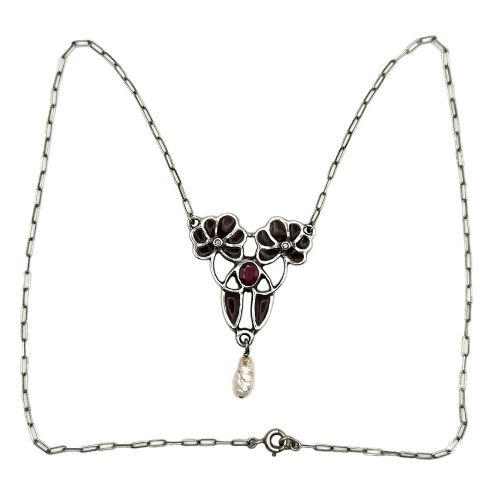
Goldsmiths and jewellers utilised varied metallic bases, moving from silver and yellow gold in earlier Victorian items to platinum-topped gold in Edwardian pieces and solid yellow or white gold in later decades. Gemstones such as diamonds, natural pearls, opals, and sapphires accompany the central rubies, secured in claw settings or integrated via enamel work.
Techniques range from traditional hand-carving and cluster mounting to delicate plique-à-jour enamel used in Art Nouveau designs. Metalsmiths combined rose, yellow, and white gold variants with silver gilt to frame the stones effectively.
Ruby Pendant Necklace Retail Price Guide 2026
Typical asking prices for ruby pendant necklace among the pieces listed under this phrase on Sellingantiques today, from the lower quarter to the upper quarter. They describe what is for sale here now, not the wider market.
Several pieces feature coiled gold serpents and tiny glass scent bottles disguised as functional Victorian pendants.
Factors separating standard pieces from finer examples
Quality rests upon the saturation and clarity of the ruby itself, alongside the harmonious integration of secondary stones like diamonds and pearls. Finer pieces demonstrate meticulous handiwork in the metal mounting, whether in intricate platinum bow wirework or balanced cluster proportions.
The integrity of the setting and the preservation of delicate elements, such as enamel work or seed pearl arrangements, distinguish superior examples. Age-appropriate craftsmanship and the balance between the central red stone and its surrounding frame determine the overall character of the jewellery.
The Ruby Pendant Necklace Glossary
- Cluster pendant
- A jewellery piece featuring a central gemstone surrounded by a ring of smaller stones, typically diamonds or pearls. This arrangement maximises visual impact and light reflection.
- Plique-à-jour
- An enamelling technique where the enamel is applied without a backing, resembling miniature stained glass. It allows light to pass through the translucent coloured areas.
- Rose cut
- An antique diamond cut featuring a flat base and a domed crown with triangular facets. This cut predates the modern brilliant cut and offers a softer, subtle gleam.
- Natural pearl
- Pearls formed organically within molluscs without human intervention, frequently found in antique cluster and bow necklaces. They differ significantly from cultured counterparts in formation.
- Silver gilt
- Sterling silver coated with a thin layer of gold. This technique provides the warmth of gold with a silver structural base.
Ruby Pendant Necklace: Frequently Asked Questions
How do I care for my ruby pendant necklace?
Keep the piece away from harsh chemicals, ultrasonic cleaners, and abrasive surfaces to protect softer secondary stones like pearls or opals. Clean gently with warm soapy water and a soft brush.
Store the necklace individually in a fabric-lined box to prevent scratching against other items in your collection.
Are these necklaces supplied with chains?
Many antique pendants arrive paired with matching or replacement chains, though some historical examples are sold as pendants alone. Check the specific details of each listing to confirm chain inclusion.
When a pendant is sold independently, a compatible period or modern chain can be sourced easily.
Can these pendants be worn as brooches?
Several listed items are designated as pendant brooches, featuring integrated pin mechanisms alongside suspension loops. This dual functionality allowed Victorian and Edwardian wearers to pin the jewel to garments or hang it from a chain.
Convertible pieces offer versatile styling options for modern wear.
How do I distinguish Edwardian from Victorian styles?
Victorian pieces often feature heavier yellow gold, snake motifs, and richer coloured stone combinations. They lean towards romantic or symbolic designs.
Edwardian items typically utilise platinum and white gold with lace-like openwork, bows, and garlands designed to catch the light.