



Royal Worcester Fine China
Royal Worcester fine china brings hand-painted fruit and exquisite porcelain into your home, offering timeless elegance from a celebrated British maker.
Royal Worcester Fine China
Royal Worcester fine china comprises porcelain and bone china pieces created by skilled artisans across the late nineteenth and twentieth centuries. The selection here ranges from Edwardian and Victorian aesthetic movement items through to mid-century studio works.
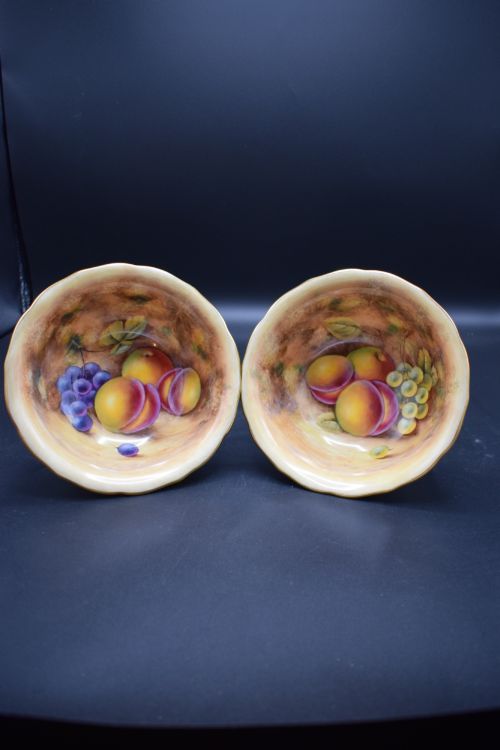
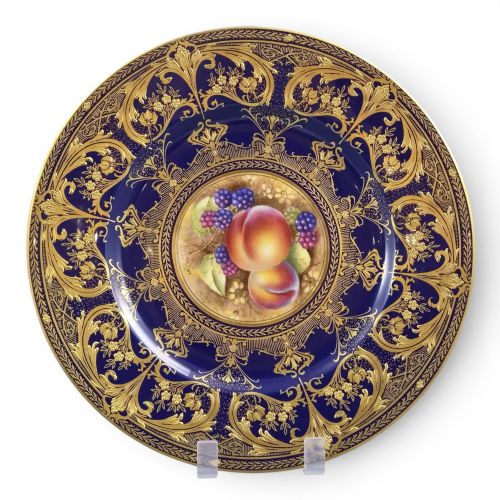
Vases, cabinet plates, ginger jars, and teacups form the core of these listings, often featuring hand-painted natural subjects such as fruit, storks, swans, and roses. You are most likely to meet painted fruit plates and vases bearing the signatures of renowned artists.
The objects span periods from the eighteen-nineties up to the nineteen-seventies, demonstrating a continuous tradition of British porcelain manufacture. Each piece reflects the aesthetic preferences of its decade, shifting from Victorian ornamentation towards cleaner mid-century forms.
Materials and construction
These items are shaped from porcelain and fine bone china, providing a smooth white ground ideal for detailed artistic work. Artisans applied gold leaf, gilding, and enamel to accentuate rims, handles, and painted motifs.
Decoration relied heavily on meticulous hand-painting by specialist studio artists, whose signatures often appear alongside the factory marks. Gilding and gold gilt were applied by hand to frame the central painted scenes on plates and vases.
Royal Worcester Fine China Retail Price Guide 2026
Typical asking prices for royal worcester fine china among the pieces listed under this phrase on Sellingantiques today, from the lower quarter to the upper quarter. They describe what is for sale here now, not the wider market.
Listings span periods from the eighteen-nineties to the nineteen-seventies, utilising porcelain, fine bone china, gold leaf, enamel, and gilding.
Judging quality in the range
Quality in royal worcester fine china rests primarily on the skill of the artist and the complexity of the painted subject. Pieces featuring named artists and intricate naturalistic scenes command greater attention than standard factory decoration.
The application of gold leaf and the crispness of the enamel work further distinguish finer examples. The weight and translucency of the bone china, combined with the preservation of the painted surface, determine the standing of each piece.
Royal Worcester·Hadley Worcester·Brian Leaman·Walter Powell·H Davis·John Smith·Baldwyn·HH Price·E Raby
The Royal Worcester Fine China Glossary
- Bone china
- A type of soft-paste porcelain containing bone ash, known for its high strength, chip resistance, and milky translucency.
- Cabinet plate
- A decorative ceramic plate intended for display in a cabinet rather than for dining use.
- Gilding
- The application of gold leaf or gold powder to the surface of porcelain to create decorative metallic accents.
- Enamel
- A glass-like substance fused to the surface of porcelain through firing, used to introduce vibrant colours to painted designs.
- Blush ivory
- A soft, matte cream-coloured ceramic body developed by Worcester, often tinted with pastel pinks and blues and highlighted with gold.
Royal Worcester Fine China: Frequently Asked Questions
What is royal worcester fine china?
Royal Worcester fine china encompasses decorative porcelain and bone china items produced by the historic British manufacturer. These pieces include vases, cabinet plates, and tea wares.
Many of these objects feature hand-painted artwork by notable factory artists, depicting subjects like fruit, birds, and floral arrangements.
How do I date these pieces?
Dating relies on factory date codes stamped or painted on the underside of the porcelain, alongside maker marks that changed across decades. Style periods, such as Edwardian or Victorian aesthetic movement, also provide broad chronological markers.
Signatures from specific artists help narrow down the period of production when combined with stylistic evidence.
Were these items used daily?
Cabinet plates, decorative urns, and spill vases were primarily intended for display in nineteenth and twentieth-century interiors. Demitasse sets and teacups were used for formal entertaining.
Finely painted pieces with extensive gold leaf were treated as decorative works rather than utilitarian kitchenware.
How should I display them?
Display these porcelain pieces in enclosed cabinets or on stable surfaces away from direct sunlight to protect the painted enamels and gilding. Proper spacing allows the intricate details of fruit and floral motifs to be appreciated.
Handling should be kept to a minimum, supporting the base of vases and plates rather than relying on delicate handles.