






Round Wood Stool
A round wood stool brings warmth and character to a room, offering simple utility through solid craftsmanship.
Round Wood Stool
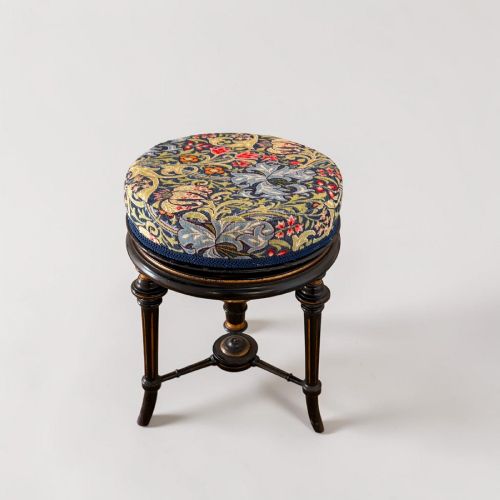
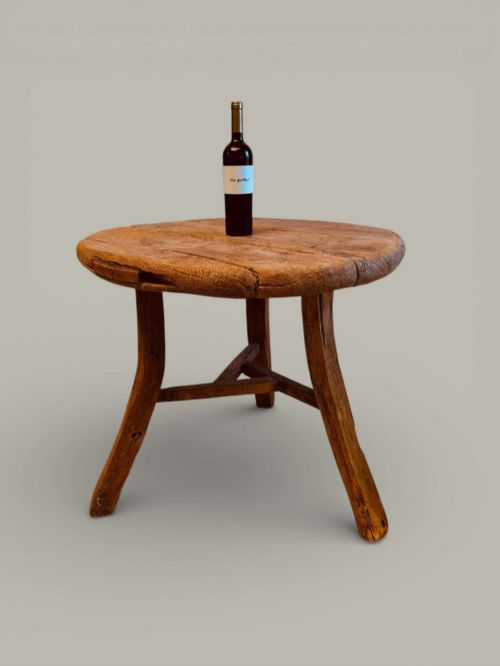
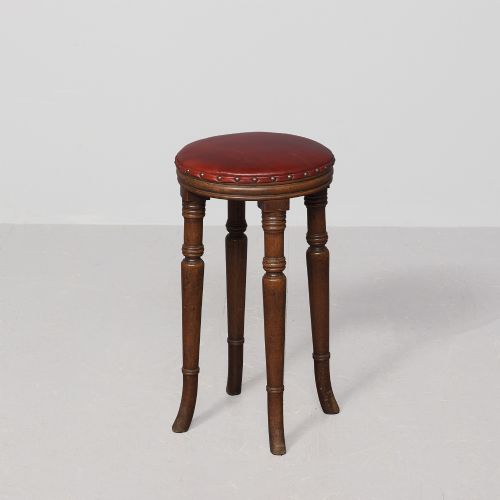
When you search for a round wood stool, you encounter a diverse selection of seating and occasional surfaces spanning several centuries and global traditions. The examples found here range from rustic elm-topped forms and carved oak circular pieces to refined mahogany piano stools and Chinese hardwood designs.
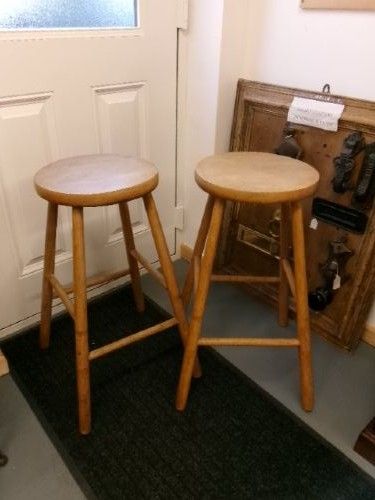
The assortment includes low side tables, tall bar stools, and footstools that demonstrate circular construction in various domestic roles. Many pieces combine a sturdy wooden base with upholstered elements such as leather, fabric, or tapestry.
Victorian and nineteenth-century items appear alongside earlier George Third pieces and twentieth-century bentwood examples. This variety reflects both utilitarian farmhouse needs and more formal parlour requirements.
How they were made
Cabinetmakers and rural artisans utilised solid hardwoods such as mahogany, elm, walnut, and rosewood to construct these circular forms. Turning lathes shaped upright supports and legs, while hand-carving added detail to skirts and frames.
Construction techniques vary from traditional joinery in English country pieces to specialised turning found in piano stools and bentwood methods used for twentieth-century seating. Tops were often fashioned from single thick boards of timber or incorporated inset materials like marble.
Round Wood Stool Retail Price Guide 2026
Typical asking prices for round wood stool among the pieces listed under this phrase on Sellingantiques today, from the lower quarter to the upper quarter. They describe what is for sale here now, not the wider market.
The listings span the nineteenth and twentieth centuries, featuring materials from basic hardwood and elm to marble and tapestry.
What varies in quality
The distinction between standard utility items and finer examples rests upon the selection of timber and the precision of the turning and carving. Superior pieces display carefully figured grain in hardwoods like mahogany or walnut and possess robust structural joinery.
Design sophistication also marks the difference, as seen in pieces featuring sculpted legs, integrated mechanical adjustments on piano stools, or distinctive regional carving styles from British, French, Chinese, and Anglo-Indian traditions.
Gillows·H Brooks and Co.
The Round Wood Stool Glossary
- Elm
- A durable hardwood prized for its interlocking grain and resistance to splitting, frequently used for rustic stool seats.
- Bentwood
- A technique of steaming timber until pliable so it can be curved into rounded structural shapes.
- Piano stool
- An adjustable seat designed for keyboard players, often featuring a revolving top or mechanism.
- George Third
- The period of British design spanning the second half of the eighteenth century and early nineteenth century, known for classical proportions.
Round Wood Stool: Frequently Asked Questions
How are round wood stools used?
These pieces serve primarily as functional seating around tables or at bars, and frequently double as compact side tables for holding lamps or books. Smaller footstools provide low support, while piano stools offer adjustable seating heights for musicians.
Their compact circular footprint allows them to tuck easily into corners or pull up beside armchairs when extra surface space is needed in smaller rooms.
How do I care for a wood stool?
Maintain the timber by keeping the piece away from direct heat sources and sudden humidity changes that can cause wood to dry or crack. Regular dusting with a soft cloth preserves the polished surface without damaging the finish.
Apply a traditional wax polish occasionally to nourish hardwoods like mahogany and elm, avoiding silicone-based sprays that build up over time.
How do I identify the period of a stool?
Dating relies on examining the turning style of the legs, the species of wood used, and the assembly methods visible underneath the seat. Earlier pieces from the Georgian era display distinct classical turning, while Victorian and later nineteenth-century examples often feature heavier carved decoration.
Twentieth-century items may introduce bentwood construction or simpler utilitarian forms that reflect industrial manufacturing shifts.
Can I use these stools outdoors?
Most antique and vintage pieces were constructed exclusively for indoor domestic use and lack weather-resistant finishes or modern adhesives suitable for exterior environments. Exposure to moisture and temperature swings will damage the timber, veneers, and upholstery.
Keep them inside where the climate remains stable to preserve the structural integrity of the joints and the quality of the wood surface.