





Round Wall Art
Round wall art brings together centuries of circular decorative objects, from Victorian convex mirrors to Art Deco clocks, designed to draw the eye and balance rectilinear interiors.
Round Wall Art
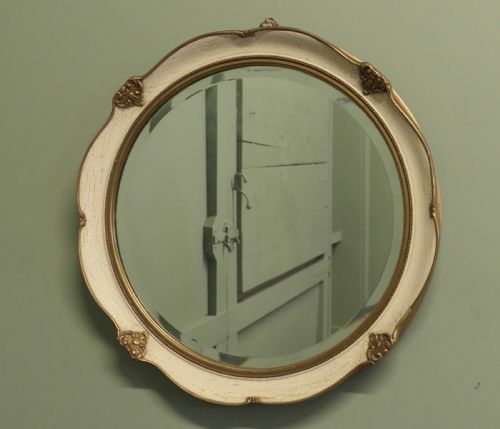
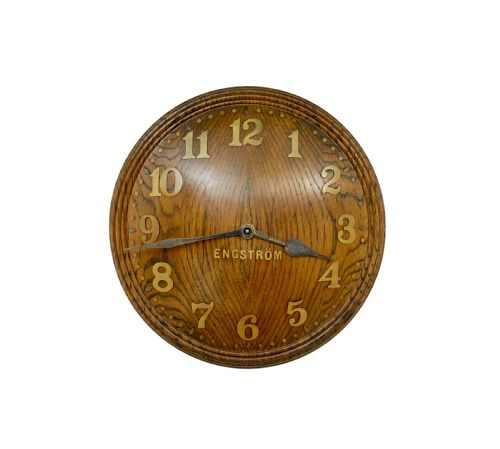
Round wall art encompasses a diverse selection of circular decorative objects spanning multiple centuries, dominated by wall mirrors, clocks, and framed paintings. When searching for round wall art, buyers encounter everything from early nineteenth-century watercolour paintings to robust Art Deco timepieces and mirrors.
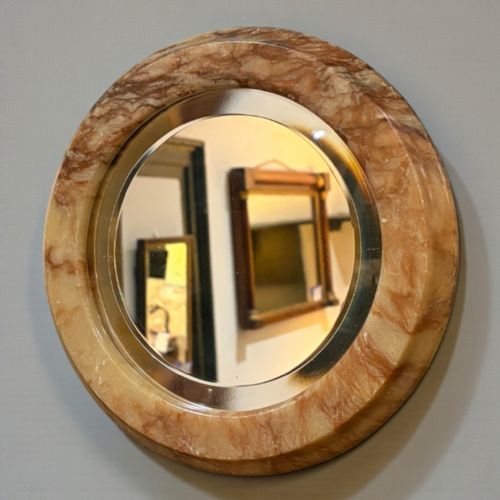
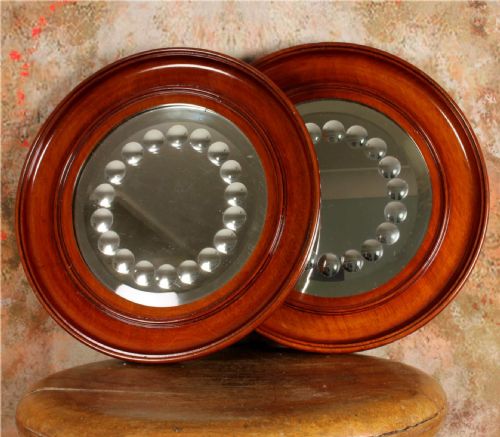
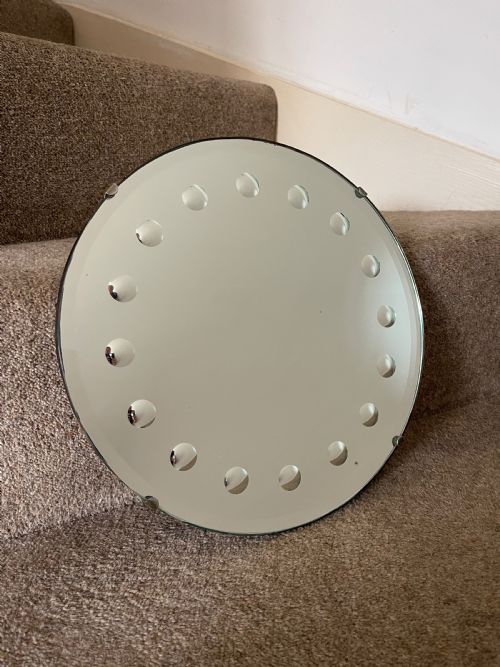
The pieces on this page lean heavily towards functional or decorative domestic items shaped in a circle, including alabaster mirrors, convex witch's mirrors, and painted panels. Art Deco examples from the nineteen-twenties and thirties sit alongside Victorian glass pieces and Georgian miniatures.
Origin and form vary considerably across the selection, moving from French gilt mirrors to British school watercolours and Japanese cloisonne enamel chargers. This variety allows collectors to source specific periods while maintaining a circular motif across their walls.
How they were made
Makers utilised wood, brass, copper, and chrome to construct sturdy frames and housings for mirrors and clocks, often combining glass and mirror glass to catch the light. Alabaster and bronze appear frequently in sculptural plaques and surrounds.
Works on paper, such as watercolours and classical prints, rely on traditional framing using paper and ebonised or polished timber. Needlework pictures employ fine textile techniques mounted in circular wooden surrounds.
Specialised techniques include cloisonne enamel on chargers and convex glass blowing for sorcerer's mirrors. Metalwork items showcase casting and patination, particularly in pieces from nineteenth-century foundries.
Round Wall Art Retail Price Guide 2026
Typical asking prices for round wall art among the pieces listed under this phrase on Sellingantiques today, from the lower quarter to the upper quarter. They describe what is for sale here now, not the wider market.
Fairground carousel panels bring the boisterous energy of nineteenth-century fairgrounds directly into domestic living spaces.
What varies in quality
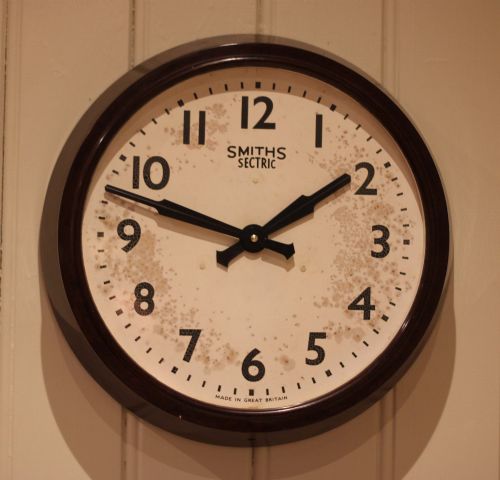
Quality rests upon the crispness of the original manufacturing technique, whether in the casting of a bronze plaque or the precision of an Art Deco clock dial. Finer examples display superior handling of materials, such as deeply bevelled mirror glass or exceptionally detailed watercolour brushwork.
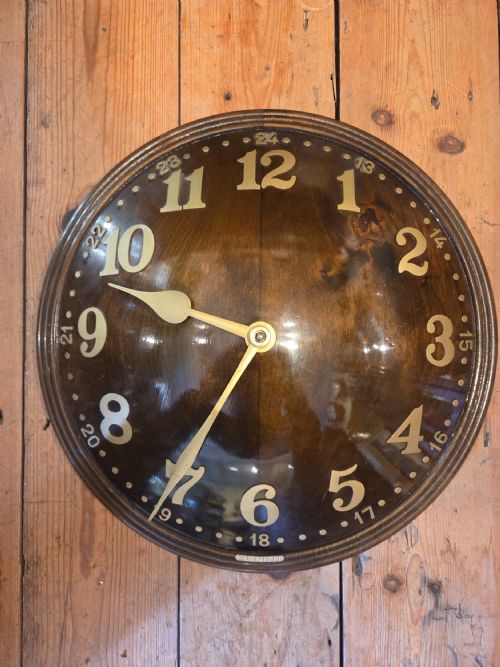
The integrity of the materials dictates the upper tier of the range, evident in heavy alabaster surrounds, genuine period timber frames, and well-preserved enamel work. Pieces retaining original components, such as specialised twenty-four-hour clock dials, command attention through their completeness.
Artistic execution separates standard decorative items from superior works, particularly in hand-painted watercolours, signed Japanese chargers, and portrait miniatures. The harmony between the circular format and the subject matter reveals the maker's skill.
Zenith·Engström·Edgar Woollatt·Coalbrookdale
The Round Wall Art Glossary
- Convex mirror
- A circular mirror with a bulging curved surface that reflects a wide, distorted field of view. These are often called witch's mirrors or sorcerer's mirrors.
- Cloisonne enamel
- A decorative metalwork technique where enamel paste is applied within compartments defined by soldered wire strips on a base. Japanese examples often feature intricate mon and tendril motifs.
- Portrait miniature
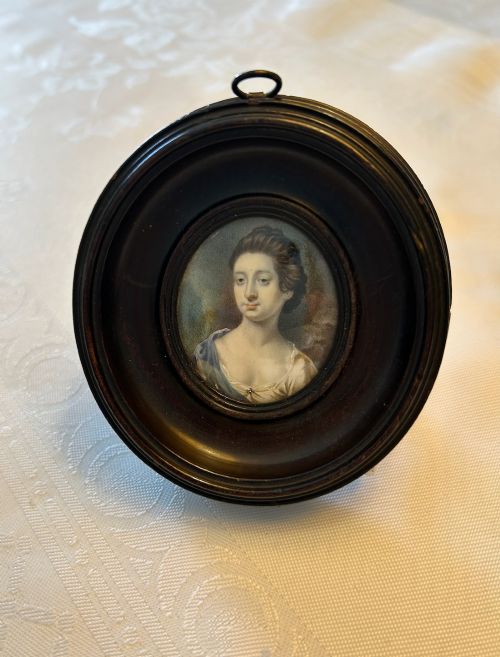
- A small, highly detailed painting, frequently executed in watercolour on paper or vellum, designed to be held or framed. Eighteenth-century examples often appear in dedicated ebonised frames.
- Decorative charger
- A large ornamental plate intended for display rather than dining. These pieces utilise surfaces like cloisonne enamel to showcase complex pictorial designs.
- Carousel panel
- A carved and painted wooden architectural salvage piece sourced from fairground rides. These items display vibrant folk art traditions from the nineteenth and early twentieth centuries.
Round Wall Art: Frequently Asked Questions
How do I hang a heavy alabaster mirror safely?
Alabaster mirrors require robust fixings suited to the specific wall type in your home, such as solid masonry or reinforced studwork. Consult a professional installer to ensure the wall anchor supports the substantial weight of the stone frame.
Position the piece at eye level to balance the room and distribute the visual weight evenly across the wall space. Ensure the hanging wire or integrated brackets match the manufacturer specifications.
How do I care for antique watercolours?
Watercolour paintings on paper require protection from direct sunlight to prevent the pigments from fading over time. Keep them away from high-humidity areas such as kitchens and bathrooms to protect the paper and frame.
Use UV-filtering glass if re-framing the artwork to provide an extra layer of conservation support. Dust the wooden or ebonised frames gently with a dry, soft cloth.
What is a sorcerer's mirror used for?
Sorcerer's mirrors, or convex witch's mirrors, were historically placed in rooms to allow the occupant to monitor a wide area from a single vantage point. Their curved glass creates a unique fish-eye reflection that adds distinct visual depth to a wall.
Today, they serve primarily as decorative accent pieces that catch and scatter ambient light. Hang them alone as a focal point or pair them symmetrically for a balanced display.