
Round Top Side Table
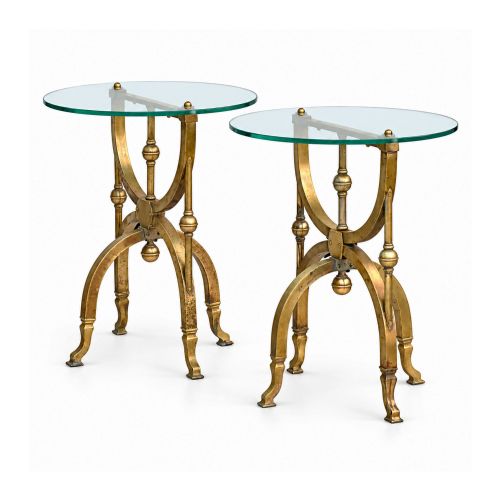
These round top side table pieces offer compact surfaces in mahogany, oak, and walnut, bringing period character and practical charm to any room.
Round Top Side Table
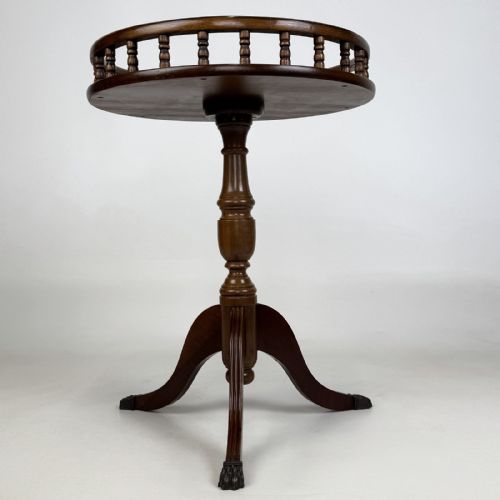
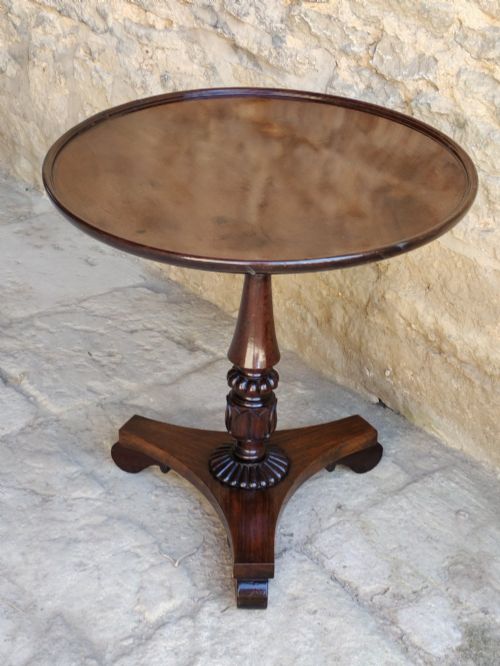
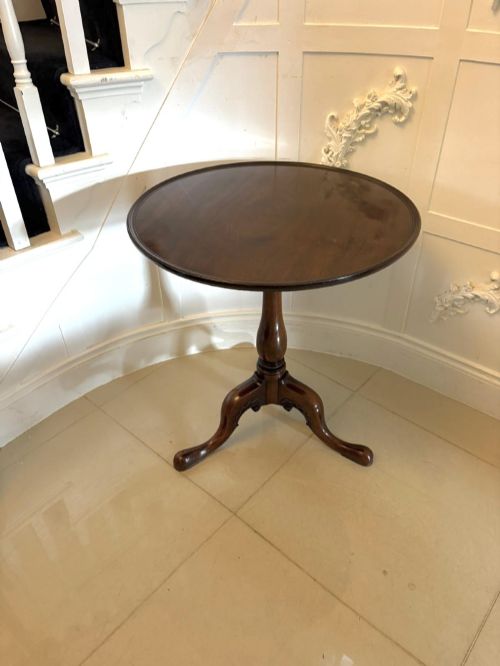
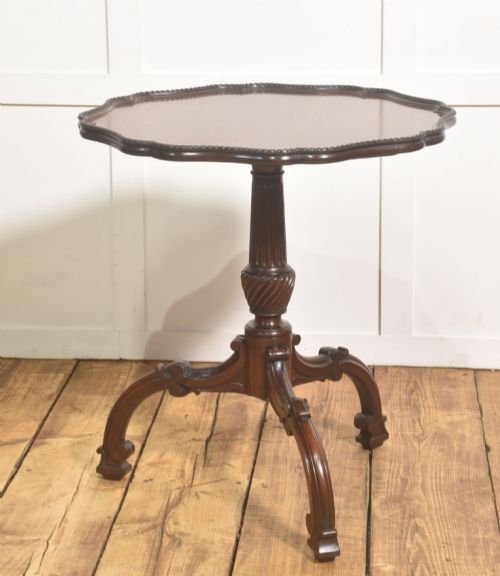
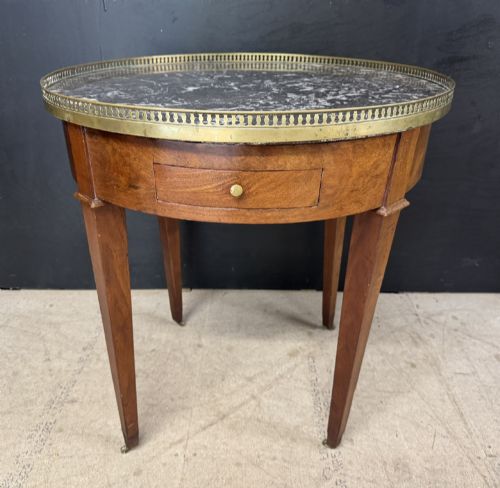
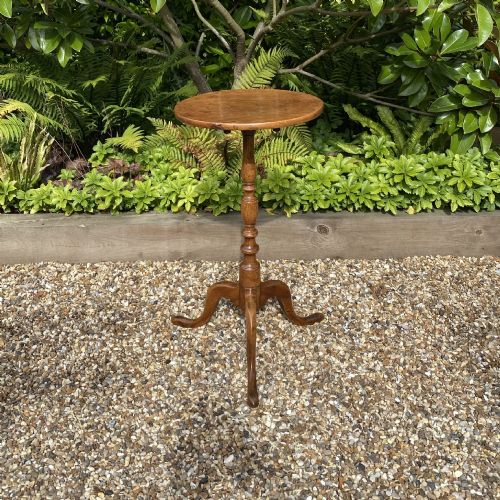
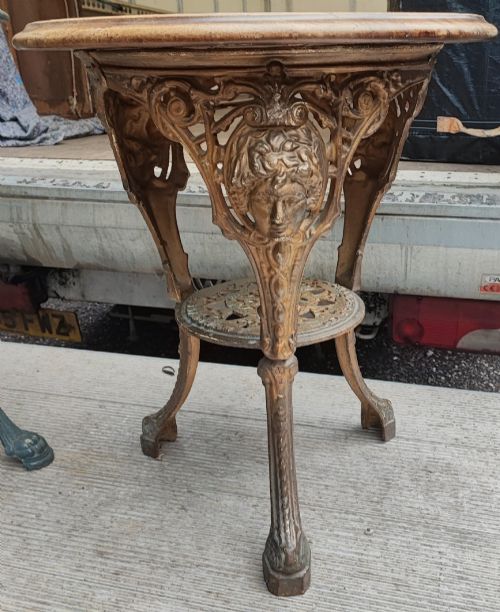
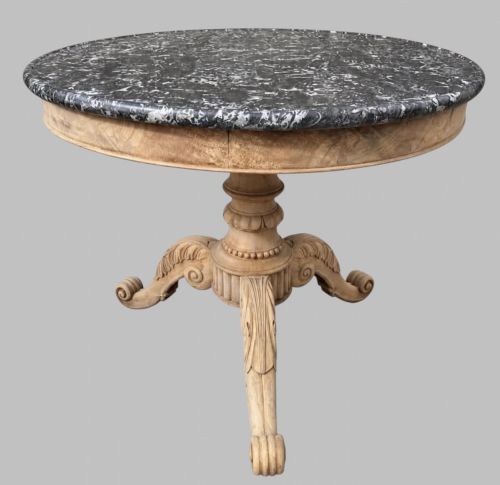
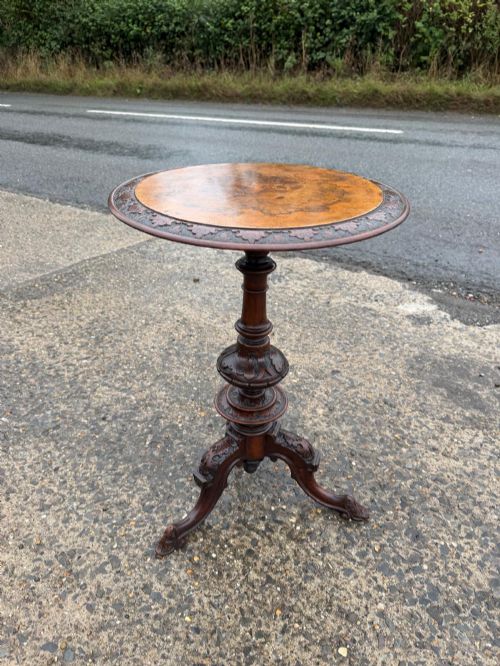
A round top side table serves as a versatile accent surface, appearing primarily in formats such as tripod wine tables, tilt-top occasional tables, and gueridon designs. These pieces date across the Georgian, Victorian, and early twentieth-century periods, reflecting shifting domestic habits from formal dining rooms to intimate parlours.
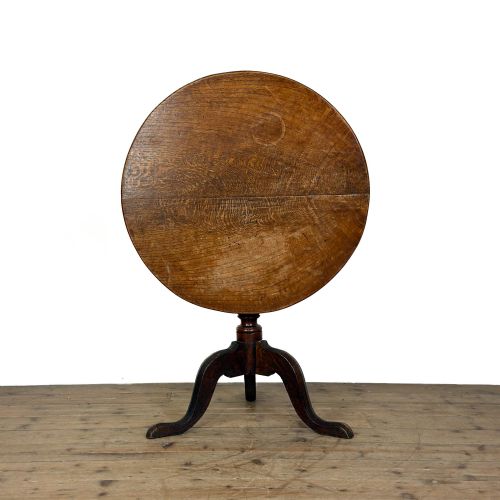
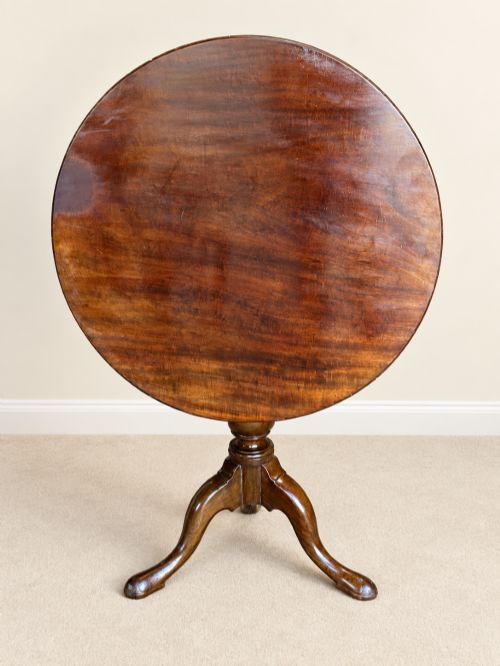
The selection on this page relies heavily on mahogany and oak timber constructions, often featuring single central pedestals supported by tripod legs. Buyers frequently encounter tilt-top mechanisms designed to save space when the table stands against a wall.
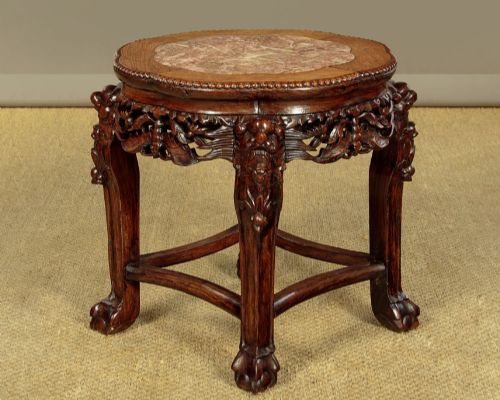
Originating largely from British and French traditions, alongside occasional Chinese lacquer or marble-topped imports, these tables span formal revival styles and sturdy country utility pieces. Each variant provides a compact footprint suited to holding a lamp, a book, or a tea service.
Materials and construction
Cabinetmakers constructed these tables using dense hardwoods including mahogany, walnut, and oak, frequently selecting figured veneers or burr timbers for the top surface to create visual depth. Beech and other secondary woods appear in structural framing and undercarriages.
Tripod bases join to central pedestals through traditional turning and tenon joinery, whilst tilt-top variants utilise clever wooden or brass catches and birdcage mechanisms to allow the surface to fold flat when not in use.
Listings feature mahogany, oak, walnut, and marble surfaces across Georgian, Victorian, and Art Deco periods.
Assessing quality and craftsmanship
Quality rests in the crispness of carved details upon the pedestals and legs, alongside the selection of timber grain on the table top. Superior examples display thoughtful matching of veneers and seamless operation of tilt-top mechanisms without excessive play in the central column.
Proportion defines the better pieces, where the diameter of the round top balances harmoniously with the splay of the tripod legs. Lesser items often show clumsy timber selection or heavy-handed later restorations that obscure the original character.
The Round Top Side Table Glossary
- Tripod table
- A small freestanding table supported by a central pillar above three legs. This construction prevents wobbling on uneven historic floors.
- Tilt-top
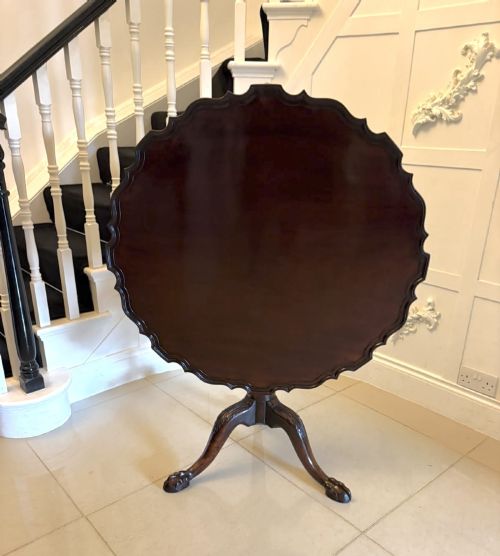
- A hinged table top that rotates to a vertical position. This clever mechanism allows the piece to store flat against a wall when not in active use.
- Gueridon
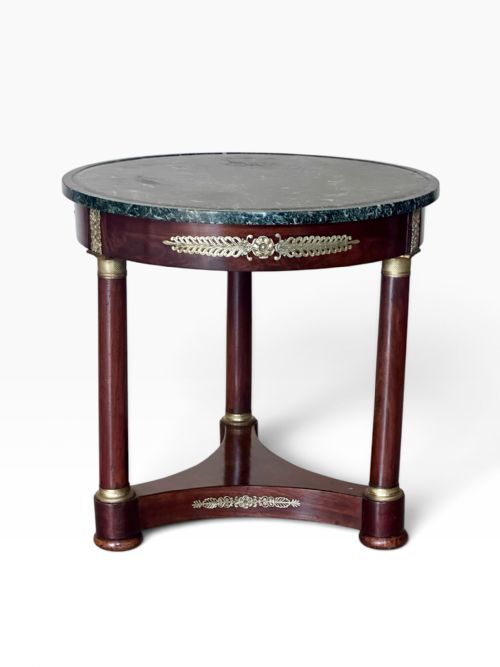
- A French small pedestal table originating in the seventeenth century. These often feature marble or inlaid wooden tops supported by a single column.
- Piecrust edge
- A carved and raised decorative border around the perimeter of a circular table top. The moulded rim resembles traditional pastry work.
- Cricket table
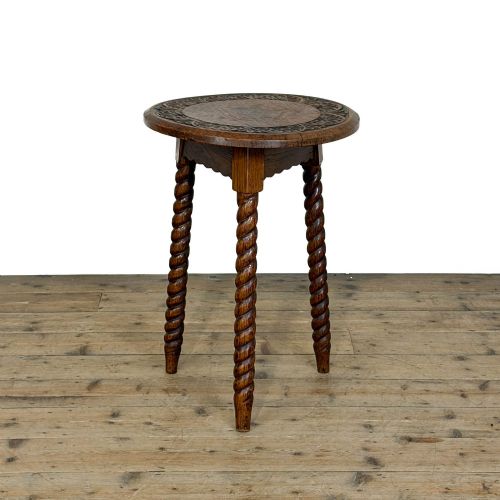
- A small wooden three-legged table with a round top. The design derives from early vernacular English utility furniture.
Round Top Side Table: Frequently Asked Questions
What is a tilt top table used for?
These tables served as portable surfaces for tea drinking or reading in grand reception rooms. When the meal or evening concluded, owners folded the surface upright to clear the floor.
Today, they function as flexible accent pieces in sitting rooms. Their folding tops allow them to double as sculptural wall decoration when not holding a lamp or drink.
How do I style a round side table?
Place a tripod table beside a favourite armchair to hold a reading lamp or a small stack of books. Their circular footprints soften rectilinear room layouts and fit neatly into awkward corners.
Keep the arrangement simple to let the timber grain or carved pedestal remain visible. Avoid overcrowding the small surface with too many decorative objects.
Are these tables sturdy enough for daily use?
Tripod bases provide surprising stability on even surfaces, though their light weight means they suit gentle domestic placement rather than heavy leaning. The central pillar distributes weight evenly down through the three splayed legs.
Checking the tightness of the central joint ensures the table remains firm. Most examples easily support everyday items like drinks, small lamps, and decorative bowls.
How do I identify a Georgian table?
Look for dense Cuban mahogany, understated tripod legs ending in pad or snake feet, and construction methods utilising hand-cut joinery. Georgian makers prioritised balanced proportions and functional elegance over excessive ornamentation.
Tilt-top mechanisms from this era often employ simple wooden catches rather than complex metal engineering. The patina accumulated over centuries gives the timber a warm, soft glow.