




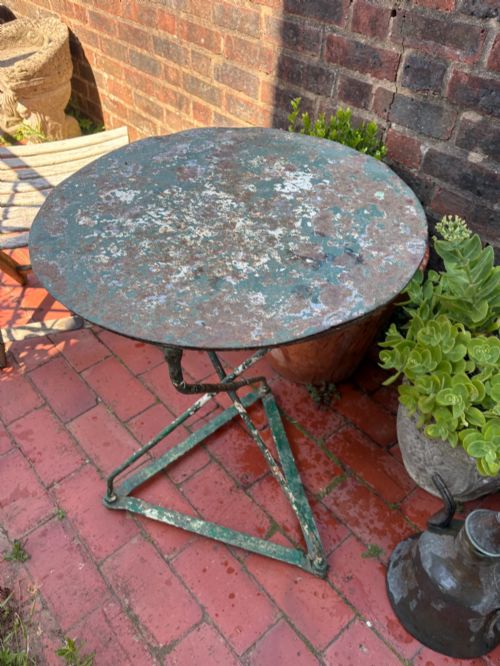


Round Top Plant Stand
These round top plant stand pieces are decorative circular supports designed to elevate flora or display ornaments within traditional interiors.
Round Top Plant Stand
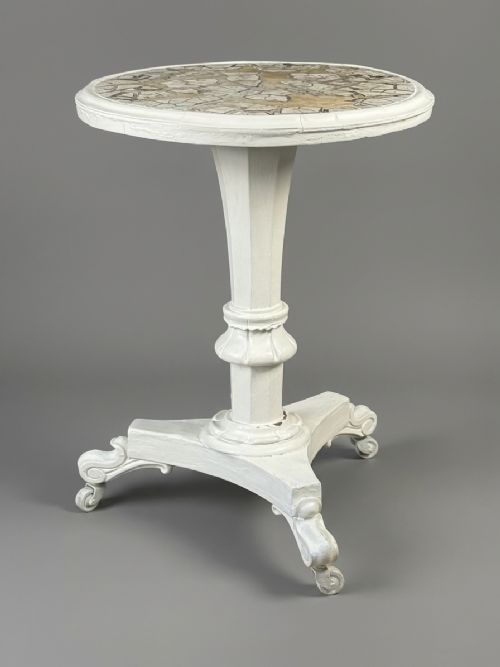
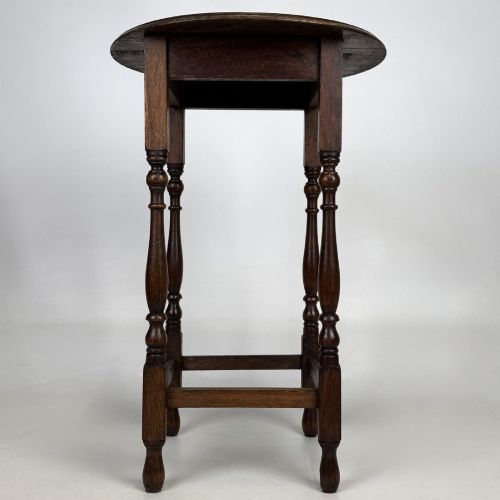
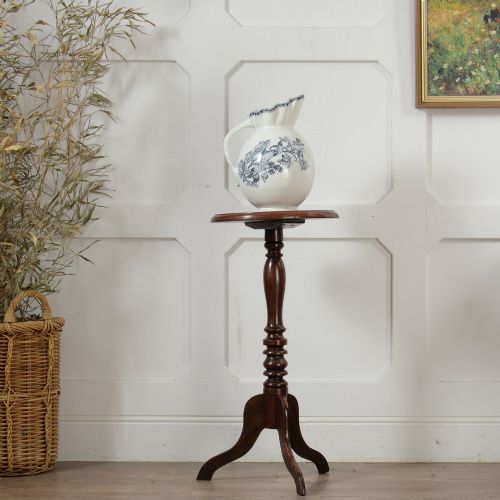
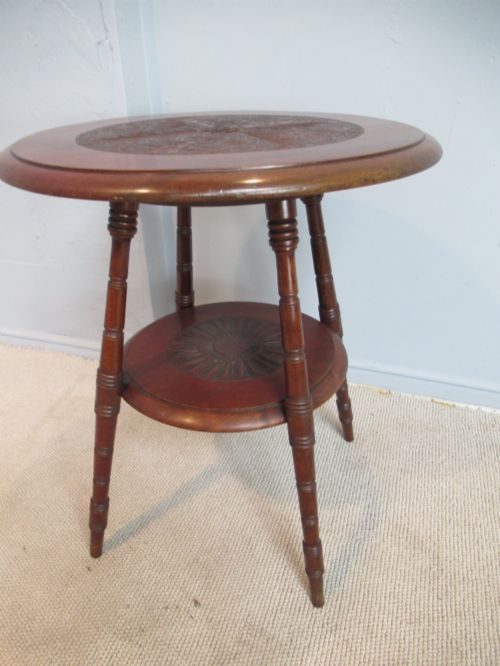
When you search for a round top plant stand, you encounter a variety of circular display tables and elevated pedestals spanning the nineteenth and early twentieth centuries. These pieces originate from distinct decorative traditions, ranging from English mahogany occasional tables to French giltwood designs and Chinese marble top stands.
The forms you are most likely to meet on this page include tripod wine tables, small side tables, low stools, and dedicated vase stands. They serve primarily as compact surfaces for botanical displays, lamps, or ornaments in period rooms.
Materials and construction
The construction relies heavily on traditional timber framing, utilising dense domestic and exotic hardwoods such as mahogany and oak alongside decorative elements of giltwood, brass, and cast iron. Master artisans shaped these structures using sustainable turning, joinery, and carving techniques suited to circular tabletops and pedestal bases.
Many surfaces incorporate inset stone or ceramic panels, specifically polished marble and onyx, fitted securely into wooden frames. Details such as wood inlay, flower mouldings, and canework demonstrate the breadth of craftsmanship applied to domestic display furniture across different periods.
Round Top Plant Stand Retail Price Guide 2026
Typical asking prices for round top plant stand among the pieces listed under this phrase on Sellingantiques today, from the lower quarter to the upper quarter. They describe what is for sale here now, not the wider market.
Several tables appear designed specifically to hold wine glasses securely within a dish top before evolving into dedicated stands for heavy potted ferns.
Distinctions in quality
Quality separates pieces through the selection of materials and the execution of structural joinery rather than mere age. Finer examples display superior timber selection with rich grain patterns, stable tripod or pedestal foundations, and crisp, hand-carved mouldings.
Decorative refinement distinguishes the top tier of the range, visible in carefully fitted marble tops, precise wood inlay, and well-preserved gilding on brass or giltwood supports. Simpler utility items rely on plain oak or painted cast iron with functional, unadorned surfaces.
The Round Top Plant Stand Glossary
- Tripod table
- A small freestanding table supported by three legs radiating from a central pillar. This form provides stable balance on uneven floors.
- Gueridon
- A small French round table supported by one or more columns. The design originated in the seventeenth century and persisted through various revival periods.
- Dish top
- A tabletop featuring a raised, carved rim designed to prevent items from sliding off. It is commonly found on eighteenth and nineteenth-century wine tables.
- Occasional table
- A small, movable table intended for specific, intermittent use within a room. These versatile pieces function easily as lamp or plant stands.
- Inlay
- A decorative technique where pieces of contrasting material are inserted into depressions in a wooden base. This method creates flat patterns across tabletops.
Round Top Plant Stand: Frequently Asked Questions
What is a round top plant stand used for?
These elevated circular tables were traditionally manufactured to hold heavy porcelain planters, potted ferns, or decorative vases off the floor. Raising plants protected delicate floor surfaces from moisture and brought greenery closer to window light.
Today, collectors frequently utilise these versatile surfaces beside seating areas for lamps, books, or small decorative objects. Their compact footprint makes them suitable for empty corners and narrow hallways.
How do I tell Victorian pieces apart?
Victorian examples generally feature dense timbers like mahogany or oak, often paired with heavy turned pedestals and tripod legs. Stylistic details lean toward robust carving or simple, functional domestic designs.
Later Edwardian and early twentieth-century pieces often incorporate lighter woods, simpler silhouettes, or revival influences such as Louis XVI or Regency styles. Examining the turning style and timber finish helps clarify the period of production.
Are marble top stands durable?
Inset marble and onyx tops provide a sturdy, cool surface that naturally resists water damage from potted plants. The heavy stone also adds beneficial weight to the base, improving overall stability.
Care must be taken to protect the polished stone from acidic spills and heavy impacts that could cause chipping. Regular dusting and occasional gentle cleaning keep the surface in good condition.
How do I place one in a modern room?
A small circular pedestal table fits easily beside an armchair or sofa, providing a convenient resting place for a cup or reading light. Pairing the table with a trailing plant highlights its original intended function.
The varied heights and materials, from dark mahogany to painted cast iron, allow these stands to serve as focal points in minimalist or eclectic interiors.