



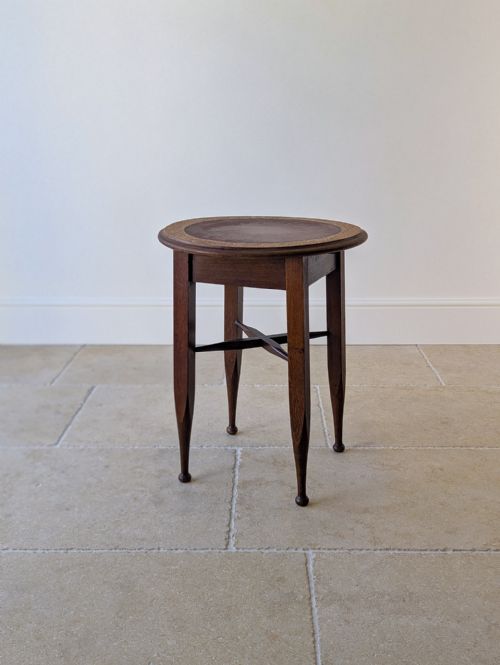
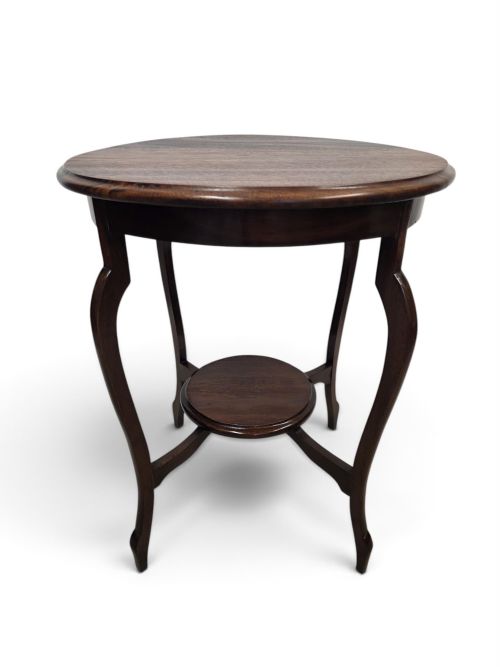
Round Plant Stand
A round plant stand serves as a raised stage for greenery, bringing foliage to eye level through timber and metal work.
Round Plant Stand
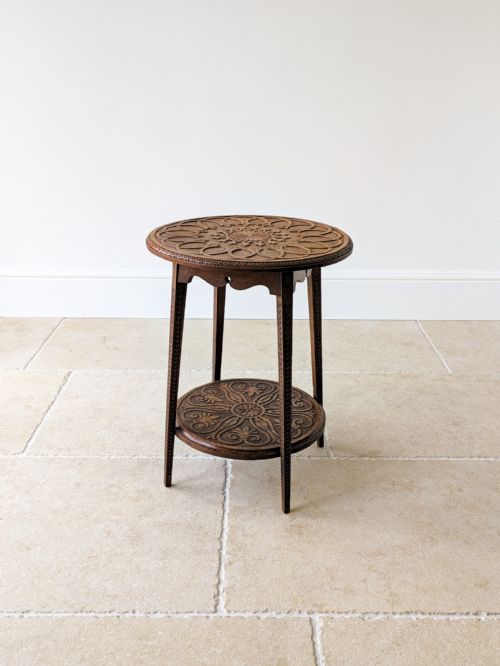
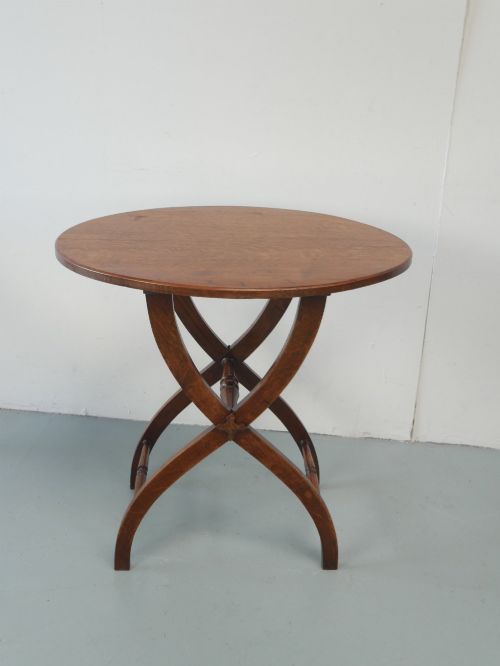
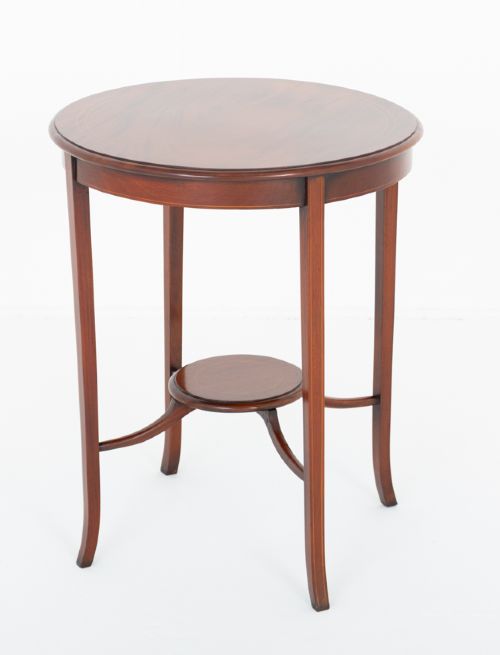
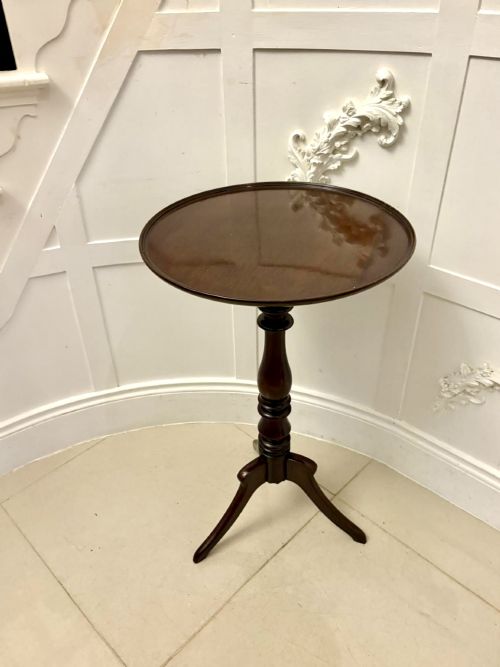
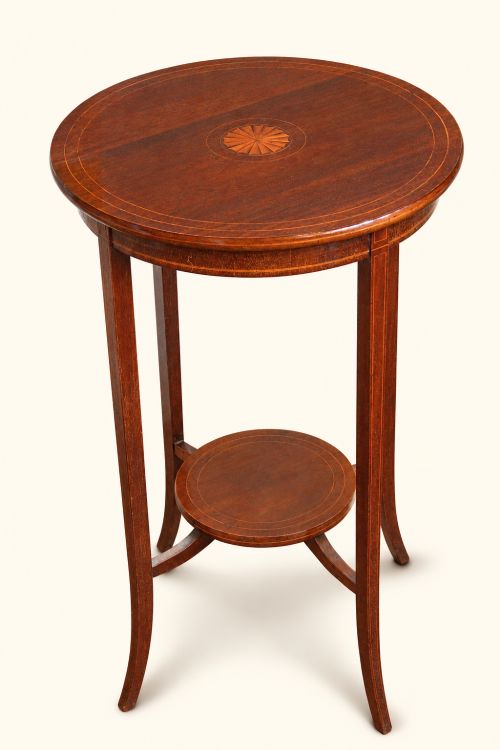
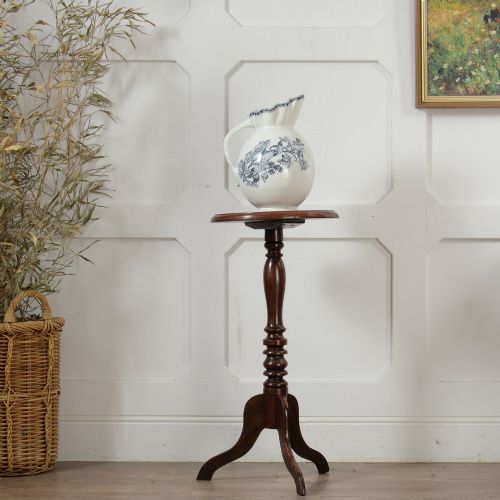
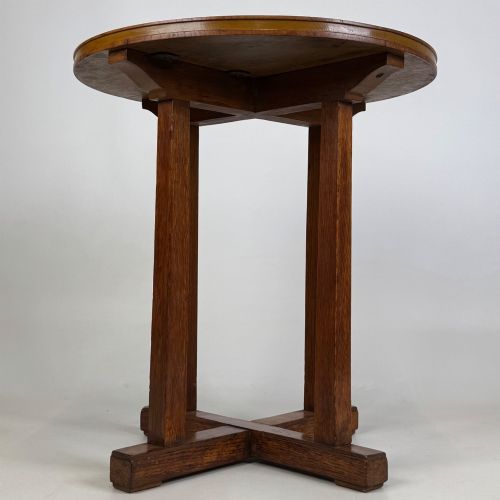
A round plant stand functions as a dedicated circular platform for botanical displays within a room, lifting pots off the floor. When searching for a round plant stand, buyers encounter various forms including occasional tables, stools, pedestals, and planters dating from the nineteenth and twentieth centuries.
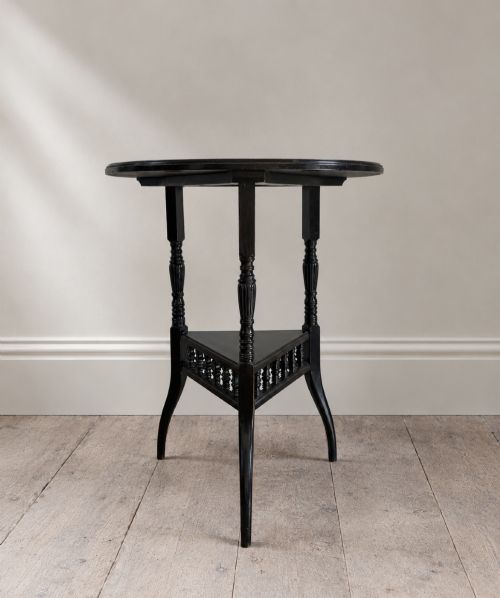
The pieces appearing on this page span the Victorian, Edwardian, and Art Deco eras, alongside French Empire and Arts and Crafts styles. Oak, mahogany, and cast iron frequently form the framework of these stands.
Origins stretch across English, French, and Far Eastern workshops, offering everything from simple tripod bases to ornate marble-topped pedestals.
How they were made
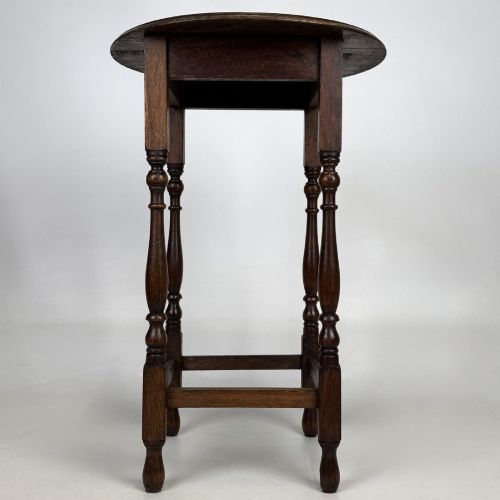
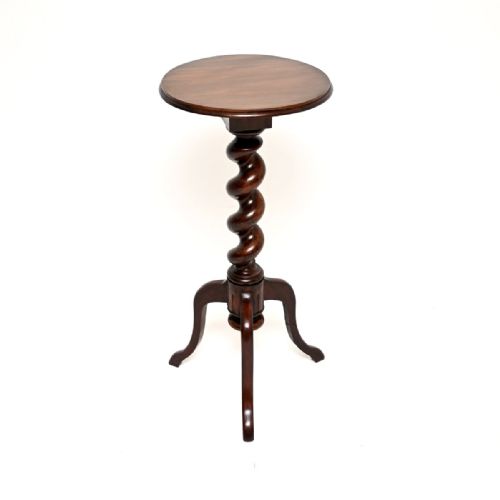
Cabinetmakers utilised dense timbers such as mahogany, oak, walnut, and rosewood, shaping them into turned barley twist columns, carved tripod legs, and circular tops. Joinery methods relied on traditional pegging, turning, and occasional inlay.
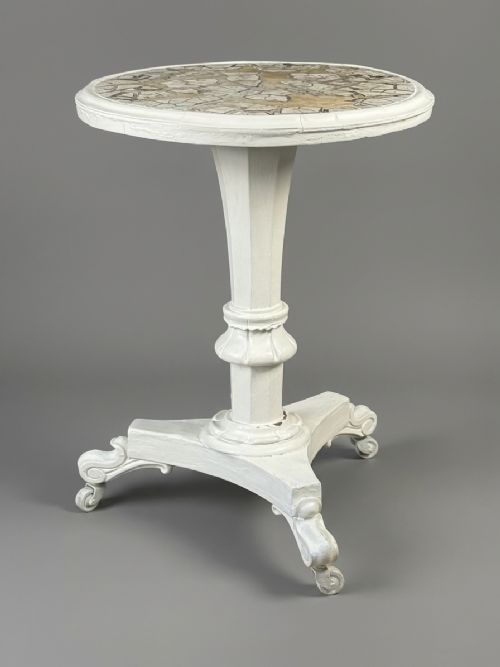
Metal elements incorporate brass, ormolu mounts, and cast iron, particularly on French gueridons and weathered structural plant holders. Stone tops feature inset marble and onyx slabs fitted directly into wooden or gilt frames.
Round Plant Stand Retail Price Guide 2026
Typical asking prices for round plant stand among the pieces listed under this phrase on Sellingantiques today, from the lower quarter to the upper quarter. They describe what is for sale here now, not the wider market.
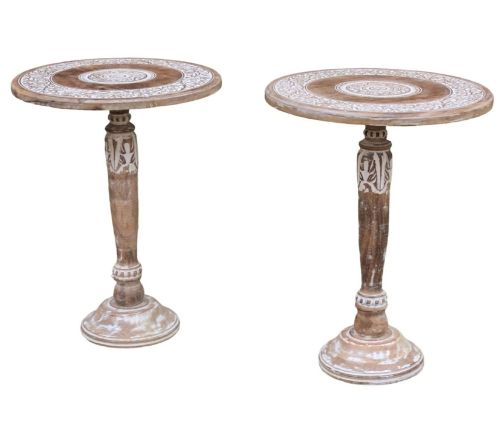
Several stands double as elephant tables, supporting circular tops with carved trunks from the Bombay presidency.
What varies in quality
The standard of carving and turning distinguishes simpler utilitarian stands from finely worked pieces, such as those bearing hand-carved dragon motifs or intricate floral mouldings. Crispness in the grain of the mahogany or oak and the stability of the tripod or pedestal base dictate the integrity of the construction.
Surface finishes range from simple painted wood and weathered cast iron to highly polished walnut and mahogany with well-preserved patination. The integration of auxiliary materials, such as fitted marble tops or gilt bronze ormolu mounts, elevates the execution.
Liberty of London
The Round Plant Stand Glossary
- Tripod table
- A small circular table supported by three legs branching from a central pillar. This form provides steady balance on uneven floors.
- Gueridon
- A small French round table supported by a column or legs, often designed for holding lights or decorative objects. Examples frequently utilise marble tops and gilt mounts.
- Barley twist
- A spiral turning resembling a twisted barley stalk, used extensively on table stems and pillar supports during the Victorian period. It adds dynamic visual movement to vertical timber members.
- Ormolu
- Gilded bronze mounts applied to furniture for decorative effect. The technique involves fusing gold onto a bronze base.
- Dish topped
- A circular table top with a raised raised concave rim turned directly from the solid timber. This feature prevents items from sliding off the edge.
Round Plant Stand: Frequently Asked Questions
What is a round plant stand used for?
These pieces hold potted plants, ferns, and sculptural vases to display them at a convenient height in living spaces. They lift heavy pots away from floor dampness.
Beyond botany, smaller variants double as lamp tables, wine tables, or occasional surfaces next to seating.
How do I identify Victorian examples?
Victorian stands typically feature heavy mahogany or walnut construction, often incorporating turned barley twist stems or carved tripod legs. Darker wood tones and substantial proportions define the era.
Makers of this period favoured functional stability combined with decorative carving on the table edges and pillar bases.
Where were marble top stands made?
Marble top circular stands frequently originate from nineteenth-century French workshops, including French Empire and gueridon styles. These pieces often pair stone or onyx inserts with gilt column supports or painted cast iron.
English makers also produced stone-topped occasional tables, though timber tops remain more common across domestic output.
How do I care for wooden plant stands?
Protect the timber surface by placing saucer bases beneath wet plant pots to prevent water rings and moisture damage to the polish. Regular dusting preserves the natural grain of mahogany and oak.
Keep the stands away from direct heat sources and sudden temperature shifts to prevent timber splitting or warping.