



Round Nightstand
These round nightstand antique pieces offer compact storage beside the bed, bringing timber and marble surfaces from the nineteenth century into modern bedrooms.
Round Nightstand
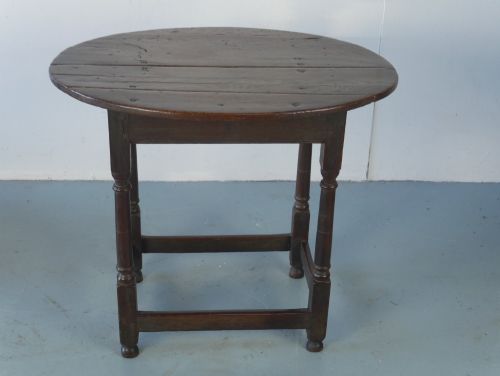
When searching for a round nightstand antique, a buyer encounters small cylindrical cabinets and circular tables designed for the bedside. These pieces emerge primarily from the nineteenth century, the Victorian era, and the nineteen-twenties.
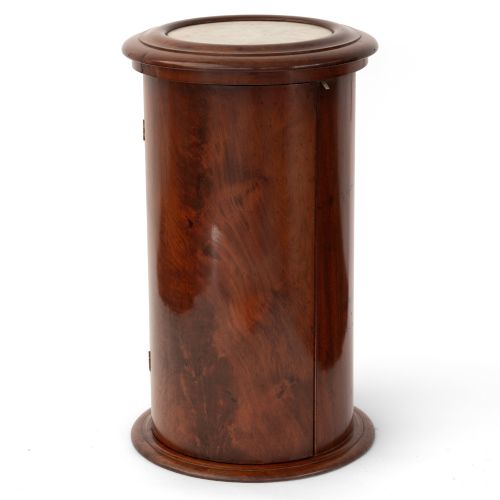
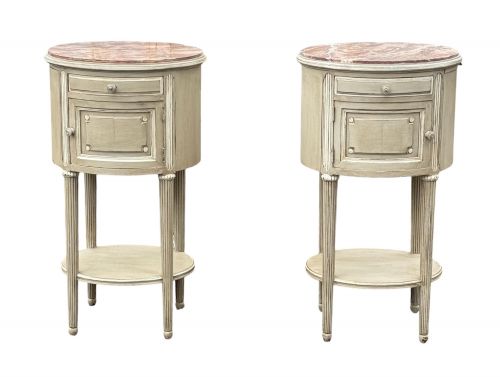
The common forms include bedside cabinets with marble tops, drum-shaped tables, and cylindrical cupboards. Makers from this span built them to hold chamber lighting and small personal items within easy reach.
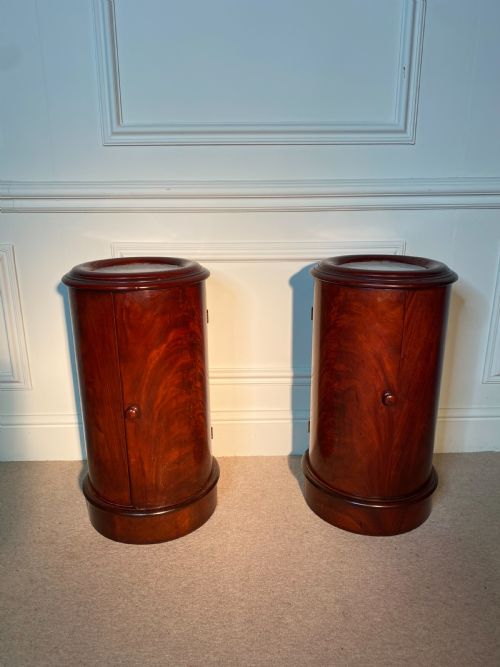
French and English origins dominate the selection, often taking the shape of pedestal cupboards or tiered side tables. Many survive in pairs, offering matched bedside storage.
How they were made
Cabinet makers utilised dense hardwoods such as mahogany, walnut, and kingwood to construct the curved bodies of these bedside cupboards. Veneers were often laid over core timbers to create smooth cylindrical facades.
Marble slabs were fitted to the tops of many nineteenth-century cabinets to provide a durable, wipe-clean surface resistant to water. Ormolu, gilt bronze, and brass mounts frequently accent the corners and door surrounds.
Some examples feature hand-painted wooden finishes, whilst others rely on intricate marquetry and inlay work to decorate the curved timber doors and sides.
Round Nightstand Retail Price Guide 2026
Typical asking prices for round nightstand among the pieces listed under this phrase on Sellingantiques today, from the lower quarter to the upper quarter. They describe what is for sale here now, not the wider market.
The listings show pieces spanning the nineteenth century through the nineteen-thirties, utilising mahogany, walnut, kingwood, marble, and brass.
What varies in quality
The standard of timber selection and veneer matching defines the upper tier of these circular cabinets. Grain alignment around curved doors requires precise carpentry that separates master workshops from standard production.
The weight and thickness of the fitted marble tops indicate quality, alongside the crispness of cast ormolu and brass mounts. Superior pieces retain original hardware and smoothly operating internal shelving.
The Round Nightstand Glossary
- Cylindrical
- Built with a round, straight-sided tubular form. This shape allows the bedside cabinet to fit neatly into tight bedroom spaces.
- Ormolu
- Gilt bronze mounted on furniture or decorative objects. It provides a bright metallic contrast against dark timbers like mahogany and walnut.
- Kingwood
- A dense, richly figured timber often used in veneers. Cabinet makers favoured its distinct grain patterns for decorative inlay work.
- Marquetry
- The art of applying pieces of veneer to a structure to form decorative patterns. It appears on the curved doors of French bedside cabinets.
- Drum Table
- A circular table with a deep skirt containing drawers or dummy drawers. These often stand on a central pedestal base.
Round Nightstand: Frequently Asked Questions
What are round nightstand antique pieces?
These are small circular cabinets and tables designed for bedside use during the nineteenth and early twentieth centuries.
They provide compact storage and display surfaces, often featuring cylindrical wooden bodies and stone tops.
How were they used historically?
Bedside tables and cabinets held chamber lamps, water pitchers, and night-time necessities within arm's reach of the bed.
Enclosed cupboards kept personal items hidden from view, maintaining a tidy bedroom appearance.
How do I live with one?
Their compact circular footprint allows them to fit easily beside modern beds without dominating the floor space.
Marble-topped versions offer practical surfaces that resist moisture from drinking glasses and bedside lamps.
How do I tell periods apart?
Victorian and nineteenth-century pieces often combine mahogany with heavy marble slabs and simple column details.
Nineteen-twenties and Art Deco examples tend to utilise lighter woods, French kingwood, and painted finishes with geometric influences.