


Rotating Tier Table
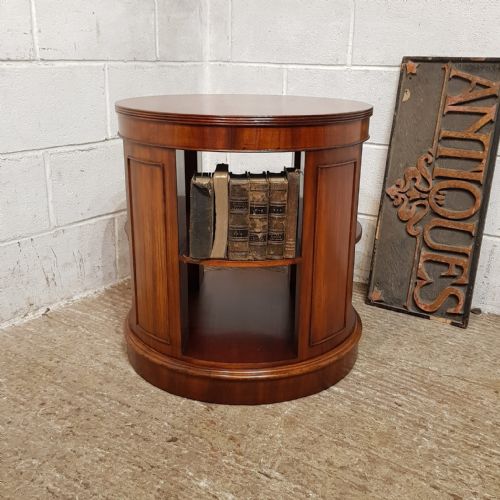
A rotating tier table offers tiered surfaces or revolving tiers that turn smoothly to bring books or serving dishes close.
Rotating Tier Table
When you search for a rotating tier table, you encounter revolving bookcases, dumb waiters, and lazy susans spanning the Georgian, Victorian, and Edwardian periods. These pieces serve functional roles in libraries and dining rooms by providing accessible tiers that spin on central pivots.
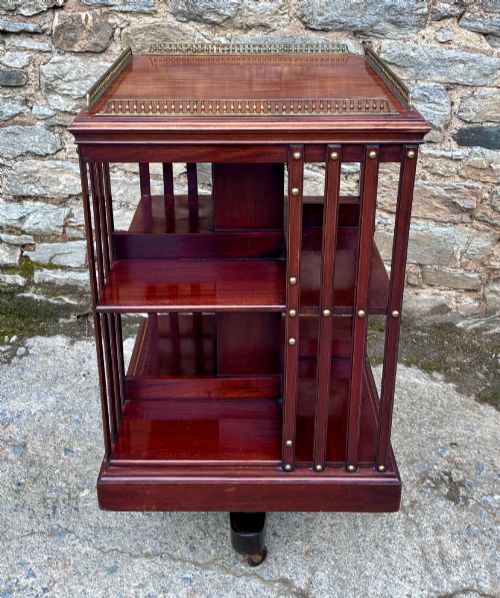
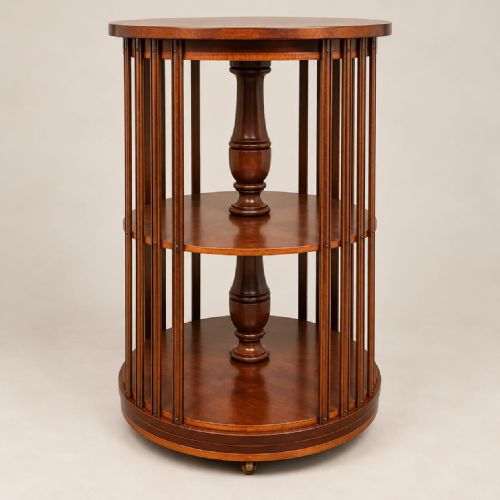
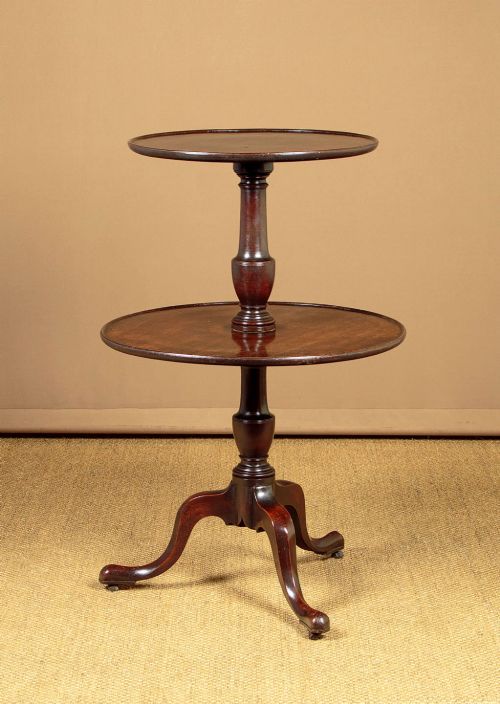
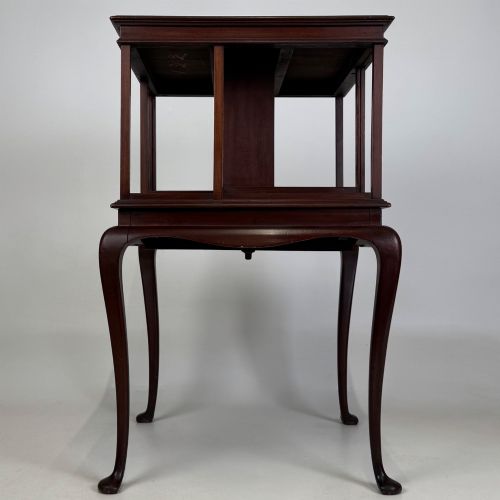
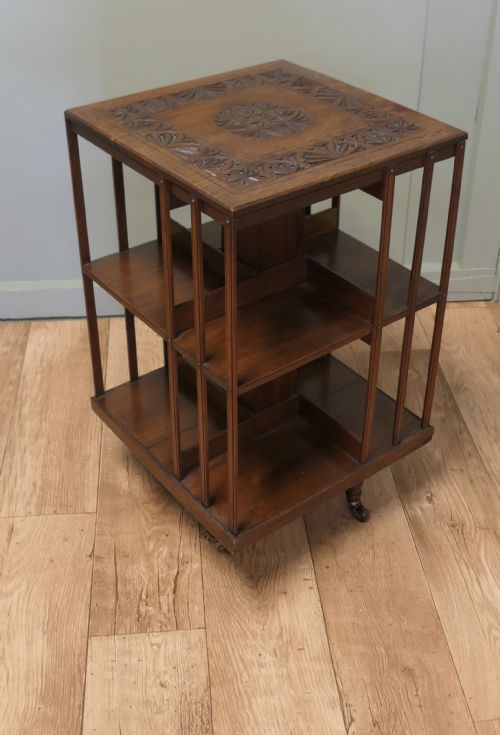
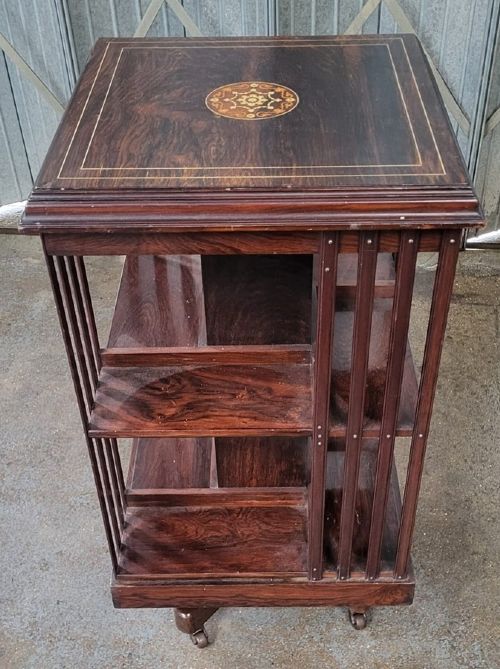
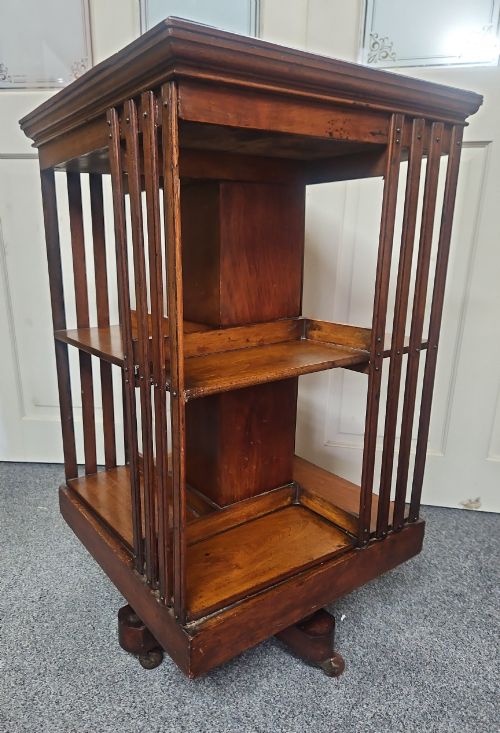
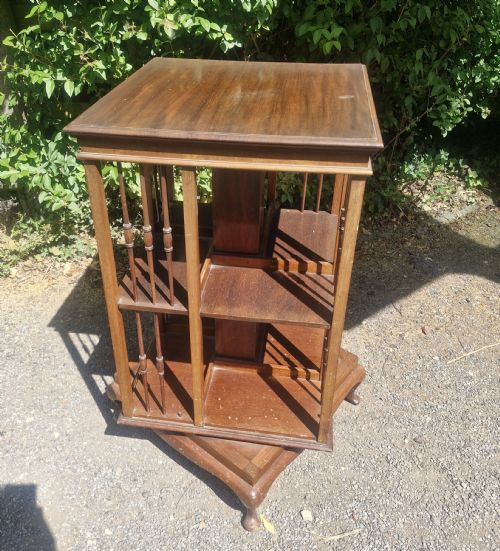
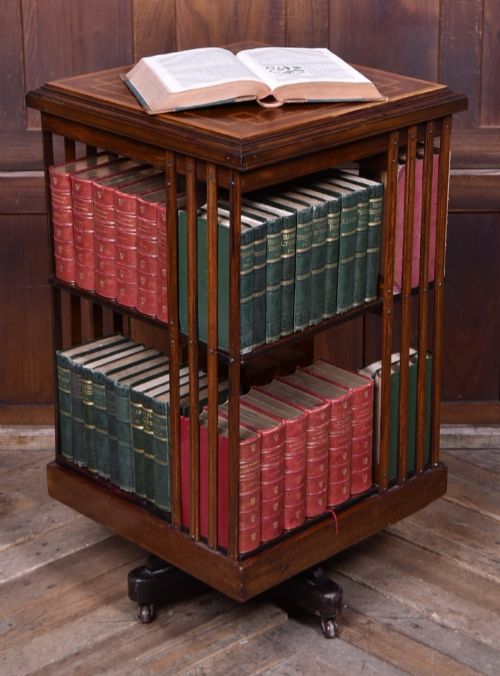
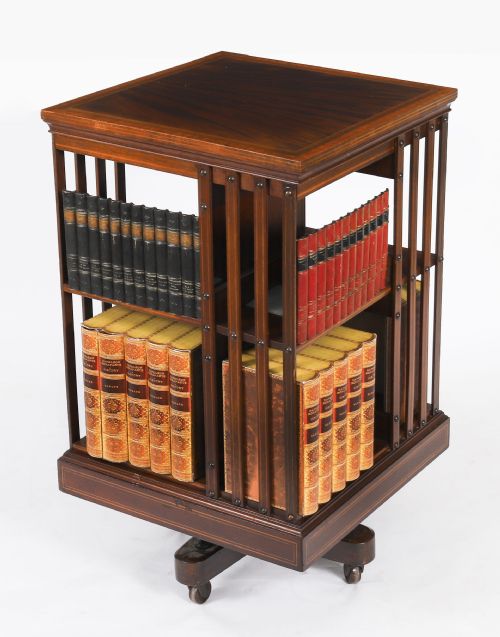
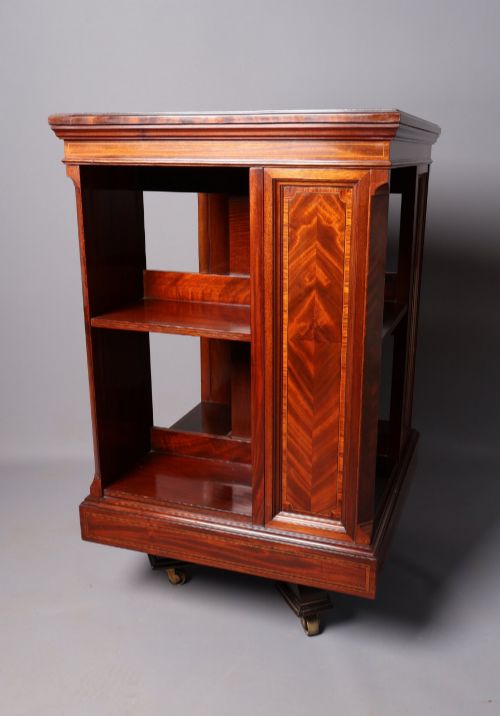
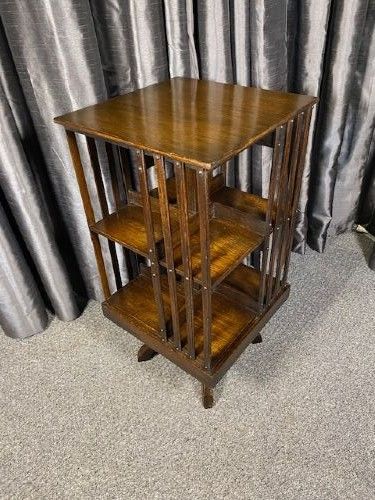
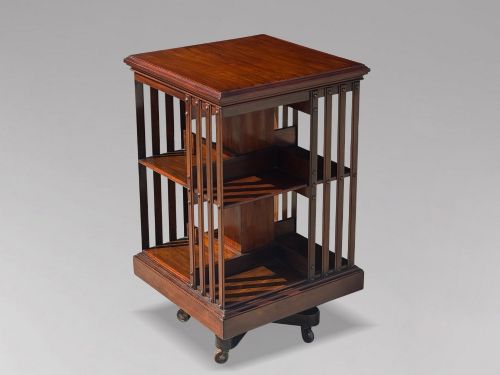
The most common examples on this page are Edwardian and Victorian mahogany revolving bookcases, often featuring multiple slatted tiers. Alongside these, Georgian dumb waiters present graduated tiers designed for holding dining provisions.
How they were made
Cabinet makers relied predominantly on mahogany, rosewood, oak, and satinwood, frequently selecting timber with pronounced grain patterns or flame figuring. Inlaid decoration in contrasting woods adds fine detail to the surfaces.
Internal mechanisms incorporate brass and iron components to ensure smooth rotation across multiple tiers. Structural framing often utilises sturdy turned columns and stable tripod or cruciform bases.
Rotating Tier Table Retail Price Guide 2026
Typical asking prices for rotating tier table among the pieces listed under this phrase on Sellingantiques today, from the lower quarter to the upper quarter. They describe what is for sale here now, not the wider market.
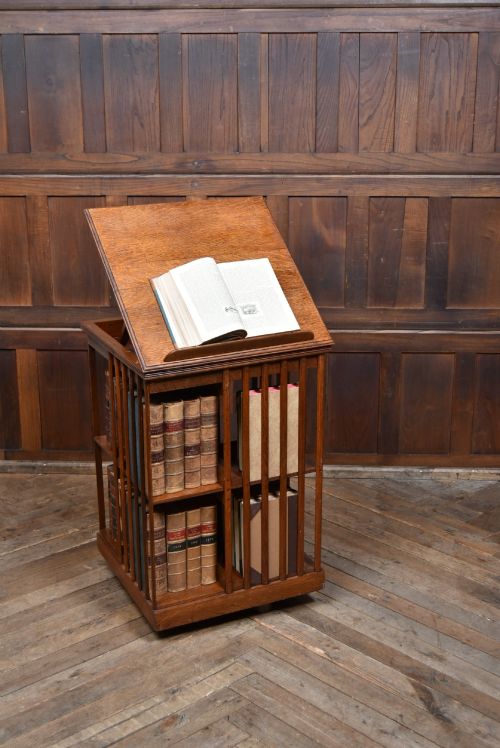
A revolving bookcase lets you spin your entire library with a single push when you cannot decide which book to read.
What varies in quality
The sophistication of the timber selection distinguishes finer examples, particularly those employing figured mahogany, kingwood, or detailed satinwood inlay. Finer pieces demonstrate precision in the turning of columns and the smoothness of the internal rotating mechanism.
Secondary materials such as ormolu mounts, brass inlays, and marble tops elevate certain pieces beyond standard utilitarian library or dining furniture. Proportion and stability across multiple revolving tiers also indicate the standard of original craftsmanship.
Maple and Co
The Rotating Tier Table Glossary
- Dumb waiter
- A tiered freestanding piece of dining room furniture designed to hold food or tableware without the aid of servants. These typically feature graduated circular trays on a central column.
- Revolving bookcase
- A freestanding tiered bookcase mounted on a hidden pivot mechanism allowing it to spin freely. This form became especially popular during the Edwardian period for desktop or floor placement.
- Lazy susan
- A revolving tray or tabletop accessory placed on a table to assist with passing food. Nineteenth-century examples often incorporate multiple rotating tiers in mahogany.
- Ormolu
- Gilded bronze mounts applied to furniture for decorative effect. This technique appears on nineteenth-century pieces alongside kingwood and mahogany.
- Satinwood
- A durable exotic timber with a lustrous golden sheen used extensively for stringing and decorative inlay work on Edwardian tables.
Rotating Tier Table: Frequently Asked Questions
How do you use a dumb waiter?
A dumb waiter stands beside a dining table to hold dishes, glasses, or serving utensils during a meal. The graduated tiers allow hosts to keep items close at hand without requiring extra table space.
Historically, these pieces served dining rooms where guests preferred fewer attendants during private meals. Today, they function well for display or as occasional side tables in living spaces.
What is a revolving bookcase used for?
A revolving bookcase holds a collection of volumes within arm reach while occupying minimal floor space. The rotating mechanism lets readers access different sides of the shelving unit without moving.
These pieces suit studies, libraries, and corners where traditional rectangular bookcases prove impractical. The top surface often doubles as a display area for small decorative objects.
How do I identify a Georgian dumb waiter?
Georgian dumb waiters from the eighteenth century typically feature two or three graduated circular trays mounted on a sturdy pillar and tripod base. The timber used is most commonly solid mahogany with simple turned supports.
Later Victorian and Edwardian interpretations often introduce more elaborate inlays or differing tier configurations. Examining the joinery and timber age helps confirm the Georgian origin.
Are these tables heavy to turn?
Most antique revolving tables rely on internal brass or iron pivot mechanisms designed for smooth movement. When well maintained, the tiers spin with minimal effort despite holding heavy books or items.
Heavier pieces with marble tops or multiple loaded shelves may require a firmer push. The quality of the central bearing dictates how freely the tiers rotate.