




Rosewood Side Table Castors
Rosewood side table castors roll beneath elegant occasional tables, sofa tables, and work tables from the Regency and Victorian periods.
Rosewood Side Table Castors
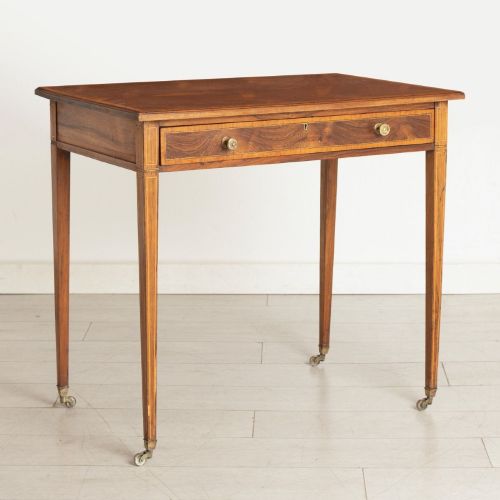
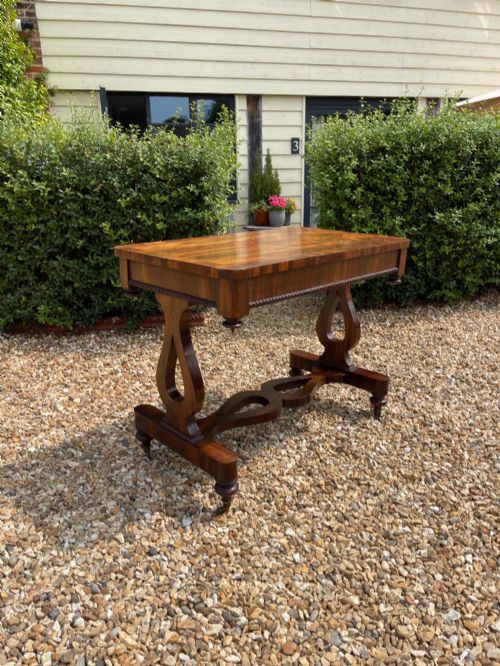
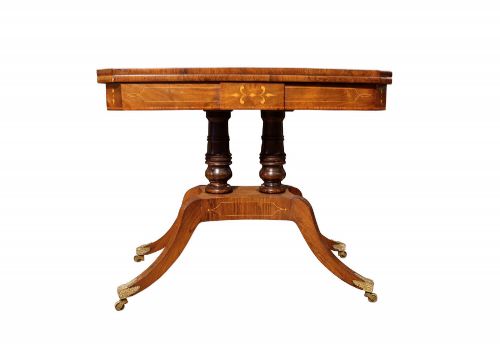
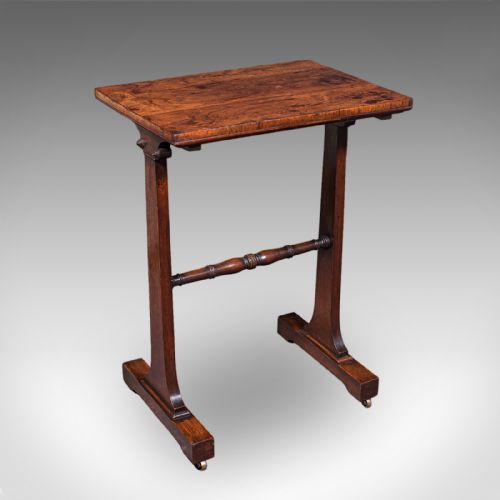
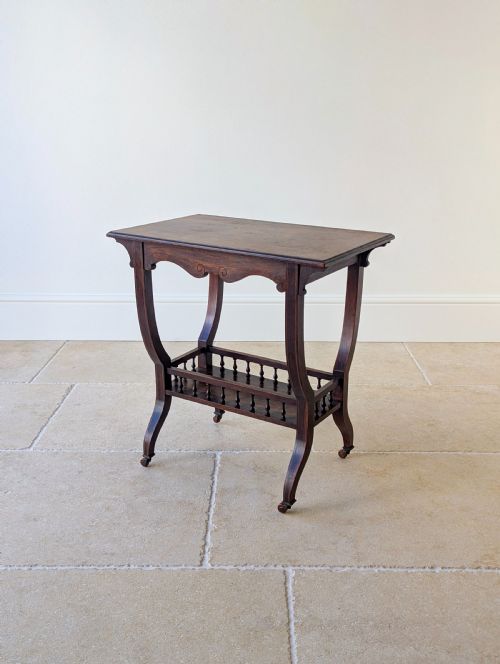
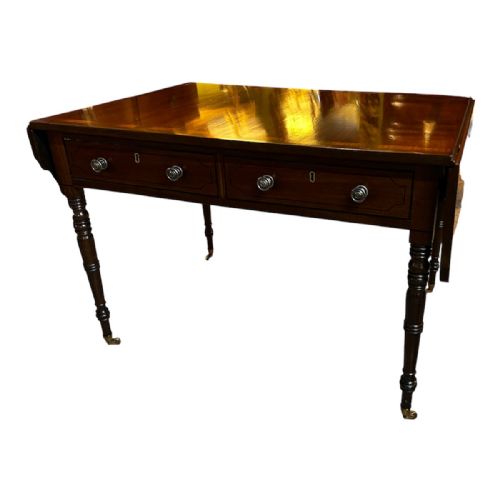
When you search for rosewood side table castors, you encounter small tables supported by tiny brass wheels that allow the furniture to move across a room. These pieces appear in forms such as sofa tables, card tables, and etageres.
The selections span the Regency and Georgian eras through to the Edwardian period, with many examples originating in the nineteenth century. These tables served practical functions in morning rooms, libraries, and parlours.
Most items combine rosewood with brass castors and sabots, occasionally featuring boxwood or satinwood inlay. The smaller formats function readily as lamp tables, end tables, or wine tables beside seating.
Judging quality and craftsmanship
Quality rests on the choice of figured timber veneers and the crispness of any inlay work. Finer examples display harmonious proportions in drop-flap mechanisms and sturdy, original brass fittings.
The integration of the castor mountings into the table legs reveals the skill of the maker. Tables that retain matching brass sabots and smoothly operating wheels demonstrate superior original manufacture.
Some nineteenth-century tables were built unusually small so they could roll out of the way before tea was served.
Gillows of Lancaster·Mallett
The Rosewood Side Table Castors Glossary
- Castor
- A small swiveling wheel attached to the bottom of a furniture leg to permit rolling movement. These brass fittings often accompany nineteenth-century tables.
- Sabot
- A protective metal sleeve fitted over the foot of a furniture leg. They frequently appear in polished brass alongside the wheel mechanisms.
- Etagere
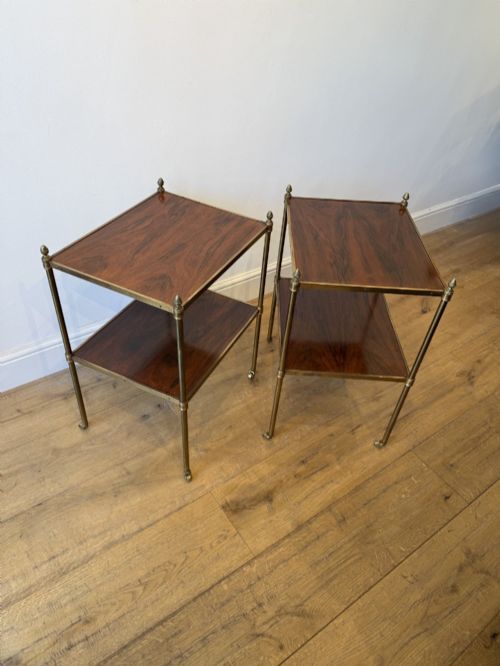
- An open piece of furniture with multiple tiers for displaying small objects or books. Examples here include two-tier formats in rosewood.
- Sofa table
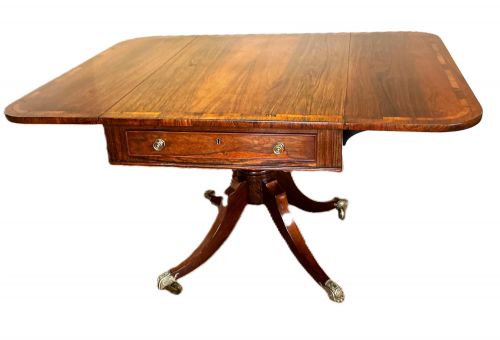
- A rectangular table designed to stand in front of a sofa, typically featuring drop leaves on either side. These often incorporate brass castors for easy repositioning.
- Work table
- A small table equipped with drawers or compartments for needlework and sewing implements. Regency models frequently feature rosewood construction.
Rosewood Side Table Castors: Frequently Asked Questions
How do I identify a Regency table?
Regency tables date from the early nineteenth century and often feature dark rosewood veneers, brass sabots, and clean classical lines. Many include drop leaves or pedestal bases.
Craftsmen during this period drew inspiration from classical antiquity, resulting in restrained ornamentation that highlights the natural grain of the timber.
Where were these tables used?
Original settings included morning rooms, libraries, and reading areas where flexible furniture placement mattered. Drop-flap designs allowed tables to expand when needed.
Smaller lamp tables and wine tables sat beside armchairs, while larger sofa tables stood directly in front of seating areas for writing or games.
How do I care for rosewood furniture?
Rosewood surfaces benefit from gentle dusting with a soft cloth and protection from direct sunlight to preserve the rich colour of the timber. Avoid excessive moisture.
The brass castors and sabots require occasional careful cleaning with a dry cloth to maintain their metal lustre without marking the surrounding wood.