







Rosewood Portrait Frame
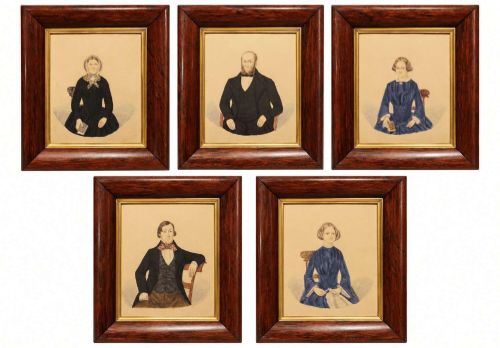
A rosewood portrait frame holds small likenesses and works on paper with dark, figured timber.
Rosewood Portrait Frame
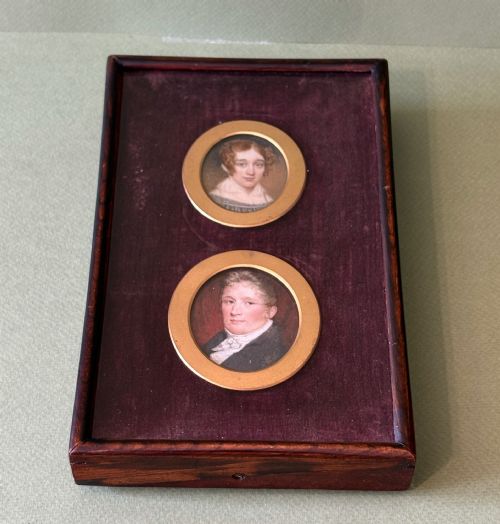
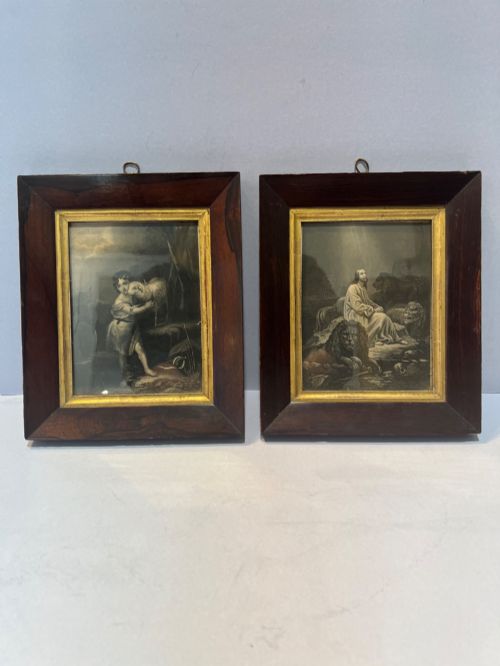
A rosewood portrait frame is a housing for miniature portraits, silhouettes, watercolours, prints and engravings dating from the Regency and Victorian eras. These pieces enclose paper works using glass and wood, often enclosing painted subjects, silhouettes of children, or photographic items.
Most examples found here date from the nineteenth century, spanning Georgian, Regency, early Victorian and later periods. The primary forms include singles and matched pairs designed to hang on walls or sit on surfaces.
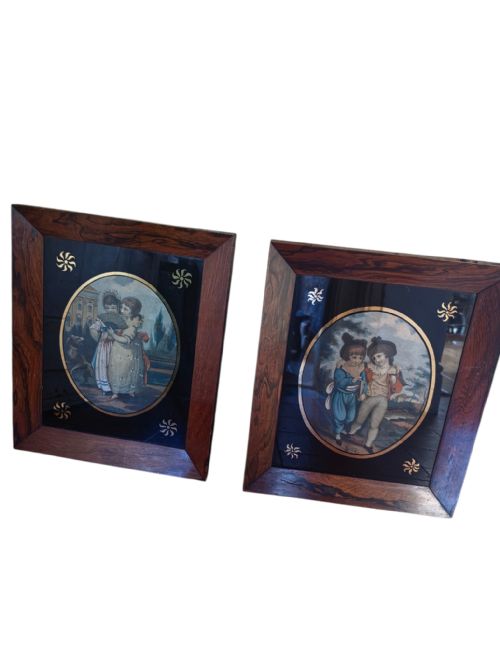
The artwork within ranges from ink silhouettes and pencil drawings to watercolours and tinsel prints. The frames themselves provide the dark, rich border characteristic of nineteenth-century domestic display.
Materials and Construction
These items rely on solid timber foundations finished to display the dense grain and deep colour of rosewood. Makers selected timber with prominent figuring to frame small watercolours, engravings and silhouettes.
Glazing protects the delicate paper surfaces of watercolours, pencil sketches and miniature portraits held within. Gilt wood slips and brass mounts often line the inner edge of the timber to separate the art from the dark frame.
Rosewood Portrait Frame Retail Price Guide 2026
Typical asking prices for rosewood portrait frame among the pieces listed under this phrase on Sellingantiques today, from the lower quarter to the upper quarter. They describe what is for sale here now, not the wider market.
Several frames hold tiny officers and children staring firmly out of the past.
Distinctions in Quality
Quality depends upon the depth of figure in the rosewood and the precision of the mitred corners. Superior examples retain original glass, backboards and hanging hardware rather than modern replacements.
The artistic merit of the enclosed content, whether a finely painted watercolour or a detailed silhouette, elevates the entire piece. Matched pairs demonstrating uniform timber selection command greater interest than solitary frames.
The Rosewood Portrait Frame Glossary
- Rosewood
- A dense, dark timber prized for its rich grain and purplish-brown colouring, used extensively in nineteenth-century cabinetmaking and framing.
- Silhouette
- A profile portrait cut from black paper or painted in solid dark pigments on a light background, popular in the Georgian and Victorian eras.
- Miniature portrait
- A small-scale painting executed with fine detail on ivory, vellum or paper, usually housed in a protective frame.
- Gilt wood
- Wood coated with a thin layer of gold leaf or metallic paint, frequently used for inner bezels within darker frames.
- Tinsel print
- A form of theatrical print popular in the nineteenth century embellished with pieces of tinsel, fabric and foil.
Rosewood Portrait Frame: Frequently Asked Questions
What periods do these frames come from?
The listings span the nineteenth century, encompassing Georgian, Regency and Victorian eras.
Most items date from roughly eighteen hundred through to eighteen sixty, reflecting the popularity of framed likenesses during those decades.
Are the portraits inside original to the frames?
Many pieces retain their original contents, such as period silhouettes, watercolours and engravings placed behind glass.
Pairs often feature matching contemporary artwork created at the same time as the timber housings.
How should I hang or display them?
These pieces suit small wall spaces where their dark timber tones can create contrast against light backgrounds.
They work well grouped together in small collections, mirroring the nineteenth-century manner of displaying domestic portraits.
What kind of artwork is typically found inside?
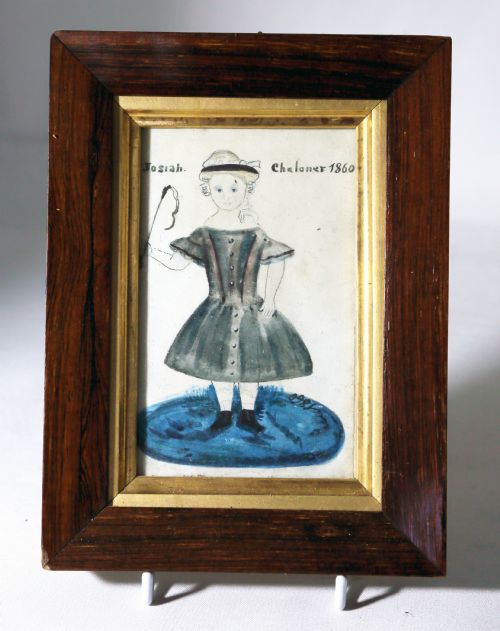
Common contents include ink silhouettes, watercolour portraits of named individuals, pencil sketches and printed engravings.
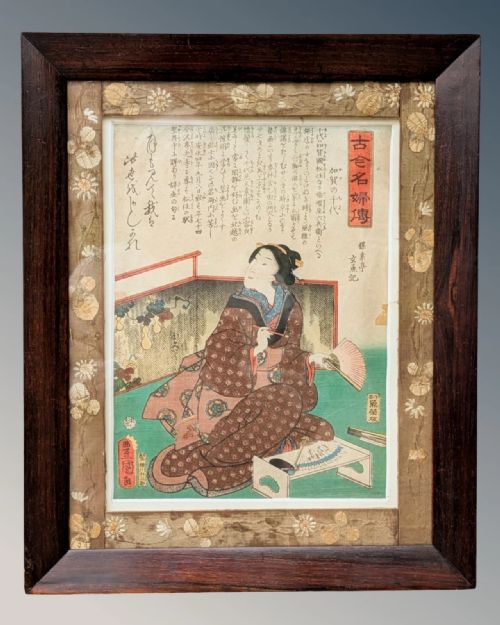
Some examples also contain decorative tinsel prints and Japanese woodblock works mounted in rosewood.