



Rosewood Planter
A rosewood planter brings rich tropical grain and botanical display together, offering striking focal points for ferns and floral arrangements in any room.
Rosewood Planter
A rosewood planter encompasses diverse forms from the nineteenth century onward, including dedicated jardiniere stands, wine coolers, occasional tables, and planters chairs. Buyers seeking these items will encounter pieces spanning the Victorian and Edwardian eras, with notable international influences.
Most entries function as pedestals, jardiniere tables, or multi-tiered stands designed to elevate plants and floral displays. The material unites them, utilising dense tropical hardwoods alongside allied timbers like satinwood and walnut.
How they were made
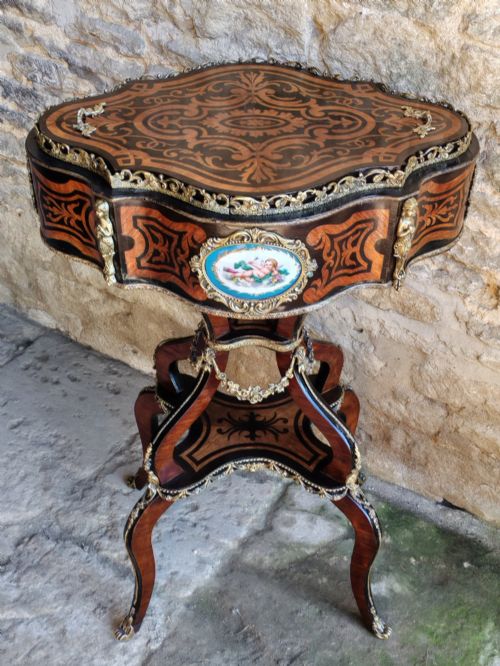
Makers utilised dense rosewood and exotic hardwoods, frequently combining them with contrasting satinwood or kingwood for intricate marquetry inlay. Skilled joinery allowed for structural stability in tall plant stands and multi-tiered pedestals.
Decoration relied heavily on deep hand carving, particularly in Chinese export and Qing Dynasty pieces, where floral and organic motifs adorn the hardwood. European examples incorporated ormolu, gilt metal mounts, and brass detailing to accent the dark timber.
Rosewood Planter Retail Price Guide 2026
Typical asking prices for rosewood planter among the pieces listed under this phrase on Sellingantiques today, from the lower quarter to the upper quarter. They describe what is for sale here now, not the wider market.
Some versatile nineteenth-century stands clearly moonlighted as wine coolers when the ferns were cleared away for dinner.
What varies in quality
Quality rests in the crispness and depth of the hand carving, especially evident in Chinese Qing Dynasty and carved hardwood stands where botanical and geometric details must remain sharp. Superior examples demonstrate meticulous timber selection, matching grain patterns across visible surfaces.
The refinement of secondary materials sets finer pieces apart, from precision in Dutch marquetry inlay to the weight and chasing of French gilt metal mounts and ormolu. Structural integrity in slender legs and multi-tiered joints also marks the distinction between standard production and superior craftsmanship.
The Rosewood Planter Glossary
- Jardiniere
- An ornamental pot or stand for holding plants or flowers. These items often double as wine coolers or occasional tables depending on the period.
- Marquetry
- Decorative veneer work forming geometric patterns or pictures by inserting pieces of wood into a veneer. Dutch neoclassical examples frequently employ this technique with satinwood.
- Ormolu
- Gilded bronze applications used as mounts on furniture. French nineteenth-century pieces frequently utilise these metal ornaments.
- Kingwood
- A heavy, dense tropical timber with distinctive violet-brown colouring and dark striping. Cabinetmakers paired it with rosewood for rich contrast.
Rosewood Planter: Frequently Asked Questions
What is a rosewood planter used for?
These pieces serve primarily to elevate potted plants, ferns, and floral arrangements within domestic interiors. Many historical designs also double as wine coolers, side tables, or display pedestals.
Their sturdy construction allows them to support heavy ceramic pots while adding rich tropical timber tones to a room.
How do I care for rosewood furniture?
Keep wooden surfaces away from direct sunlight and extreme temperature fluctuations to prevent the timber from drying or cracking. Regular dusting with a soft, dry cloth preserves the natural grain and polished finish.
Avoid placing damp pots directly onto the wood without a protective liner or tray to prevent moisture rings.
How can I tell Victorian from Edwardian stands?
Victorian stands tend to feature heavier carving, darker finishes, and more ornate ornamentation reflecting revival styles of the nineteenth century. Edwardian pieces often display slightly lighter proportions and cleaner lines.
Examining the construction methods and joinery beneath the piece helps confirm the manufacturing era alongside stylistic clues.