


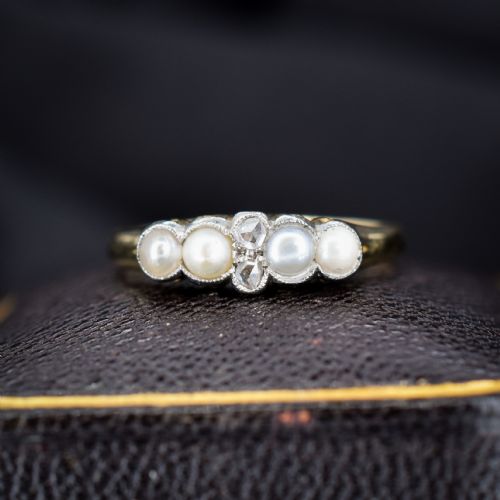


Rose Gold Diamond Jewellery
Rose gold diamond jewellery brings together warm copper-toned metals and brilliant stones in rings, brooches and pendants spanning the Victorian era to the mid-century.
Rose Gold Diamond Jewellery
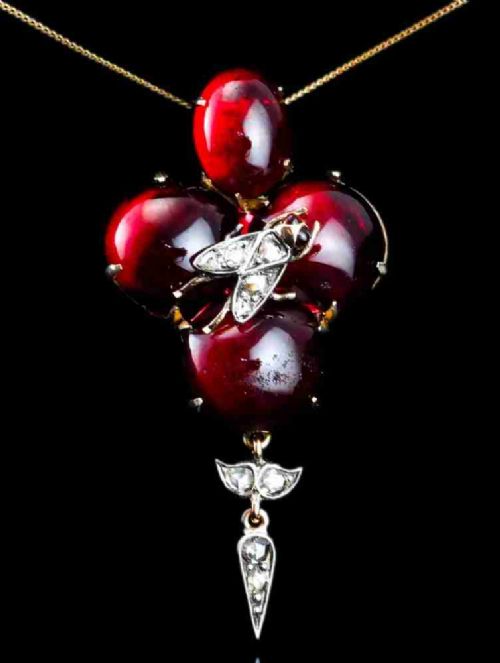
When you search for rose gold diamond jewellery, you encounter pieces designed to showcase warm metallic alloys alongside diamonds, often paired with rubies, sapphires, garnets or pearls. The selection leans heavily towards rings and brooches originating from the Victorian, Edwardian and Art Deco periods, alongside mid-century examples.
Materials and Techniques
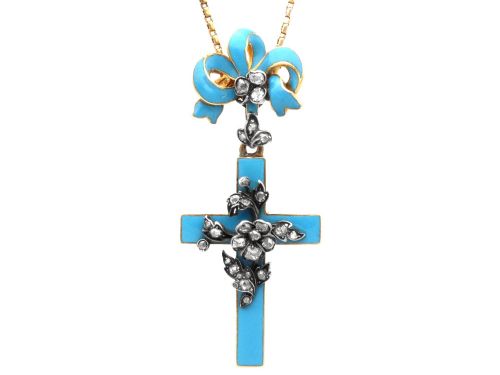
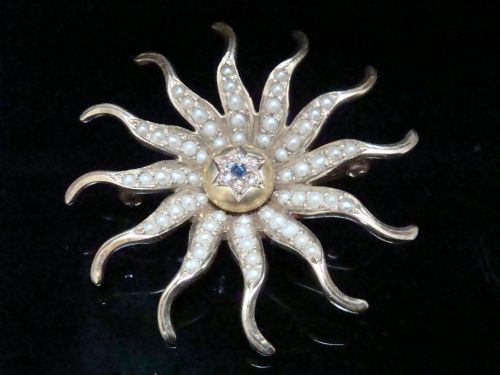
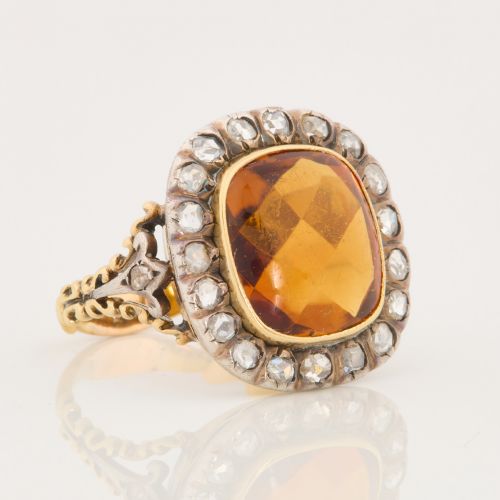
Goldsmiths worked with varying carat weights of rose, yellow and white gold, frequently backing silver settings with gold to enhance the brilliance of rose-cut and old-cut diamonds. Plique-à-jour enamel, natural pearls and coloured gemstones such as unheated rubies and tourmalines were integrated using traditional hand-forging and cluster-mounting techniques.
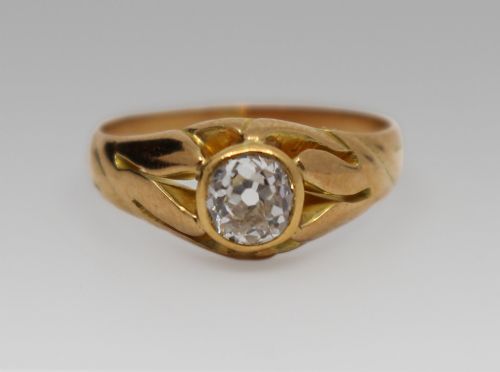
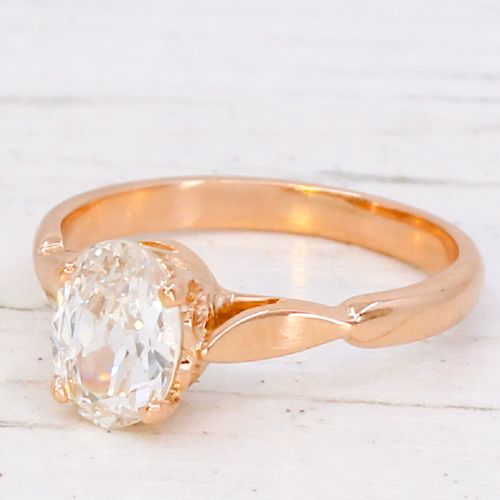
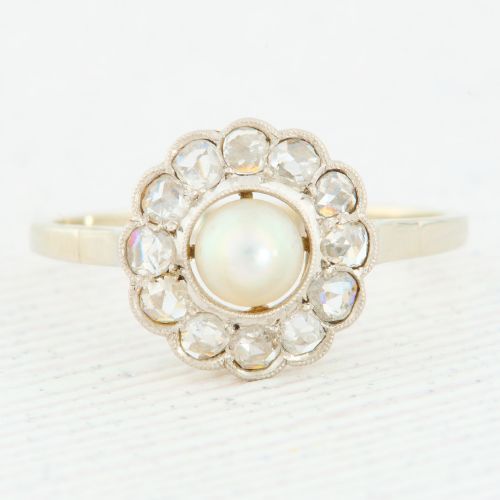
Stones were secured using collet settings, grain settings and early prong methods suited to the irregular shapes of rose-cut and early brilliant-cut diamonds. Metalwork often incorporated chased detailing, hinged components and delicate millegrain edges.
Listings feature periods spanning from early nineteenth-century Georgian designs through to 1960s mid-century work.
Evaluating Quality and Execution
Distinctions in quality rest upon the harmony of the design, the original integrity of the settings, and the skill displayed in stone-cutting. Hand-carved details and balanced cluster arrangements separate ordinary production from exceptional goldsmithing.
The preservation of original components, such as secure pin mechanisms on brooches and untouched backing metals, dictates the standing of a piece. Finer examples maintain the crispness of their chasing and secure stone alignment without later alterations.
Van Cleef And Arpels
The Rose Gold Diamond Jewellery Glossary
- Rose-cut
- A diamond or gemstone cut with a flat base and a faceted dome comprising triangular facets that meet in a central point. This historic style preceded the modern brilliant cut and produces a softer, broader reflection of light.
- Navette
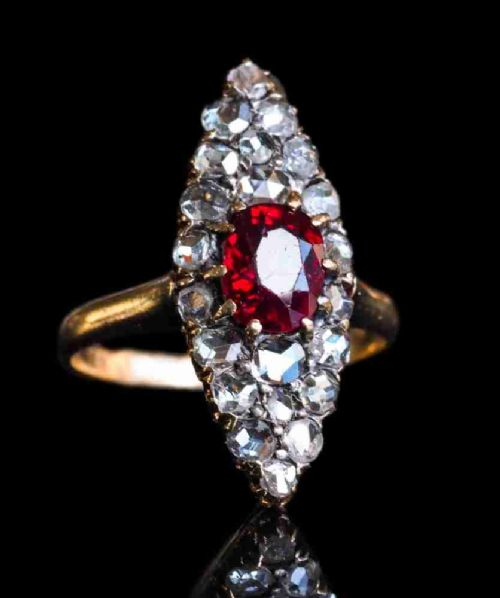
- A boat-shaped or marquise setting that tapers to sharp points at either end. This configuration allows a cluster of diamonds and coloured stones to sit broadly across the finger.
- Plique-à-jour
- An enamelling technique where enamel is applied within a cellular framework without a backing, creating a translucent, stained-glass effect. It appears frequently in fine brooches and pendants from the turn of the twentieth century.
- Millegrain
- A decorative technique featuring a row of tiny, raised metal beads along the edges of a setting. This adds a refined textural border typical of Edwardian and Art Deco workmanship.
Rose Gold Diamond Jewellery: Frequently Asked Questions
How do I care for antique rose gold jewellery?
Clean these items gently using warm water and a soft brush, avoiding harsh chemical dips that can damage pearls, opals or softer gold alloys. Store pieces individually in padded boxes to prevent scratching between the mixed metals and gemstones.
Regular checks by a specialist ensure that older claw and collet settings remain secure around the diamonds and coloured stones.
Are these pieces suitable for daily wear?
Many items, particularly sturdier engagement rings and heavier brooches, withstand everyday use provided they receive proper maintenance. Delicate Edwardian or Victorian pieces with pearls or open-backed settings require greater care during routine activities.
Assessing the thickness of the band and the security of the stone settings helps determine daily suitability.
How can I tell Victorian from Edwardian pieces?
Victorian items often employ heavier gold weights, romantic motifs like snakes or floral clusters, and deeper settings for rose-cut diamonds. Edwardian examples tend to introduce platinum or white gold elements alongside delicate millegrain work and lighter openwork frames.
Hallmarks, where present, provide definitive dates of assay and manufacturing origin.
What is a cluster ring?
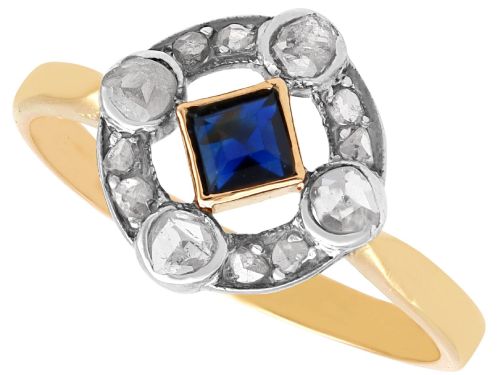
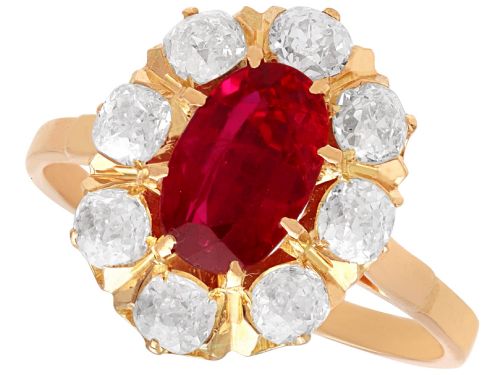
A cluster ring arranges a central gemstone, such as a diamond, ruby or sapphire, surrounded by a tight formation of smaller stones. This configuration maximises visual impact and light reflection on the hand.
Such designs span the Georgian, Victorian and mid-century periods with distinct mounting styles.