



Rose Cut Diamonds
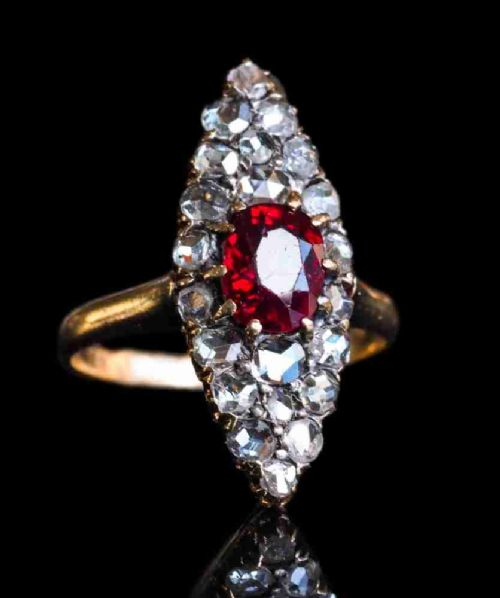
Rose cut diamonds are antique stones defined by their flat bases and domed, faceted crowns that catch candlelight with a soft, watery gleam.
Rose Cut Diamonds
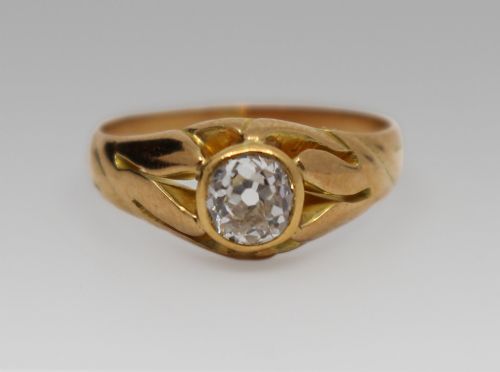
When you search for rose cut diamonds, you enter a world of antique jewellery spanning the Georgian, Victorian, and Edwardian eras, stretching into mid-century designs. You are looking at stones shaped by hand with triangular facets that culminate in a distinct apex, differing entirely from the modern brilliant cut.
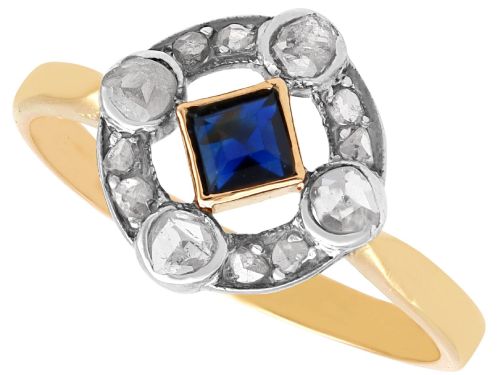
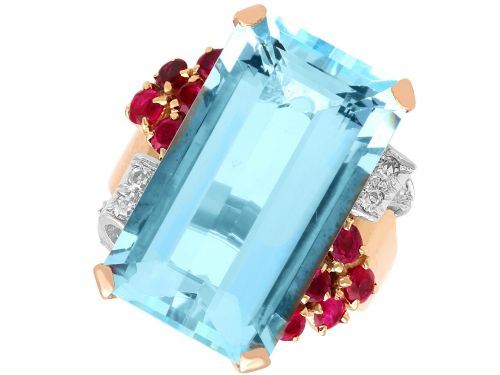
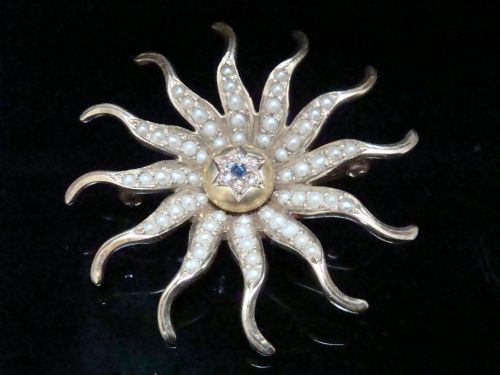
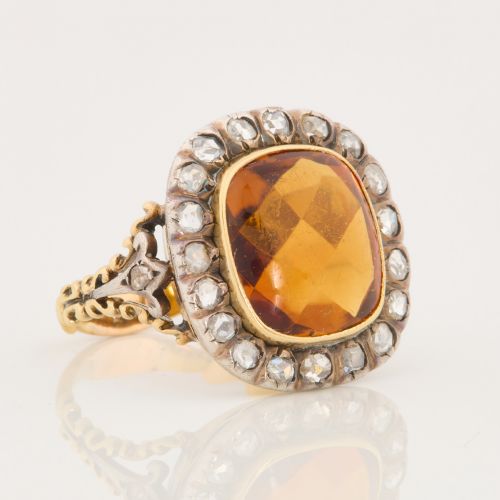
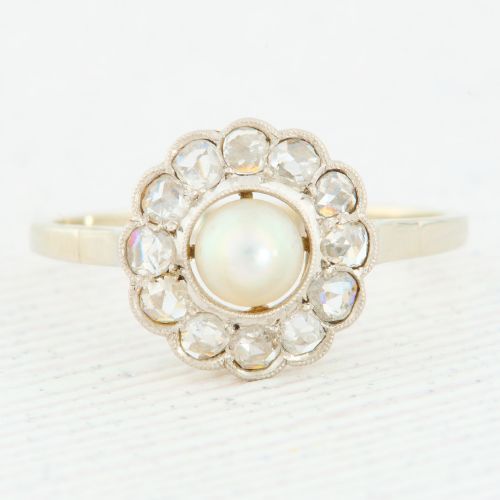
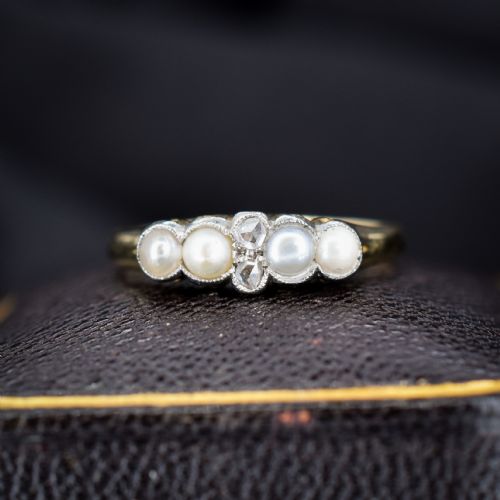
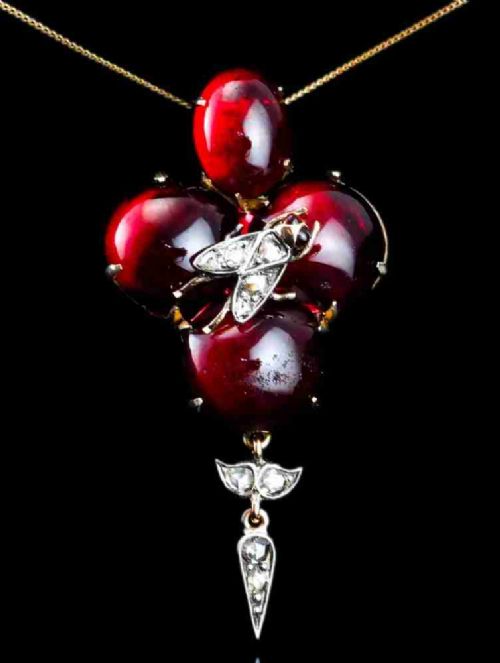
On this page, the pieces you are most likely to meet are rings, brooches, and pendants that combine these historic stones with coloured gems like rubies, sapphires, garnets, and opals. These items often feature silver-topped gold settings, where silver holds the stones to brighten their appearance against warmer gold bands.
The aesthetic of these pieces leans towards the organic and romantic, incorporating floral sprays, animal motifs like snakes and swallows, and intricate cluster arrangements. Each object bears the unmistakable mark of handcrafting, meaning no two stones share the exact same facet symmetry or silhouette.
Materials and construction
The construction of these antique pieces relies heavily on the pairing of silver and gold, particularly in Georgian and Victorian settings where silver was laid over gold to reflect light upwards through the stone. Because silver tarnishes, this technique required meticulous metalwork that fused the two metals securely without modern machinery.
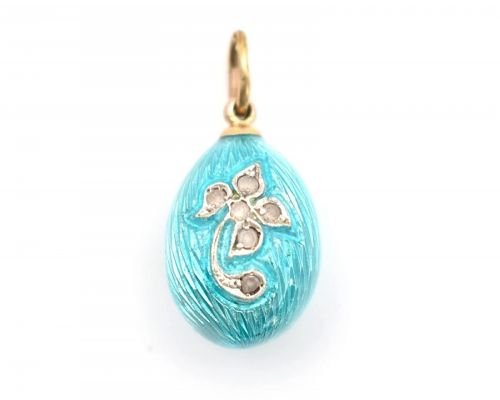
Stones were cut by hand to fit specific foil-backed or open-backed mounts, tailoring the diamond's profile directly to the jewellery design rather than standardising the proportions. Enamel, pearls, and various carats of yellow, white, and rose gold further define the physical makeup of these items.
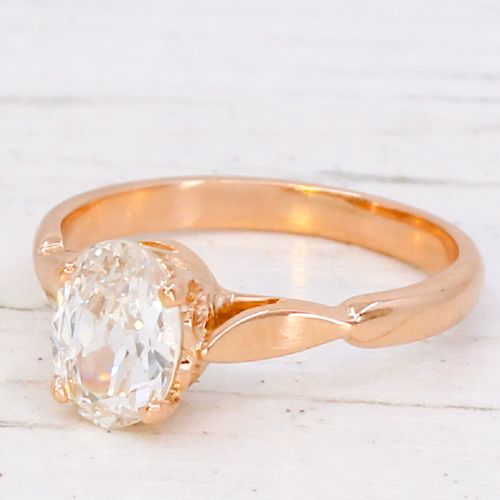
Gemstones are frequently secured with delicate, hand-shaped claws or enclosed in low-profile bezels that hug the contours of the rose cut dome. This method of setting keeps the stones intimate to the skin and integrated seamlessly into the structural flow of rings and pendants.
Several Victorian serpent rings gaze outwards with tiny rose cut diamond eyes, acting as enduring Victorian symbols of eternal love.
Judging quality in rose cut diamonds
The quality of these pieces rests on the harmony between the stone's cut and its mounting, where symmetrical facet arrangement and good light return elevate a piece above standard examples. Stones with higher clarity and minimal inclusions allow the subtle, flat-bottomed geometry to perform at its best.
Craftsmanship in the metalwork marks the boundary between ordinary production and exceptional artistry, seen in the precision of the silver-topped work and the preservation of original proportional balance. Pieces that retain their integrity without modern alterations or heavy claw re-tipping command greater appreciation.
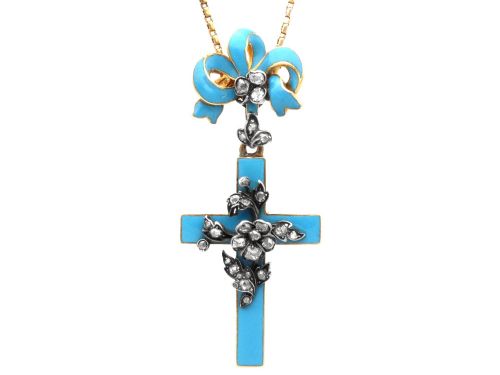
The selection of accompanying materials, such as unheated natural sapphires, vibrant garnets, or intricate plique-à-jour enamel, plays a crucial role in the overall stature of the item. A cohesive design where every element - from the shoulders of a ring to the clasp of a necklace - receives equal attention indicates superior workshop origin.
The Rose Cut Diamonds Glossary
- Rose cut
- An antique diamond cut featuring a flat base and a domed crown with triangular facets. This historic style predates the modern brilliant cut and offers a gentle, understated shimmer.
- Silver-topped gold
- A construction technique popular in antique jewellery where a thin layer of silver is applied over gold. This allowed stones to be set in white metal while keeping the strength and comfort of gold against the skin.
- Navette
- A boat-shaped gemstone setting or ring design that tapers to points at both ends. The elongated silhouette sits flat along the finger and creates a commanding visual presence.
- Cluster ring
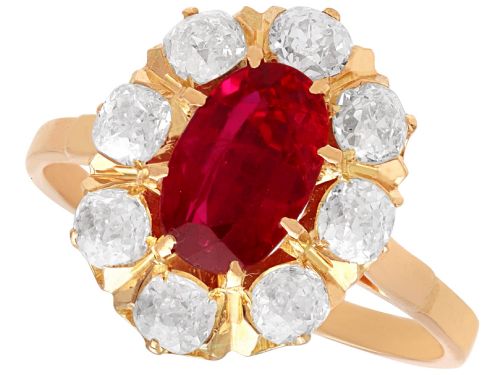
- A ring design featuring a central gemstone surrounded by a halo of smaller stones, often diamonds. This arrangement maximises visual impact and was a favourite across the Georgian and Victorian periods.
- Plique-à-jour
- An enamelling technique resembling miniature stained glass, where enamel is applied without a backing metal. It allows light to shine directly through the translucent colours.
Rose Cut Diamonds: Frequently Asked Questions
How do I care for rose cut diamond jewellery?
Antique pieces require gentle handling, so avoid ultrasonic cleaners and harsh chemical dips that can damage foils, softer gems, or delicate silver-gold settings.
Clean them softly with a damp cloth and mild soap, and store them individually to prevent the historic metalwork from scratching.
Can I wear a rose cut ring every day?
Many people do wear these historic rings daily, but mindful care is necessary because older settings and lower-profile stones respond differently to modern wear.
Consider removing them during strenuous physical activities, gardening, or swimming to protect the antique claws and softer backing metals.
What is the difference between rose cut and brilliant cut?
Rose cut diamonds have flat bases and domed, faceted tops, designed to capture ambient light like candlelight with a softer, broader glow.
Brilliant cut stones feature deep pavilions and numerous geometric facets engineered for maximum fire and modern electrical brilliance.
How can I tell a Georgian ring from a Victorian one?
Georgian pieces often utilise closed-back foil settings to enhance stone colour and feature hand-cut gold work typical of the eighteenth and early nineteenth centuries.
Victorian items frequently introduce open-backed settings, varied coloured gold, and distinct regional hallmarks that help pinpoint their exact decade of creation.