

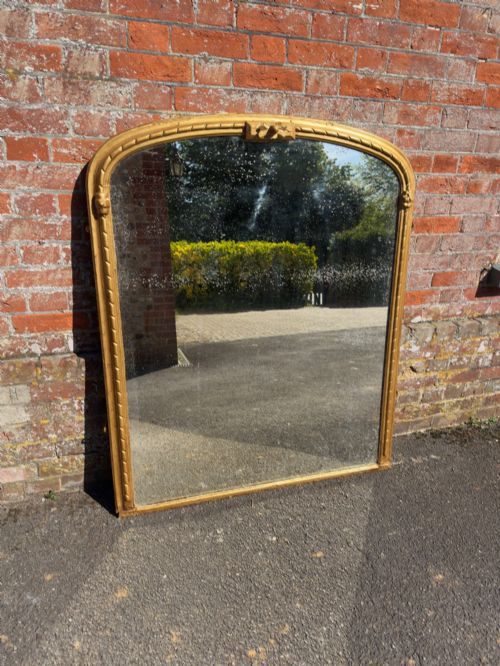


Rope Carved Gilt Frame
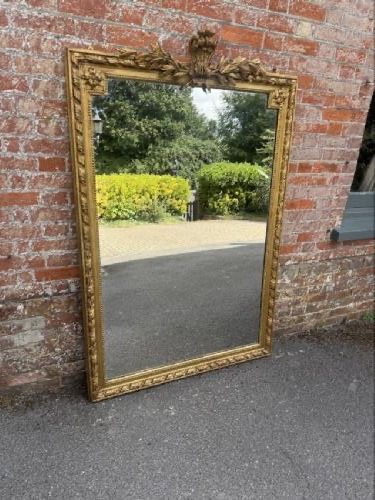
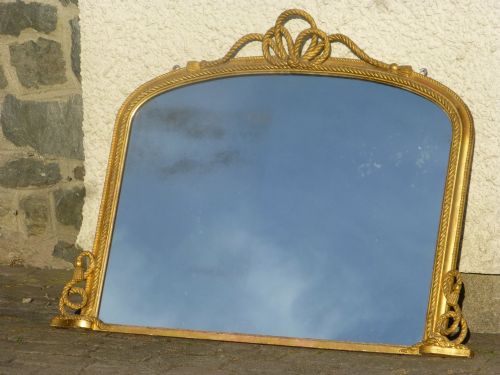
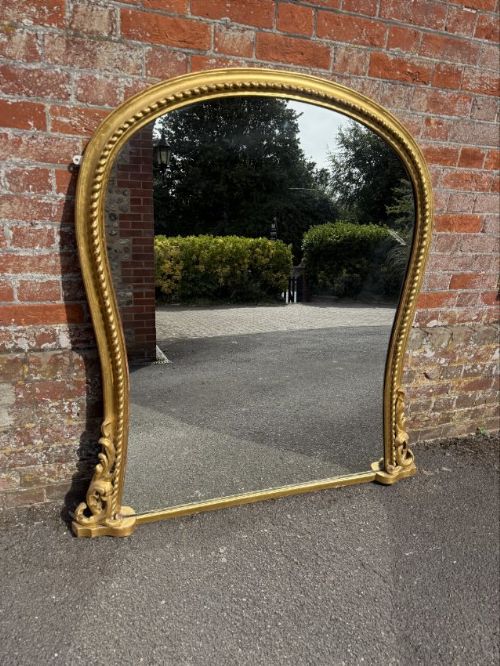
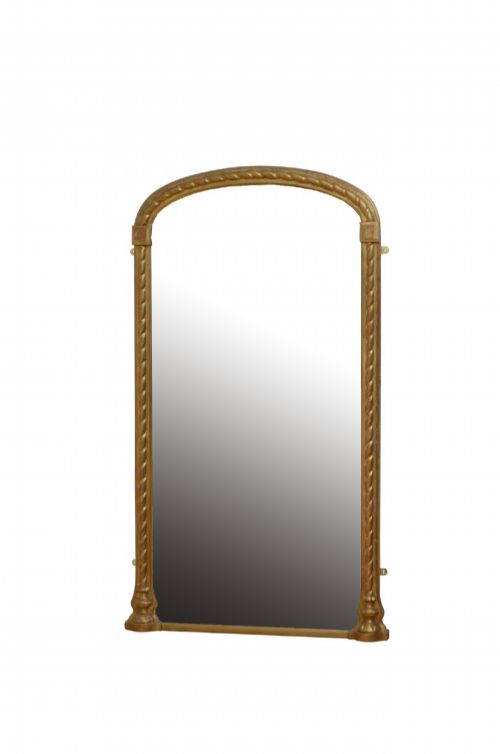
When searching for a rope carved gilt frame, you discover heavy nineteenth century looking glasses shaped to hang above mantelpieces or adorn tall walls.
Rope Carved Gilt Frame
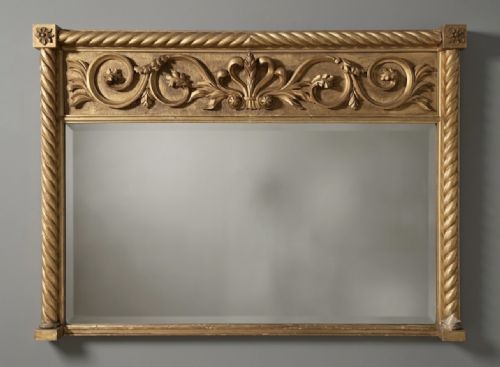
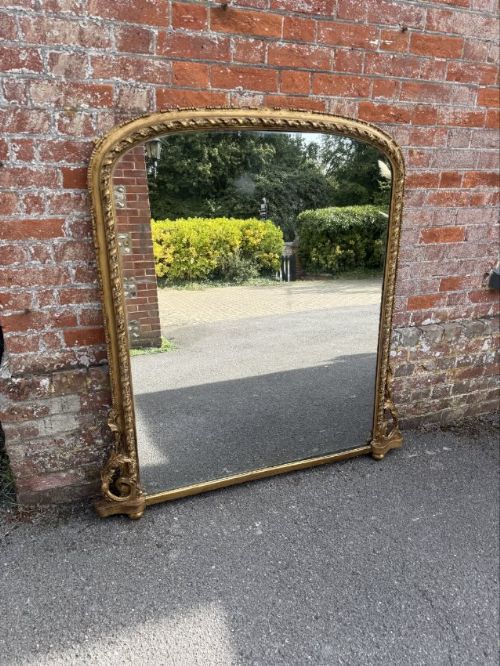
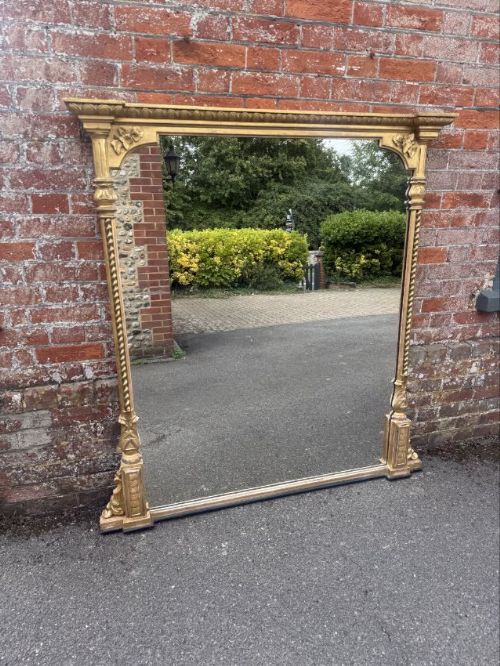
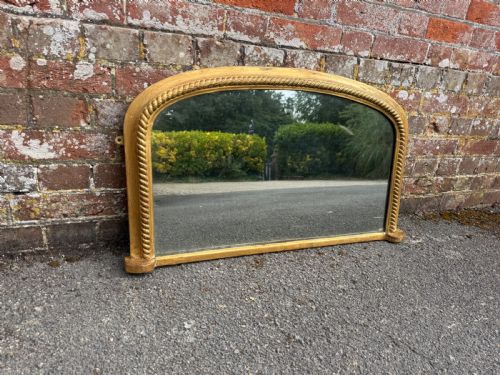
A rope carved gilt frame surrounds a large looking glass, most commonly taking the form of an overmantel mirror designed to sit above a fireplace. These pieces emerge predominantly from nineteenth century English and French workshops, encompassing Victorian, Regency, and Georgian design sensibilities.
The objects span substantial wall mirrors, leaner mirrors, and arched top overmantels. The rope twist motif defines the visual character, appearing alongside beaded and ribbed mouldings on large wooden panels.
Buyers encounter substantial architectural formats intended to dominate a room. Many examples measure large proportions, combining wooden carcasses with decorative crests and original glass plates.
How they were made
Carved wood provides the structural foundation for these frames, utilising timber such as pine beneath the decorative surface. Artisans shaped the characteristic rope twist patterns directly into the wood or built the relief using composition material.
Gesso layers were applied over the wooden base to create a smooth surface for gilding. Gold leaf was then laid down by hand, producing the bright metallic finish seen across the nineteenth century pieces.
Several mirrors include nautical descriptions, as if the twisted wooden rope might suddenly set sail across the drawing room floor.
What varies in quality
The crispness of the rope twist carving separates standard production from superior craftsmanship. Sharp, deeply defined spirals show deliberate hand work by skilled carvers rather than hasty moulding.
The integrity of the original gilt surface dictates the visual weight of the object. Pieces retaining their early gold leaf without heavy repainting display a richer, more nuanced reflection of age.
The Rope Carved Gilt Frame Glossary
- Gesso
- A plaster mixture applied to wood frames to prepare the surface for gilding. It allows carvers to mould fine details before applying gold leaf.
- Giltwood
- Timber that has been coated with gold leaf or metallic powder. This material defines the warm reflective borders of nineteenth century mirrors.
- Overmantel Mirror
- A large mirror specifically proportioned to hang above a fireplace mantel. These architectural pieces often feature arched or shaped tops.
- Composition
- A moulded mixture of whiting, resin, and oil pressed into shape. Makers utilised this paste to build up repeating ornamental details quickly.
- Pier Mirror
- A tall mirror designed to hang on the wall space between windows. They frequently match the height of surrounding architectural joinery.
Rope Carved Gilt Frame: Frequently Asked Questions
Where should I hang an overmantel mirror?
These large mirrors belong directly above a fireplace mantel where they anchor the surrounding wall space. Their generous proportions reflect light across the entire room.
Alternatively, lean them against a blank wall as a full length leaner mirror. This positioning creates a sense of depth in reception rooms.
How do I clean a gilt frame?
Dust the carved surface gently using a soft, dry artist brush or feather duster. Avoid applying moisture or chemical cleaning sprays directly onto the gold leaf.
Water can soften the underlying gesso and cause the historic gilt layer to flake off. Professional conservation is required for deep cleaning.
Are the mirror plates original?
Many nineteenth century frames retain their original mirror glass, which often displays charming minor foxing and soft oxidation spots. These natural signs of age confirm the long history of the object.
Replacement glass appears brighter and lacks the distortion present in older plates. Examine the backing boards and silvering to assess originality.
How do I identify a French nineteenth century mirror?
French examples frequently incorporate cushion mouldings and distinct shaped tops alongside the rope twist carving. The underlying pine framing and gesso application methods reflect continental workshop practices.
English variants tend to favour architectural overmantel formats with strict rectangular or arched profiles. Both traditions utilise hand applied gold leaf.