




Romantic Era Oil Portrait
Romantic era oil portrait works capture character and mood through layered brushwork, offering timeless appeal for collectors seeking period depth.
Romantic Era Oil Portrait
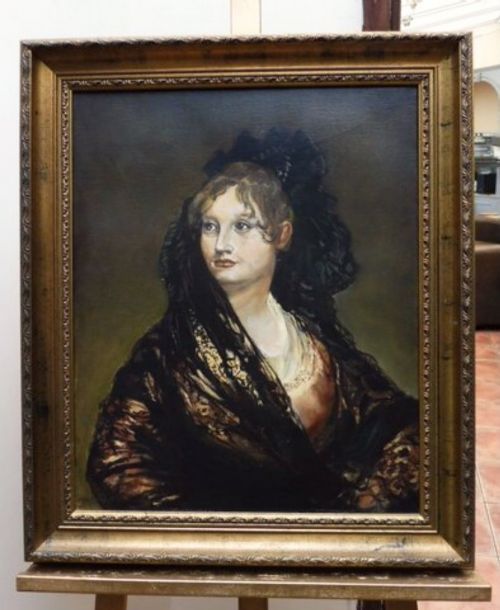
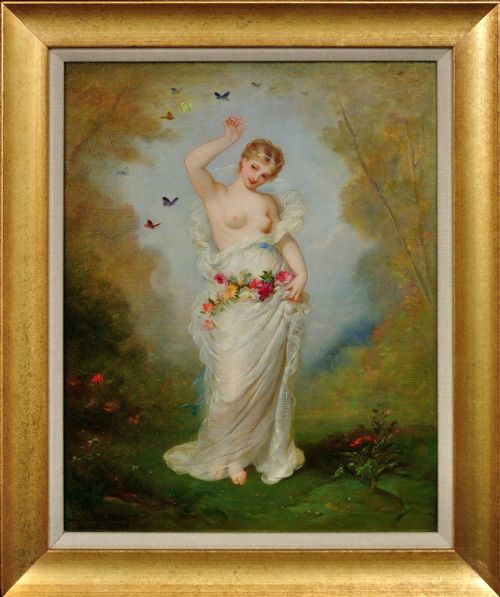
A romantic era oil portrait presents subjects with emotional resonance, capturing figures often set against atmospheric backgrounds or classical architecture. These works span nineteenth century traditions, including Spanish romanticism, French academic styles, and Victorian sensibilities.
Buyers encounter depictions of noble ladies, elegant figures in period dress, and intimate likenesses rendered on canvas. The compositions frequently reference earlier masters or present direct observations of sitters from the period.
Most examples originate from nineteenth century European schools, reflecting the broader cultural movements of romanticism and academic painting across Britain, France, Spain, and Austria.
Materials and construction
These works rely on oil paint applied to canvas supports, allowing artists to build rich depths of tone and delicate transitions of light. The physical structure of the painting surface often utilises woven canvas stretched over wooden frames.
Many portraits retain their original giltwood and gesso frames, embellished with gold leaf surface treatments that complement the warm palettes of the canvas within.
Romantic Era Oil Portrait Retail Price Guide 2026
Typical asking prices for romantic era oil portrait among the pieces listed under this phrase on Sellingantiques today, from the lower quarter to the upper quarter. They describe what is for sale here now, not the wider market.
Current listings feature nineteenth century oil on canvas portraits alongside elaborately carved giltwood and gesso frames.
Assessing quality in portraiture
Quality rests in the handling of facial expression, garment detail, and the integration of the sitter with the surrounding space. Skilled brushwork imparts a lifelike presence to the subject, whereas lesser works remain stiff and formulaic.
The preservation of the original canvas and the integrity of the accompanying giltwood frame influence the overall character of the piece. Intricate gesso ornamentation and well-preserved gilding enhance the visual weight of the work.
Francisco Jose de Goya y Lucientes·August Heinrich Riedell·Franz Xaver Winterhalter·James Ward·James Bertrand·Samuel Lawrence·Eugene Verboeckhoven
The Romantic Era Oil Portrait Glossary
- Oil on Canvas
- Pigment mixed with drying oil applied to a woven fabric support. This combination allowed artists greater blending time and richer tonal graduation.
- Giltwood
- Wood carved and coated with gold leaf or metallic powder. It provides a reflective, ornate border for the painted canvas.
- Gesso
- A plaster mix applied to wood frames to create a smooth surface for gilding. It enables intricate relief moulding around the picture edge.
- Academic Style
- Painting executed under the influence of European official academies. It emphasises polished draughtsmanship and classical composition.
- Romanticism
- An artistic movement focusing on emotion, individuality, and atmospheric depth. Portraits in this vein elevate mood alongside likeness.
Romantic Era Oil Portrait: Frequently Asked Questions
What defines a romantic portrait?
Romantic portraits prioritise emotional expression, dramatic lighting, and atmospheric depth over stark clinical realism. The subjects often engage the viewer with subtle psychological tension.
Such works reflect nineteenth century ideals of individuality and mood, drawing inspiration from literature, history, and classical art.
How are these paintings framed?
Many period works retain their original giltwood frames decorated with gesso ornamentation. These surrounds use gold leaf to enhance the richness of the oil canvas.
Matching the frame style to the period helps preserve the historical integrity of the complete object.
Where were these portraits painted?
Artists worked across European centres including France, Spain, Italy, and Britain. Painters often travelled between major cities to study academic techniques and secure commissions.
This cross-pollination of styles explains the shared visual language found across different regional schools.
How should I care for an oil painting?
Keep paintings away from direct sunlight and steady temperature fluctuations to protect the canvas and paint layers. Gentle dusting with a soft, dry brush maintains the surface.
Avoid using moisture or chemical cleaners on either the canvas or the giltwood frame.