



Romantic Bronze Figurine
A romantic bronze figurine captures nineteenth-century sentiment in cast metal, offering an expressive focal point for a period interior.
Romantic Bronze Figurine
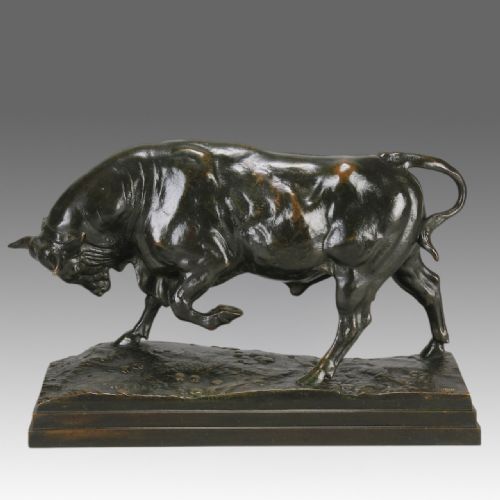
A romantic bronze figurine embodies nineteenth-century aesthetic ideals through cast metal portrayals of figures, allegories, and animals. These works span the Victorian era and nineteenth-century French output, including animalier studies and classical subjects.
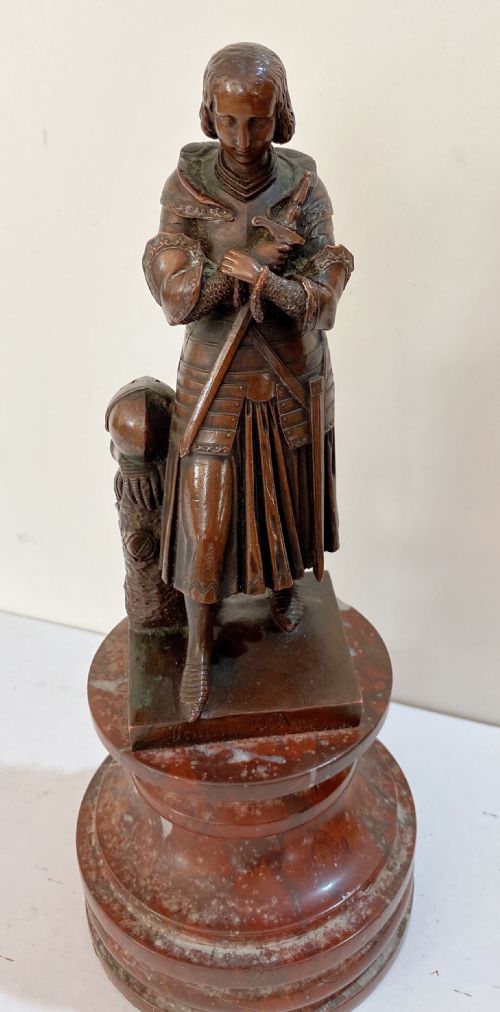
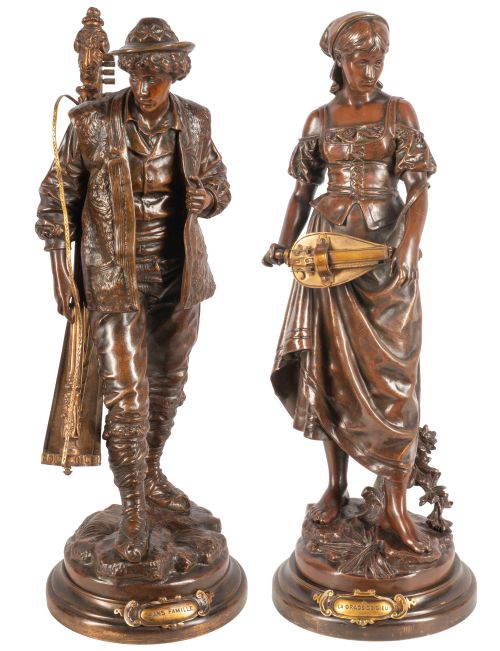
Most examples found here date from the nineteenth century, encompassing figures from eighteen sixty to eighteen eighty. They take the form of sculptures, busts, and pairs of decorative figures depicting poets, cavaliers, musicians, and dancers.
The subjects range from mythological figures like Cupid and Joan of Arc to literary portraits of Lord Byron and Sir Walter Scott. Collectors encounter both solo pieces and matched pairs executed in distinct nineteenth-century styles.
Materials and casting methods
These pieces are cast primarily in bronze, frequently finished with a dark patina or parcel-gilt details. Certain works combine patinated bronze with marble bases to provide structural weight and visual contrast.
The surface finishes depend on the intended aesthetic, utilising both gilt bronze and plain dark patination to emphasise the modelling. Makers applied these patinas by hand to accentuate the contours of the cast figures.
Romantic Bronze Figurine Retail Price Guide 2026
Typical asking prices for romantic bronze figurine among the pieces listed under this phrase on Sellingantiques today, from the lower quarter to the upper quarter. They describe what is for sale here now, not the wider market.
Listings feature works from the nineteenth century, utilising bronze, patinated bronze, marble, and gilt finishes.
Assessing quality and execution
The presence of a clear signature by a recognised sculptor elevates a piece, as seen in works associated with named nineteenth-century artists. The depth of the patina and the quality of any associated marble mount further distinguish standard castings from superior productions.
Antoine Louis Barye·Auguste Moreau·Louis Auguste Moreau·Jean Jacques Pradier·Salmson·J C De Blezer
The Romantic Bronze Figurine Glossary
- Animalier
- A nineteenth-century artistic movement focused on the realistic portrayal of animals. Sculptures in this style concentrate on anatomical accuracy and natural movement.
- Patina
- The surface coloration achieved through chemical treatment or natural ageing on bronze. This finish protects the metal and defines the sculptural details.
- Neoclassical
- An artistic style drawing inspiration from the classical art and culture of ancient Greece and Rome. Figures often reflect classical drapery and balanced composition.
Romantic Bronze Figurine: Frequently Asked Questions
What periods do these bronzes represent?
The available pieces originate primarily from the nineteenth century, with specific dates spanning from eighteen sixty to eighteen eighty. These items reflect Victorian tastes and French nineteenth-century casting traditions.
They capture the prevailing artistic movements of the period, including animalier studies and romantic interpretations of historical and literary figures.
How were these bronze sculptures displayed?
Nineteenth-century bronze figures served as decorative ornaments within domestic interiors, often placed on mantelpieces, pedestals, or dedicated display surfaces. Pairs of figures, such as poets or musicians, provided symmetrical arrangement options.
Their substantial weight, sometimes anchored by marble bases, allowed them to stand securely on prominent furniture without additional mounting.
How do I identify a named maker?
Signatures are typically cast directly into the bronze base or body during the manufacturing process, reflecting the mark of the sculptor. Reviewing the base or lower edges often reveals these incised names.
Matching the signature to recorded nineteenth-century bronzeiers confirms the origin and authorship of the cast.
What subjects are most common?
Common subjects include allegorical figures, historical personalities, and literary icons such as Lord Byron and Sir Walter Scott. Dancers, musicians, and animalier studies of wildlife also appear frequently.
These themes reflect the romantic and neoclassical interests of nineteenth-century European sculpture.