




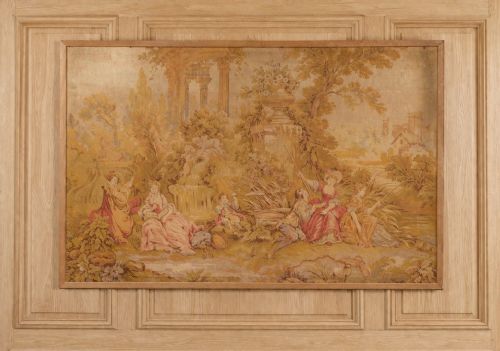

Rococo Wall Tapestry
These rococo wall tapestry pieces bring eighteenth-century French textiles and needlework into your room, offering grand pastoral scenes and intricate floral panels.
Rococo Wall Tapestry
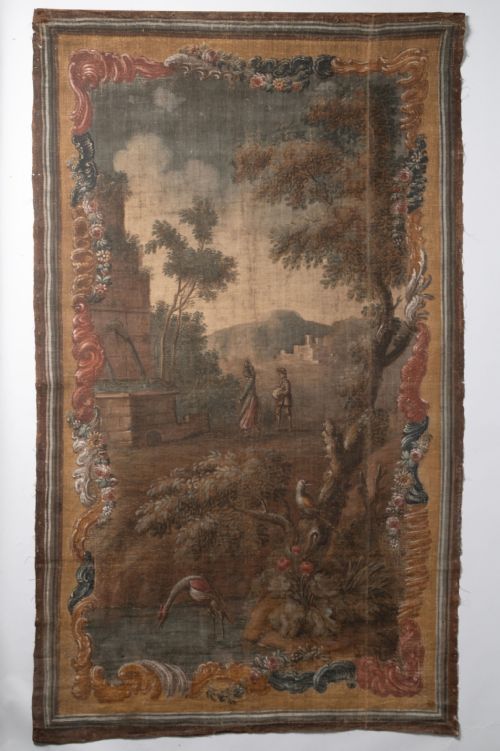
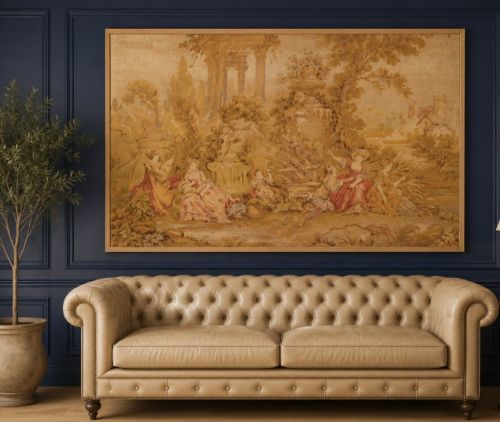
When you search for a rococo wall tapestry, you are looking at woven textiles, needlework panels, and framed textile art originating primarily from eighteenth- and nineteenth-century France. These works encompass Aubusson weaves, entre-fenêtre panels, and Victorian revivals designed to hang upon interior walls.
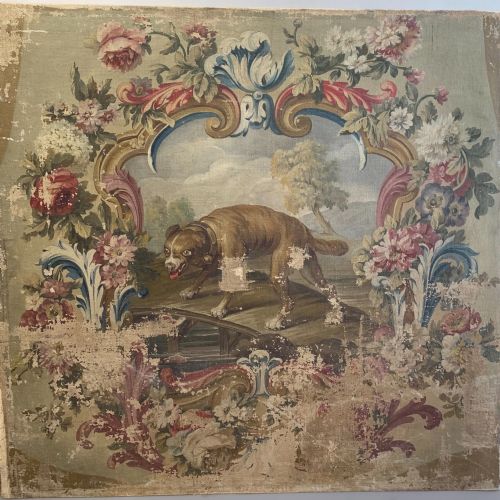
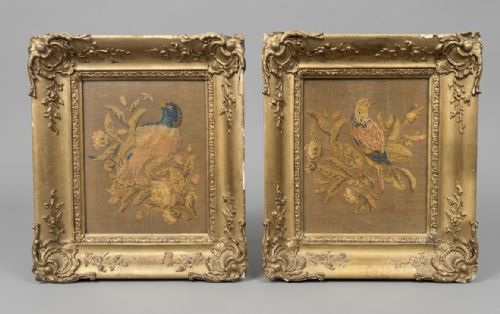
The pieces on this page lean heavily towards eighteenth-century Aubusson work and nineteenth-century interpretations, including large framed woven panels and needlework depictions of birds and florals. You will also encounter related items such as framed oil on canvas cartoon studies intended for weaving.
Originating from periods spanning the eighteenth century through to the Victorian era, these textiles bring traditional French chateau aesthetics into domestic spaces. They serve as substantial wall hangings that anchor a room with historical texture.
How they were made
The makers of these pieces utilised a combination of wool, silk, cotton, and linen yarns, woven meticulously on looms to create dense pictorial surfaces. Needlework panels involved hand-stitching thread onto canvas grounds to form detailed floral and avian motifs.
Many of these textiles are housed within timber frames, including walnut and gilt surrounds, whilst some are supported by canvas backings. Painters also contributed preparatory oil paint cartoons that guided the weavers in their composition.
Rococo Wall Tapestry Retail Price Guide 2026
Typical asking prices for rococo wall tapestry among the pieces listed under this phrase on Sellingantiques today, from the lower quarter to the upper quarter. They describe what is for sale here now, not the wider market.
What varies in quality
The distinction between standard and superior examples lies in the finesse of the yarn work and the complexity of the woven design. Aubusson pieces with intricate pictorial depth command greater attention than simpler needlework panels.
Condition and originality of the surrounding timber frame also influence the character of the piece, alongside the preservation of the delicate wool and silk threads over the centuries.
The Rococo Wall Tapestry Glossary
- Aubusson
- A style of tapestry originating from the town of Aubusson in France, known for pastoral scenes and floral designs. These woven works form a significant portion of early textile art.
- Entre-fenêtre
- A tall, narrow tapestry designed specifically to hang on the wall space between two windows. Such pieces balance vertical room proportions.
- Cartoon
- A full-scale preparatory painting on canvas used by weavers as a precise guide for the tapestry. They represent the initial artistic vision before translation into thread.
- Needlework
- Hand-stitched textile art created by passing thread through a canvas ground with a needle. This technique yields textured pictorial panels often set within gilt frames.
- Rococo Revival
- A nineteenth-century artistic movement that revived the ornate, curving motifs of the eighteenth-century French style. Pieces from this era emulate earlier chateau aesthetics.
Rococo Wall Tapestry: Frequently Asked Questions
What is a rococo wall tapestry?
A rococo wall tapestry is a woven textile or needlework panel created in the ornate style of eighteenth-century France. They typically depict pastoral views, florals, or birds.
These pieces were designed to decorate grand interiors and continue to function as substantial wall hangings in modern homes.
Where were Aubusson tapestries made?
Aubusson tapestries originated in the historic tapestry-making town of Aubusson in central France. Artisans there produced woven works using wool and silk.
These textiles became renowned for their detailed pictorial quality and remain prominent examples of French craftsmanship.
How do I hang a framed tapestry?
Framed tapestries and needlework panels require secure wall fixings suited to their substantial weight, especially when mounted in timber or walnut frames. Ensure the hanging wire and brackets match the load.
Position the piece away from direct sunlight to protect the delicate wool, silk, and cotton threads from fading.
What is an entre-fenêtre tapestry?
An entre-fenêtre tapestry is a narrow vertical textile designed to fit the specific wall space between two windows. They were used in period rooms to maintain continuous decoration.
These elongated panels share the same woven materials and pastoral subjects as larger wall hangings.
How do I tell an 18th century piece from a 19th century revival?
Eighteenth-century pieces typically exhibit the authentic age-related patination of wool and silk yarns tied to original French weaving traditions. Nineteenth-century revival works often reflect later Victorian interpretations of the same motifs.
Examining the weave structure, frame timber, and backing materials helps clarify the period of origin.