

Rococo Style Side Cabinet
A rococo style side cabinet brings curvilinear French flair and intricate marquetry into a room, offering both display surface and enclosed storage.
Rococo Style Side Cabinet
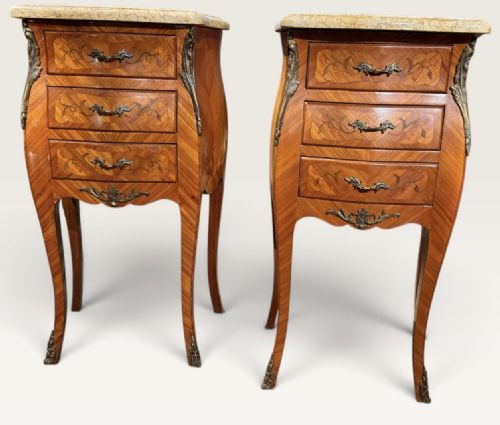
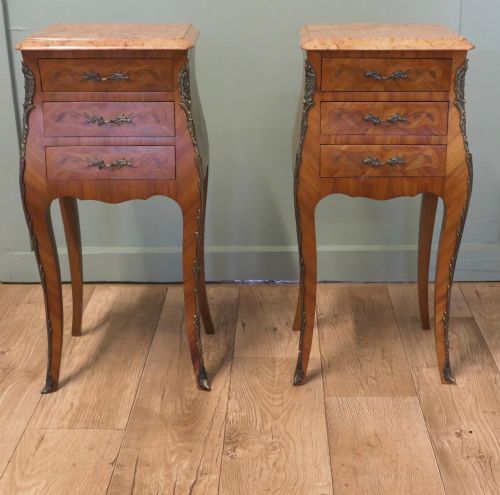
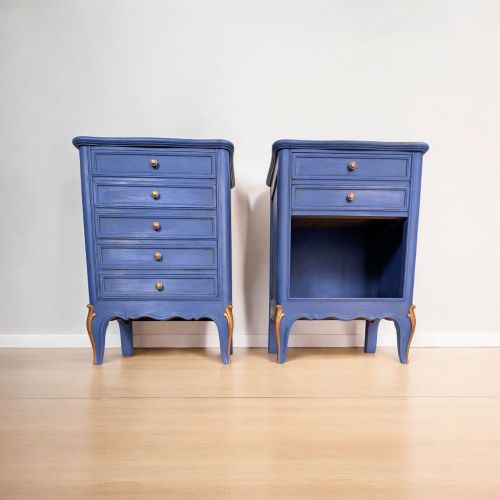
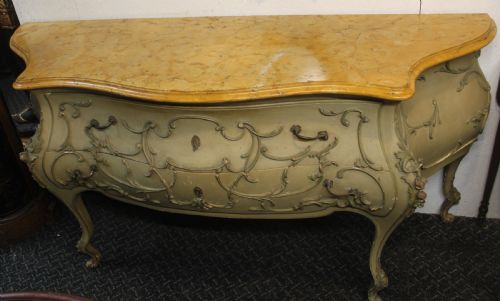
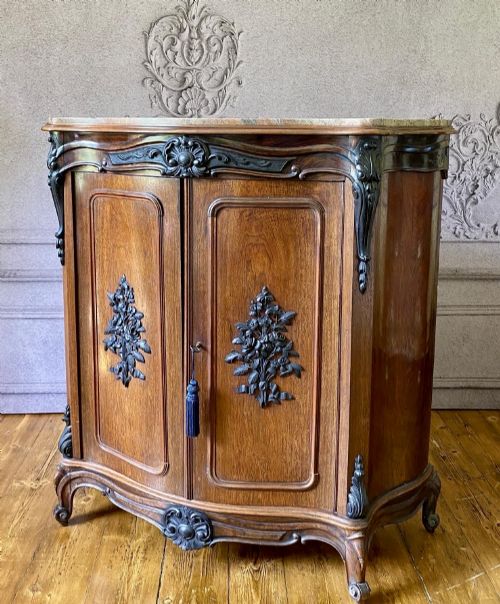
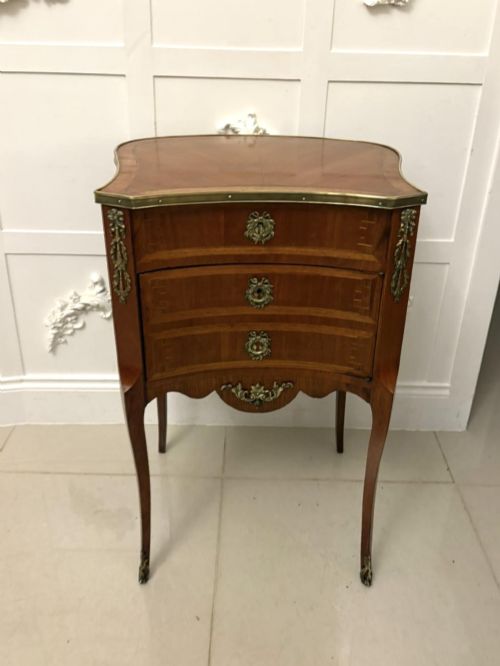
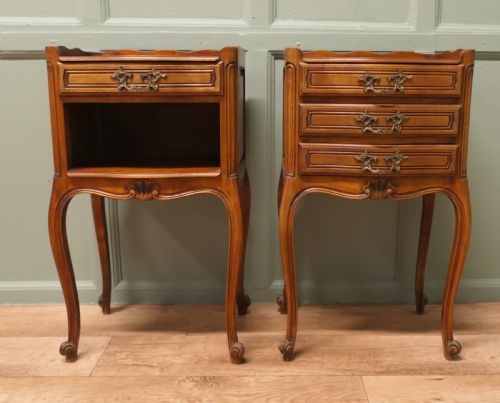
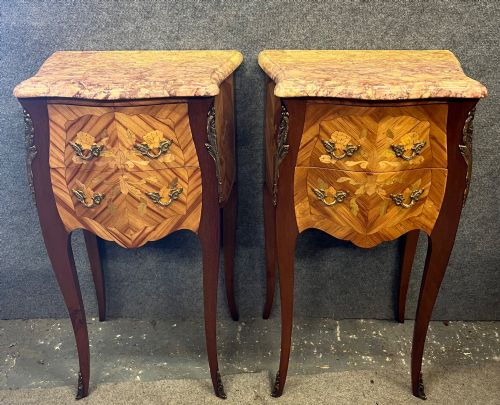
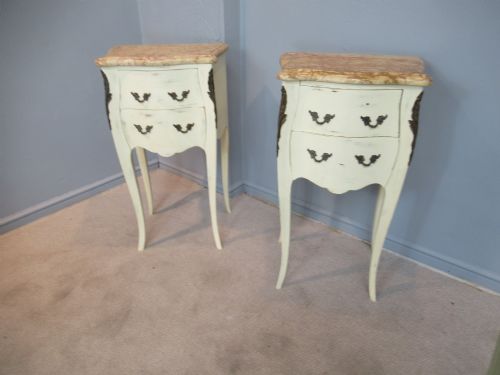
A rococo style side cabinet encompasses low bedside chests, serpentine commodes, and taller display cupboards drawing on eighteenth-century French design. You will encounter pieces spanning the nineteenth century through the early twentieth century, reflecting sustained enthusiasm for Louis XV revival aesthetics.
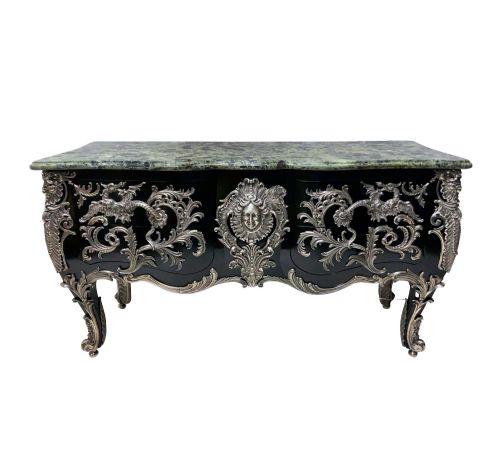
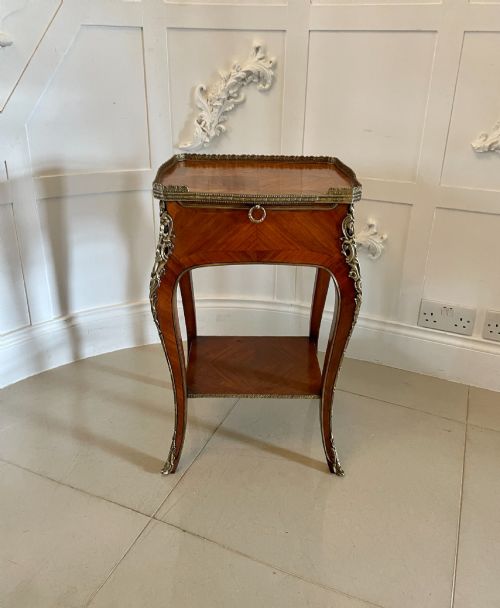
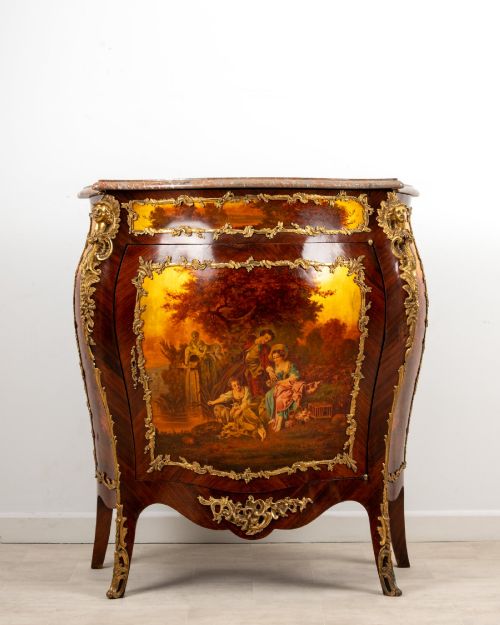
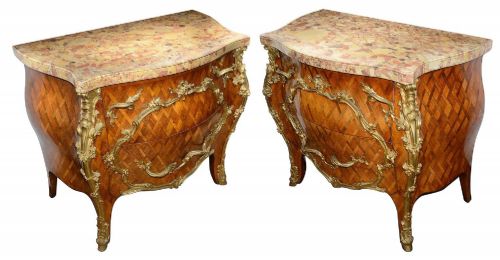
Makers utilised various formats such as bombé profiles, kidney shapes, and freestanding lamp tables topped with marble. These items originate predominantly from French and continental workshops, alongside Victorian British interpretations of continental forms.
Materials and Construction
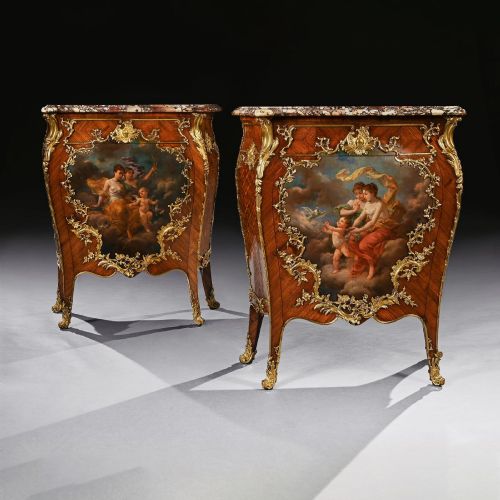
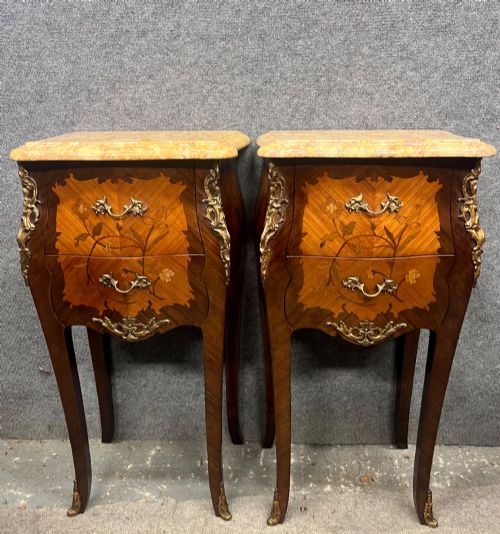
Carpenters built carcasses from hardwoods like walnut, mahogany, and rosewood, frequently overlaying them with kingwood veneers and geometric or floral marquetry. Ormolu mounts cast in bronze were then applied to highlight corners, feet, and aprons.
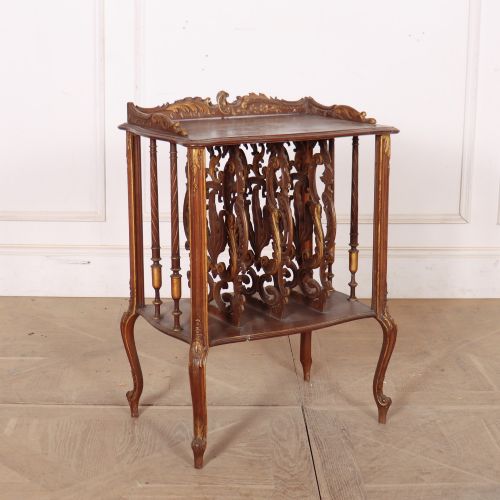
Slab marble tops in white, grey, or scagliola were fitted to commodes and bedside cabinets to provide durable, decorative surfaces. Vernis Martin painted panels and glazed doors appear on select display cabinets and music stands.
Rococo Style Side Cabinet Retail Price Guide 2026
Typical asking prices for rococo style side cabinet among the pieces listed under this phrase on Sellingantiques today, from the lower quarter to the upper quarter. They describe what is for sale here now, not the wider market.
Materials documented across the inventory include marble, kingwood, ormolu, walnut, glass, mahogany, and rosewood.
Assessment of Workmanship
Quality rests in the precision of the cabinetmaker's marquetry cuts and the crispness of the cast ormolu mounts. Finer examples display harmonious grain matching across curved drawer fronts and tight joinery at serpentine corners.
The weight and thickness of the fitted marble top alongside the depth of hand-carved details elevate certain cabinets above mass-produced counterparts.
Gillows·Zweiner
The Rococo Style Side Cabinet Glossary
- Ormolu
- Gilt-bronze mounts applied to furniture for decorative accent. These cast metal fittings protect vulnerable corners and enhance the curvilinear lines of the style.
- Marquetry
- Inlaid patterns of contrasting wood veneers assembled to create pictorial or geometric designs. Craftsmen arrange these thin veneers across drawer fronts and top surfaces.
- Bombé
- A swelling, outward-curving commode or cabinet profile. This bulging shape requires skilled woodworking to maintain structural integrity along curved planes.
- Scagliola
- A composite material made from selenite, glue, and pigments, mimicking true marble. Artisans use this technique to create ornate decorative table tops.
- Commode
- A low freestanding chest of drawers or cupboard originating in France. These pieces typically feature pronounced cabriole legs and decorative mounts.
Rococo Style Side Cabinet: Frequently Asked Questions
Where do I place a side cabinet?
These cabinets suit living rooms as lamp tables or bedrooms acting as bedside storage chests. Their finished backs often allow freestanding placement in the centre of a room.
Ensure the surface height aligns comfortably with adjacent seating or bed frames for daily use.
How do I clean marble tops?
Wipe marble surfaces with a soft damp cloth using mild neutral soap when necessary. Avoid acidic cleaners or abrasive pads which dull the polished stone finish.
Dry thoroughly with a clean lint-free cloth to maintain the natural lustre of the material.
Are these pieces genuinely old?
The selection spans authentic eighteenth-century examples alongside nineteenth-century revival pieces and early twentieth-century interpretations. Construction methods, wood shrinkage, and wear patterns help differentiate the exact period of manufacture.
Reviewing the carcass timber and hand-cut dovetails provides clear insight into the age of the cabinet.
How do I care for veneer?
Keep wooden cabinets away from direct sunlight and heat sources to prevent veneer from drying or cracking. Dust regularly with a dry cloth and apply occasional clear wax to nourish the timber.
Maintain consistent room humidity levels to protect delicate marquetry inlays from lifting.