

Rococo Style Furniture
Rococo style furniture brings fluid, asymmetrical curves and ornate mounts into a room, offering the decorative flair of eighteenth-century courts through nineteenth-century revivals.
Rococo Style Furniture
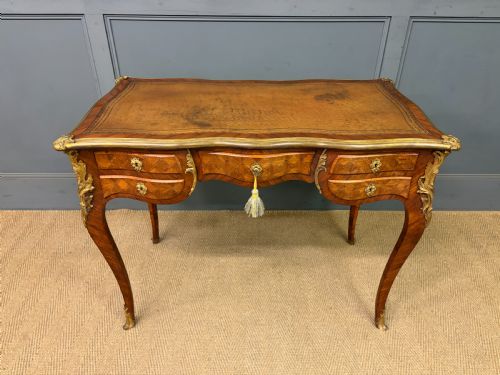
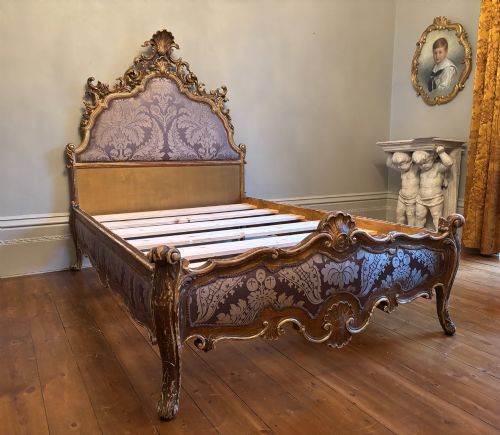
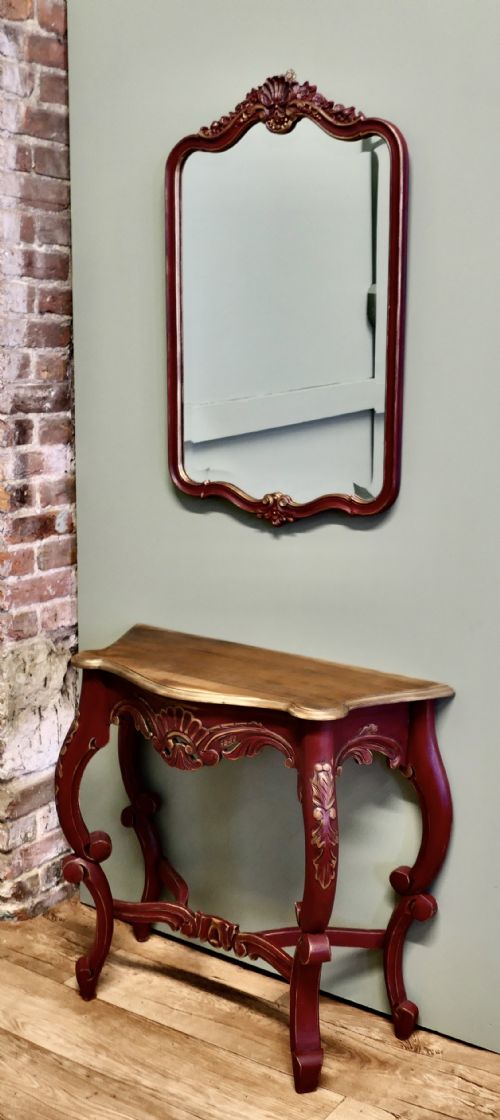
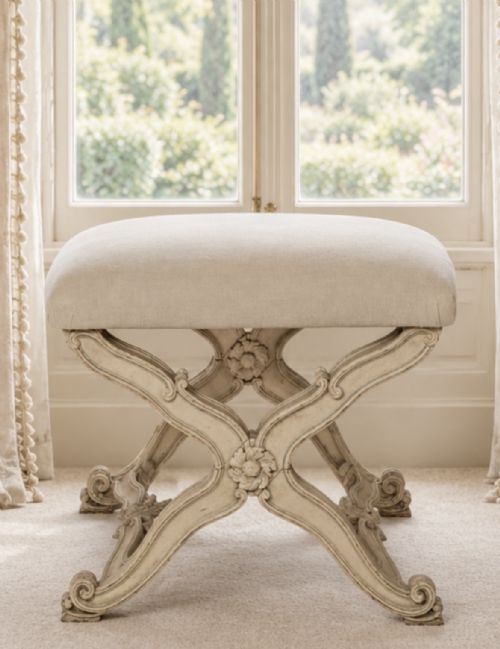
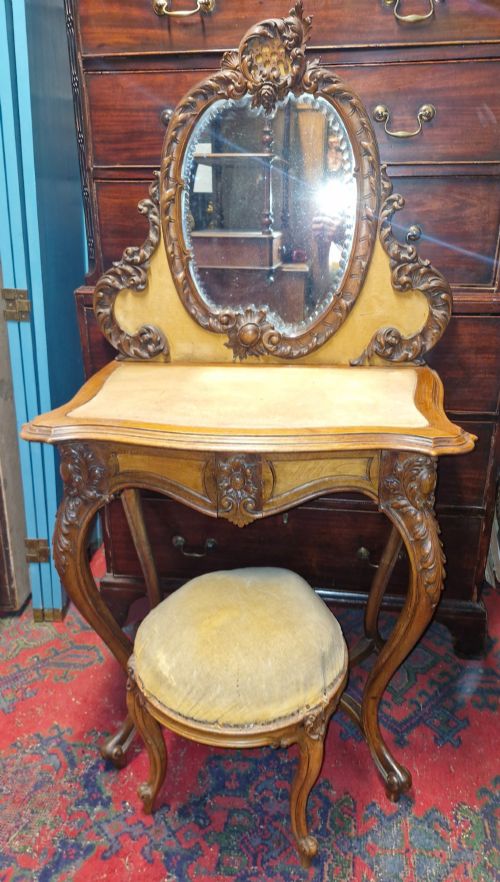
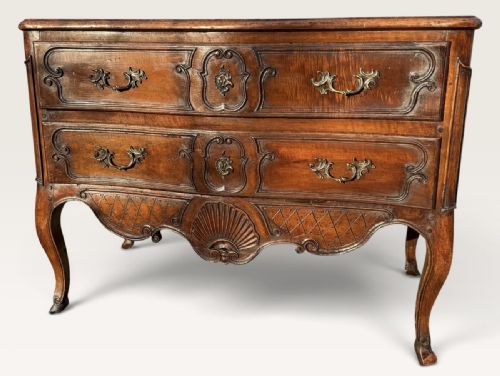
Rococo style furniture encompasses seating, tables, cabinets, and chests created primarily during revival periods of the nineteenth and early twentieth centuries, alongside occasional eighteenth-century examples. Buyers searching this phrase meet items designed with sweeping serpentine forms, cabriole legs, and elaborate naturalistic motifs rooted in French and Italian traditions.
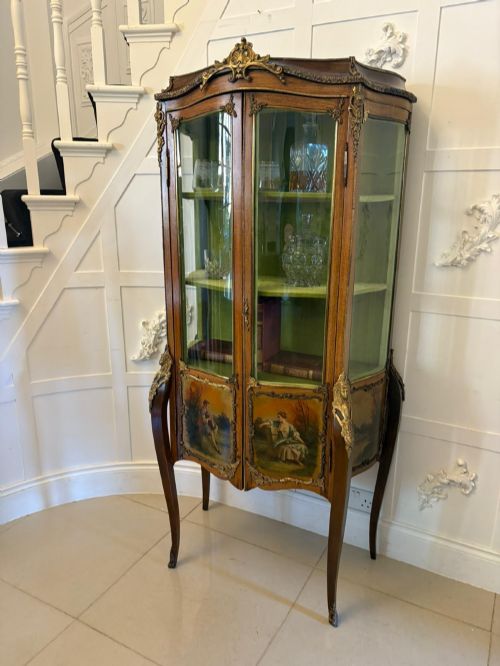
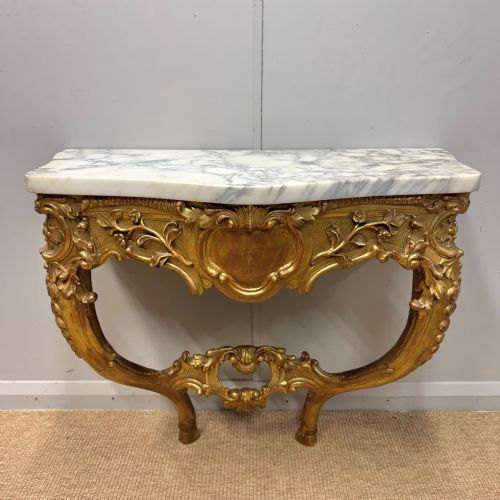
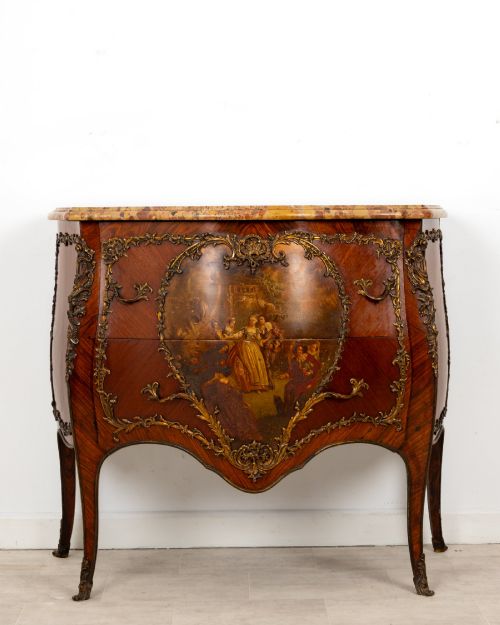
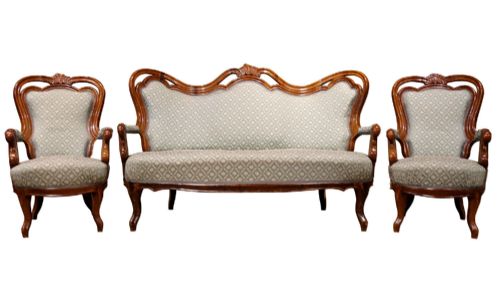
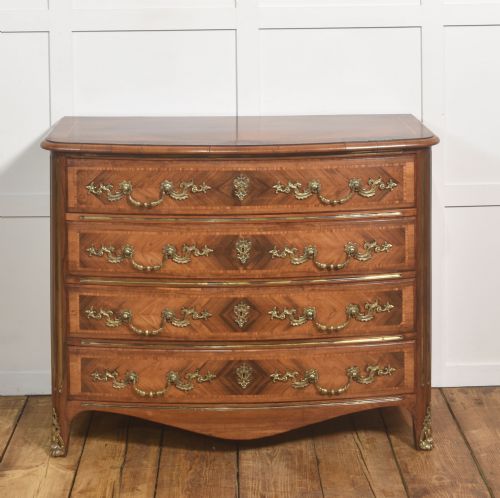
The selection leans heavily toward nineteenth-century French and Italian pieces, including walnut and kingwood commodes, giltwood console tables, and vitrines fitted with marble tops. Salon suites, writing desks, and display cabinets dominate the forms, reflecting the nineteenth-century appetite for ornate domestic reception rooms.
Originating from seventeenth- and eighteenth-century design vocabulary, these revival pieces mirror the playful asymmetry and C-scrolls of the Louis XV period. Workshops across France, Italy, and Britain adapted these fluid lines, producing items that retain the decorative ambition of the original royal commissions.
How they were made
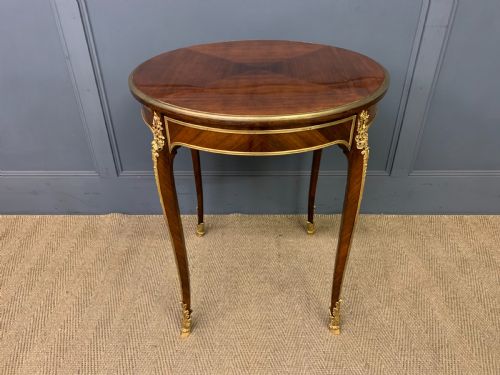
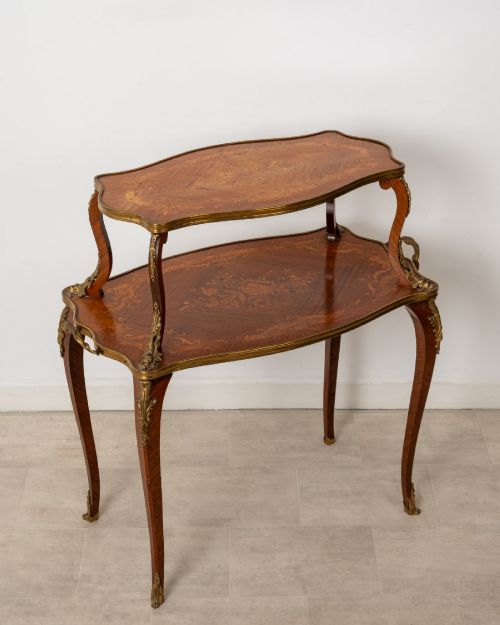
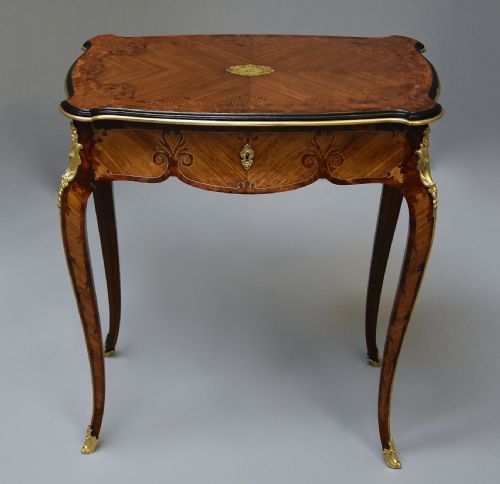
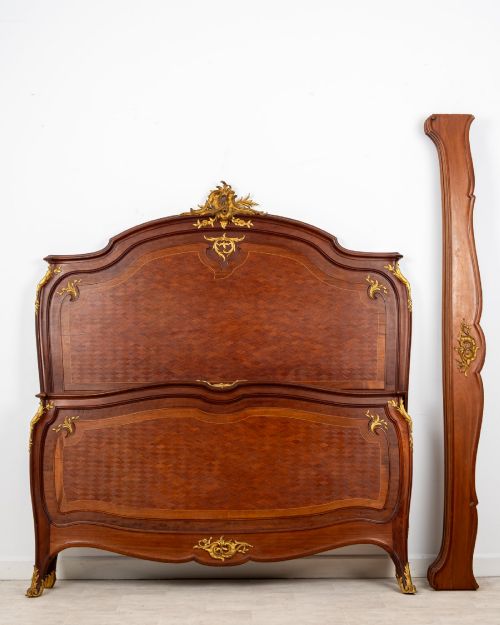
Cabinetmakers utilised dense hardwoods such as walnut, mahogany, and kingwood as carcase foundations, often applying intricate parquetry and marquetry veneers in geometric or floral patterns. Surfaces frequently incorporate painted panels, Vernis Martin decoration, or contrasting burr walnut highlights.
Cast ormolu and gilt-bronze mounts accent the structural corners, handles, and aprons, secured closely to the timber frames. Marble tops in white, grey, or onyx sit flush into shaped serpentine borders on commodes and console tables.
Rococo Style Furniture Retail Price Guide 2026
Typical asking prices for rococo style furniture among the pieces listed under this phrase on Sellingantiques today, from the lower quarter to the upper quarter. They describe what is for sale here now, not the wider market.
The furniture spans the eighteenth century through the 1930s, concentrating largely in the Victorian period and the late nineteenth century.
What varies in quality
The standard of execution in the bronze mounts and hand-carving separates routine cabinetwork from exceptional output. Crisp chisel work on ormolu mounts and deep, fluid relief carving in the solid walnut or giltwood indicate high workshop standards.
The precision of the veneer work and the integration of secondary timbers dictate the durability and refinement of commodes and desks. Selecting pieces with well-matched marquetry and substantial marble tops ensures greater integrity across the form.
Francois Linke·Amleto Bertoni·Edwards and Roberts·L.Martin
The Rococo Style Furniture Glossary
- Ormolu
- Gilt bronze mounted onto furniture frames for decorative accent. This technique involves applying a gold amalgam to bronze through heat.
- Marquetry
- Fitted veneers arranged to create pictorial or geometric designs on tabletops and drawer fronts. Cabinetmakers utilise different coloured woods to achieve tonal contrast.
- Bombe
- A swelling, outward-curved contour found on the sides and fronts of commodes and cabinets. This profile demands advanced woodworking skill to maintain structural strength.
- Vitrine
- A glass-fronted display cabinet designed for porcelain and curiosities. These pieces often feature mirrored backs and glazed side panels.
- Cabriole leg
- An S-shaped furniture leg curving outward at the knee and tapering inward toward the foot. The form derives from animal limbs and typifies the style.
Rococo Style Furniture: Frequently Asked Questions
How do I spot a revival piece?
Revival pieces from the nineteenth century display mechanical saw marks on internal secondary timbers and standard machine-cut dovetails rather than hand-cut joints. The choice of hardware finishes and timber oxidation also helps separate nineteenth-century interpretations from eighteenth-century originals.
Examining the construction of drawer linings and the formulation of the polish reveals the manufacturing period. Workshops working in later centuries often utilised denser tropical secondary woods inside carcases.
Where should I place a commode?
A serpentine commode functions effectively in a hallway or reception room where its decorative marble top and ormolu mounts remain visible from multiple angles. Freestanding placement allows the curved sides and parquetry patterns to be fully appreciated.
Ensure the room maintains stable humidity levels to protect delicate veneers and marquetry inlay from lifting off the underlying timber carcase.
How do I care for giltwood?
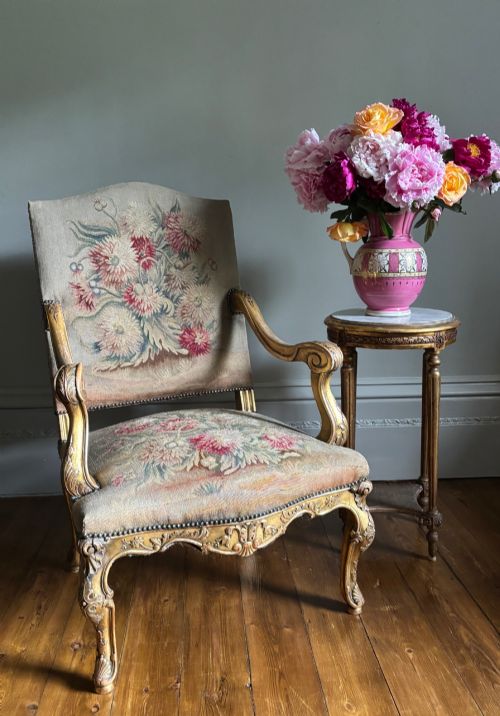
Giltwood surfaces require gentle dusting with a dry, soft brush to prevent damage to the delicate gold leaf layer applied over the carved wooden base. Avoid using commercial sprays, water, or abrasive cloths that dissolve or scratch the metallic finish.
Keep gilded items away from direct sunlight and heat sources to prevent the gesso foundation from drying and cracking over time.
What is a salon suite?
A salon suite consists of matching seating furniture, typically comprising a small sofa and armchairs designed for formal reception rooms. These groupings share identical carved frames, upholstery styles, and wood finishes.
Such suites provided unified seating arrangements for entertaining guests in nineteenth-century drawing rooms and grand parlours.