

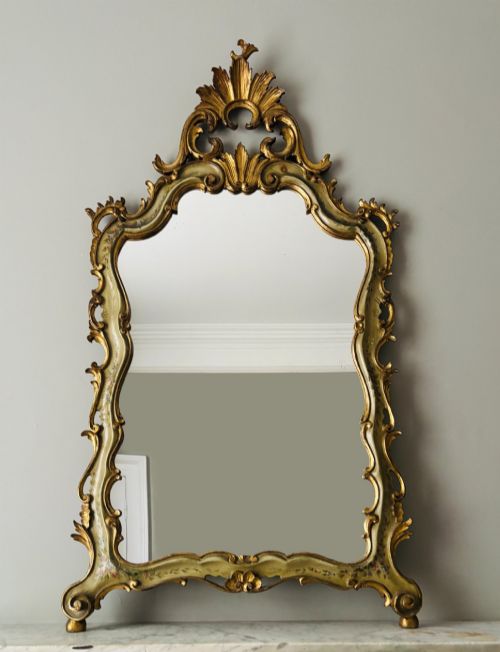
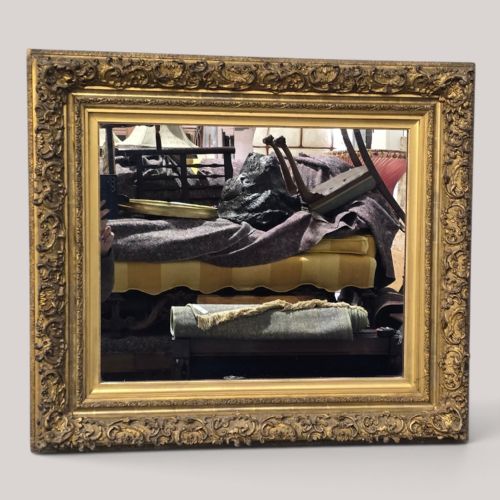
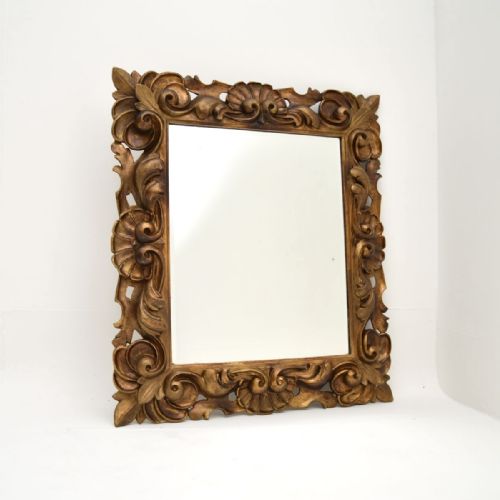

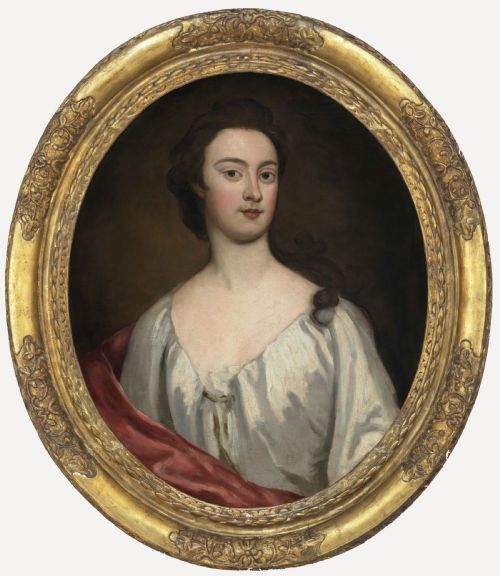
Rococo Gold Frame
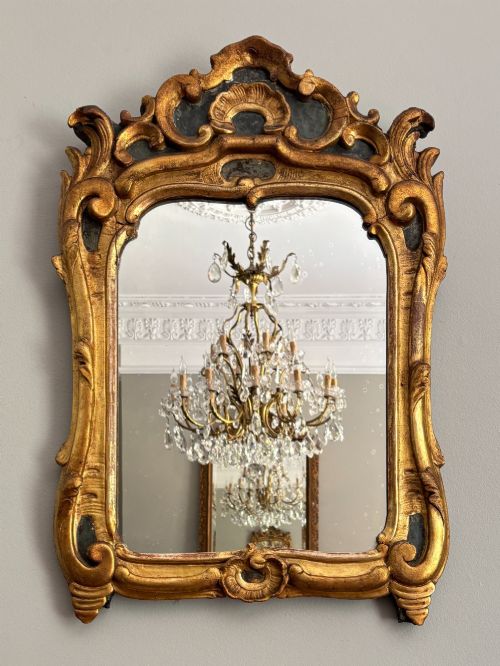
A rococo gold frame brings scrolling asymmetrical curves and luminous metallic warmth to period mirrors and oil paintings.
Rococo Gold Frame
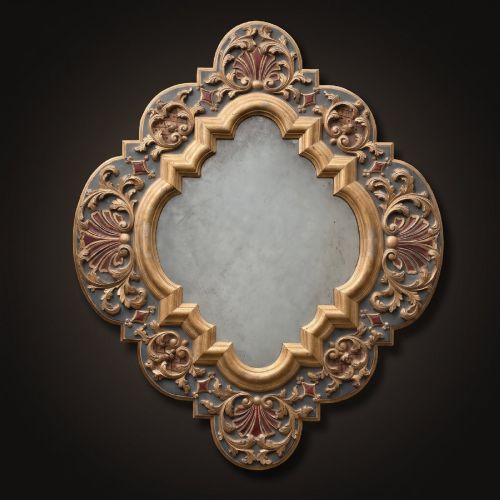
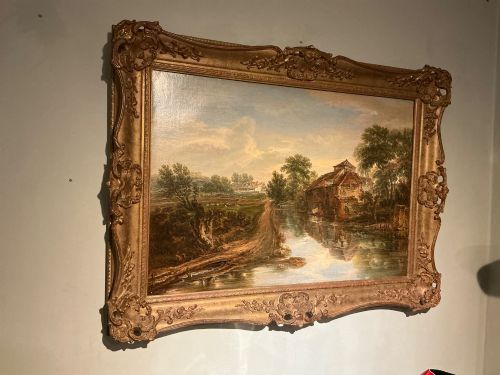
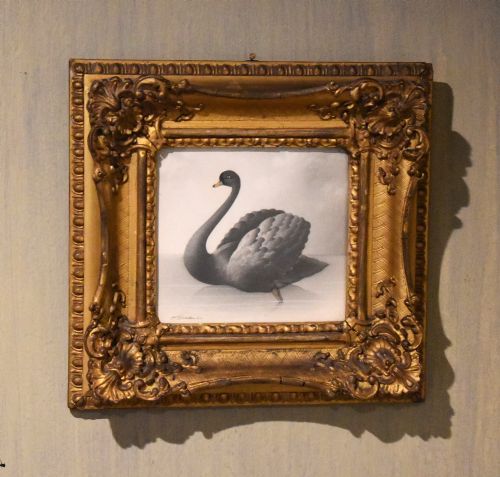
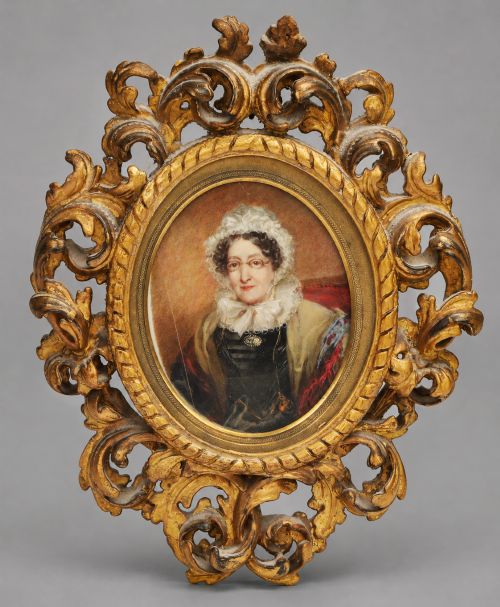
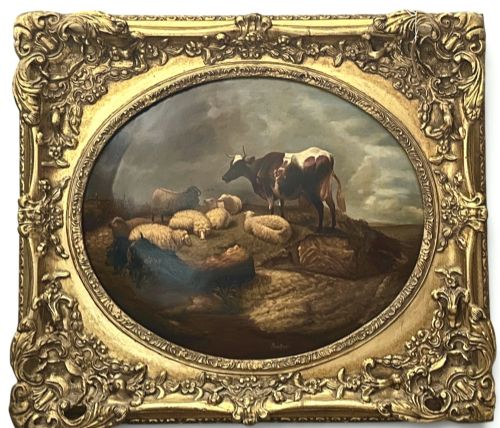
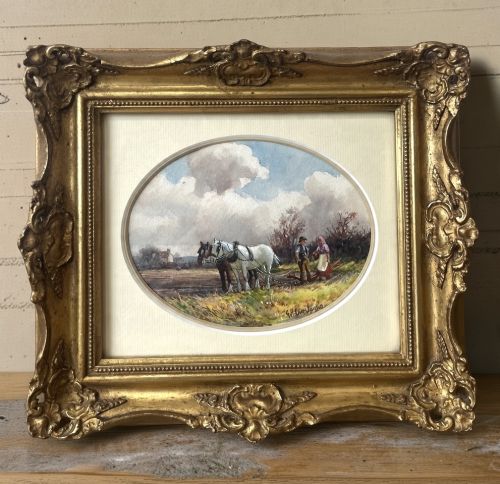
When searching for a rococo gold frame, a buyer encounters ornate decorative woodwork built to house wall mirrors, overmantels, and oil paintings. These pieces originate predominantly from eighteenth and nineteenth-century workshops across England, France, and Italy.
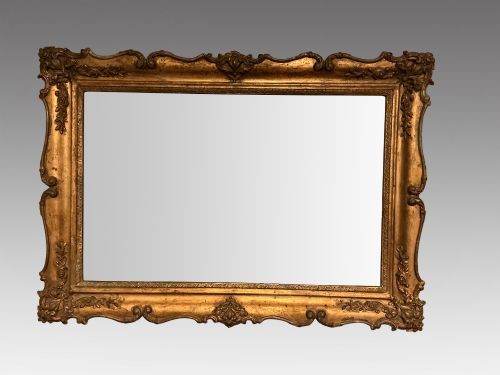
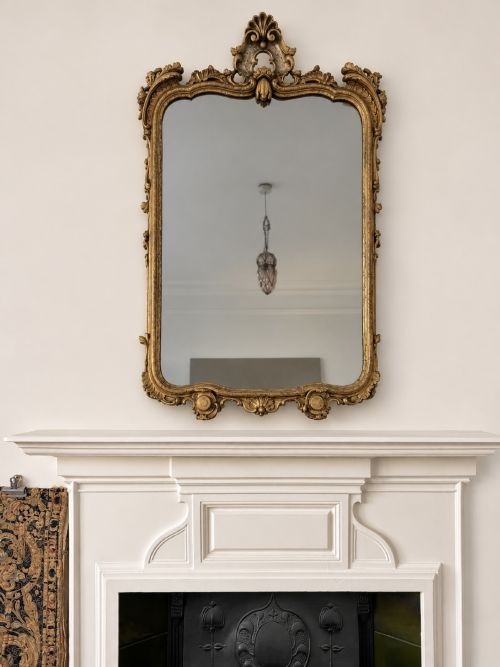
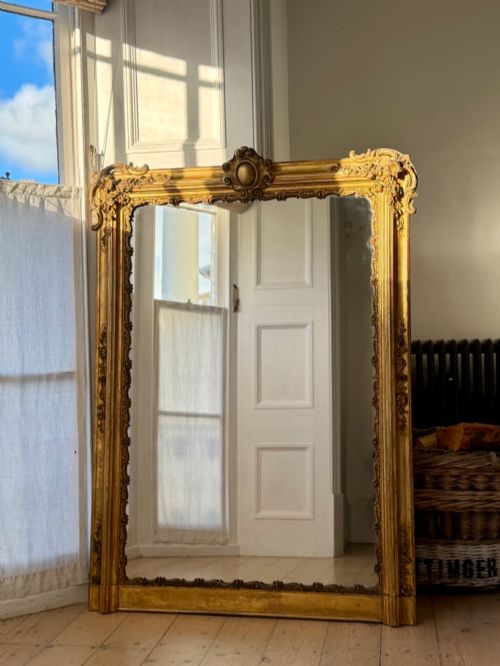
The most common examples on this page are carved wall mirrors and overmantel mirrors finished in gilded surfaces. Pieces range from Georgian and Victorian revivals down to later twentieth-century Florentine interpretations.
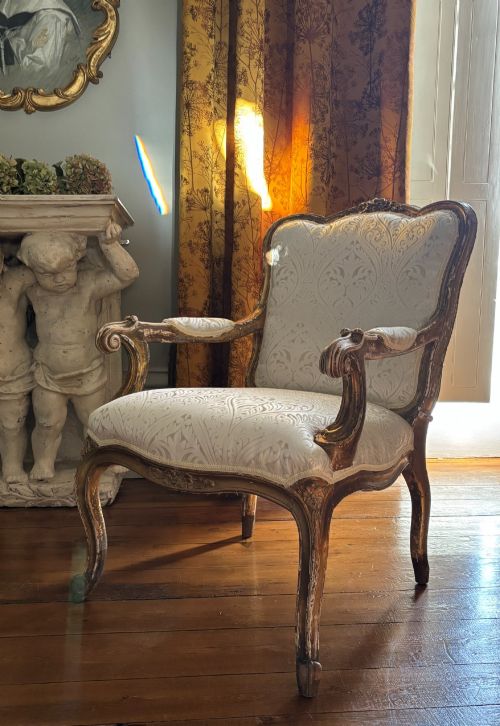
Beyond mirrors and paintings, the style extends to occasional seating such as carved open armchairs and architectural beds. These share the characteristic asymmetrical scrolls and organic motifs typical of French rococo and Italian taste.
How they were made
Makers constructed the primary carcase using timber such as pine, walnut, or oak, carving floral and scrollwork directly into the wood. Craftsmen then applied layers of gesso to smooth the surface before laying gold leaf or gilding over the relief.
Many mirrors incorporate original plate glass or mercury glass held within shaped wooden frames. Oil paintings utilise canvas stretched over wooden frames, paired with matching gilt wood surrounds to complete the piece.
Rococo Gold Frame Retail Price Guide 2026
Typical asking prices for rococo gold frame among the pieces listed under this phrase on Sellingantiques today, from the lower quarter to the upper quarter. They describe what is for sale here now, not the wider market.
Listings feature items spanning the eighteenth, nineteenth, and twentieth centuries, utilising giltwood, gesso, and oil on canvas.
What varies in quality
The depth and crispness of the hand-carving distinguish finer examples from standard production pieces. Skilled artisans created deep, undercut scrolls and naturalistic foliage that retain sharp definition beneath the gilding.
The quality of the gilding and the preservation of the original surface layers dictate the character of the piece. Hand-applied gold leaf over gesso ages with a warm, subtle patina distinct from uniform modern metallic paint.
Henry Pickering·Francois Boucher·Charles Antoine Coypel·Jean Baptiste Van Loo
The Rococo Gold Frame Glossary
- Giltwood
- Wood that has been coated with gold leaf. This finish provides the bright reflective surface characteristic of antique frames.
- Gesso
- A plaster-like mixture applied to wood before gilding. It creates a smooth base suitable for fine carving and detail work.
- Overmantel mirror
- A large mirror designed to hang above a fireplace mantel. These pieces often feature shaped tops and wide gilt frames.
- Mercury glass
- An early type of double-walled glass containing a silvering mixture. It produces a mottled, dark reflection seen in older mirrors.
- Rococo Revival
- A nineteenth-century design movement that imitated eighteenth-century ornamentation. It revived asymmetric scrolls and shell motifs.
Rococo Gold Frame: Frequently Asked Questions
How do I hang a heavy overmantel mirror?
Large overmantel mirrors require secure wall fixings distributed evenly across the timber structure to support the substantial weight of the wood and glass. Professional installation into masonry or wall studs ensures the frame remains stable.
Position the mirror at a height that reflects natural light from windows or illuminates architectural details within the room.
How should I clean a gilded frame?
Dust the carved surfaces gently using a soft, dry brush to prevent damage to the delicate gold leaf and gesso layers. Avoid commercial cleaning sprays and moisture, which can strip the historic finish.
Inspect the carved details periodically to ensure the gesso remains stable and free from flaking.
How do I identify an eighteenth-century frame?
Examine the construction methods visible on the reverse of the wood, noting hand-cut joinery and older fixings. Eighteenth-century examples often feature dense timber substrates and hand-carved details finished with traditional gesso.
Compare the style of the carving against documented regional motifs from French, Italian, or English workshops of the period.
Can I place these pieces in modern interiors?
These ornate frames function effectively as focal points against minimalist walls, creating a deliberate contrast between contemporary spaces and historic craftsmanship. The reflective glass and metallic leaf brighten dark corners and add visual texture.
Pair wall mirrors with neutral backdrops to highlight the complex curves and carved ornamentation.