
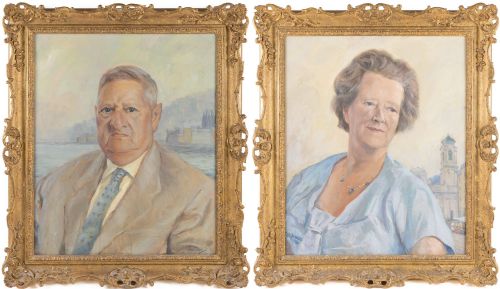

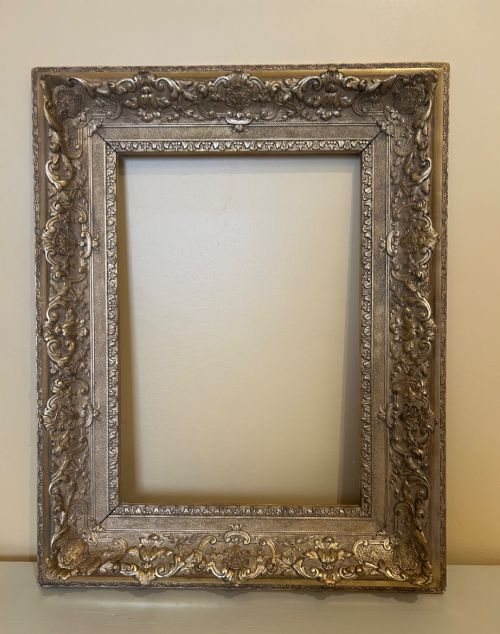
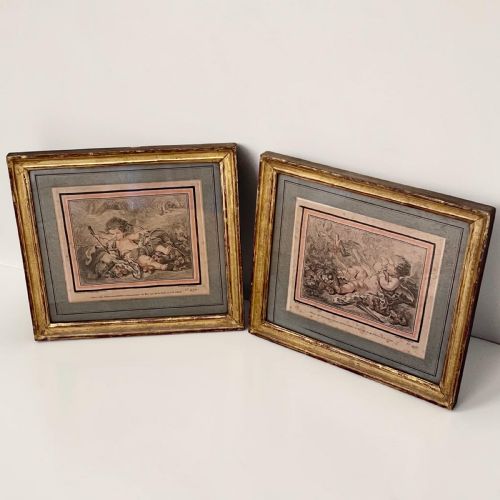
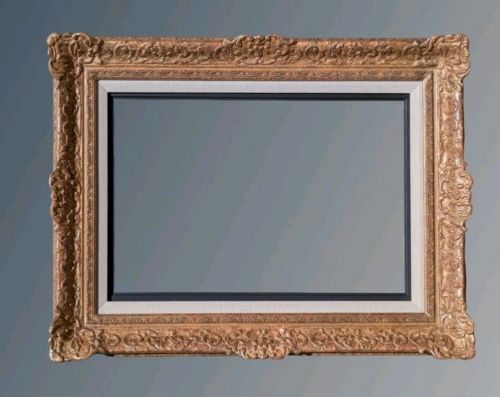

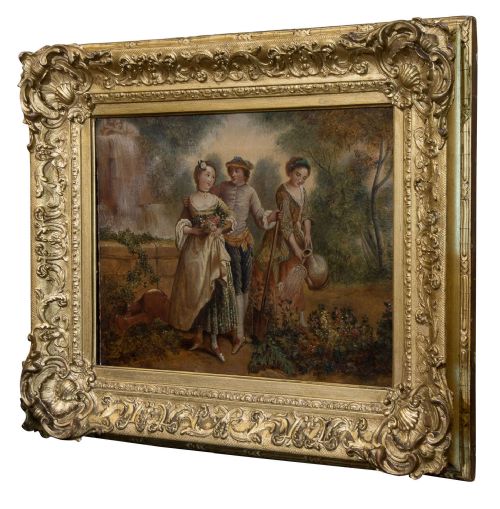

Rococo Gilt Framed Picture
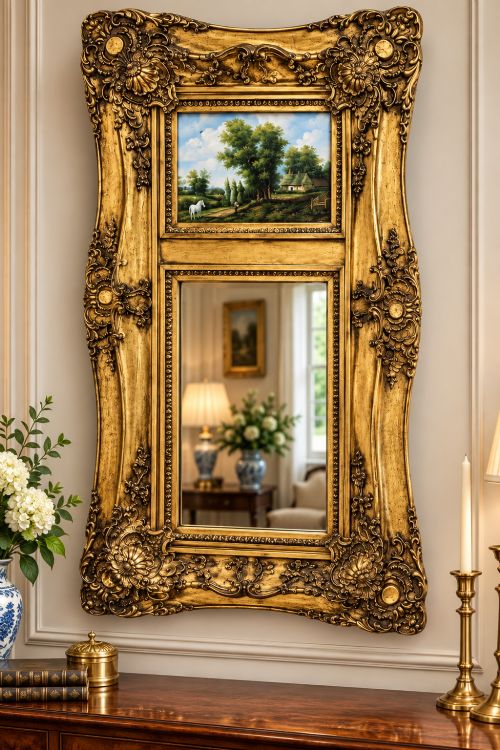
A rococo gilt framed picture brings the fluid, exuberant curves of eighteenth-century design straight to a wall, offering rich metallic warmth and decorative presence.
Materials and construction methods
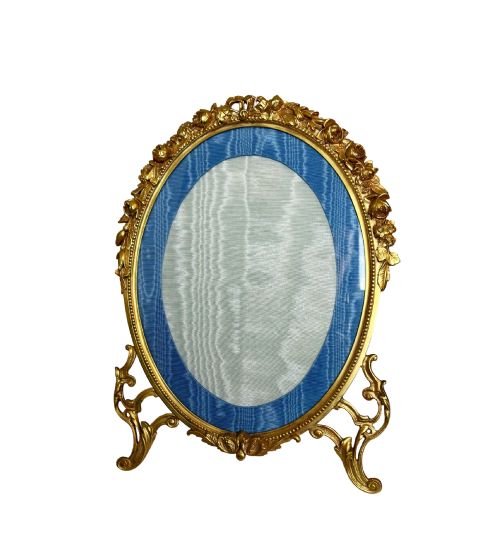
Makers constructed the frames using carved wood or gesso moulded over a wooden base, applying gold leaf or giltwood to achieve a luminous metallic finish. This combination allowed artisans to shape high-relief scrolls, floral garlands, and acanthus leaves that reflect light from multiple angles.
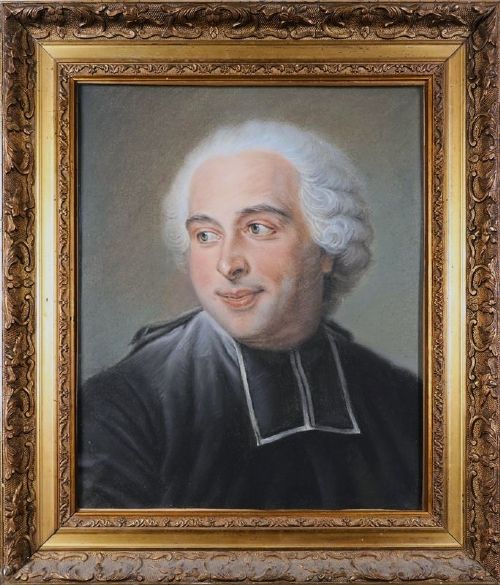
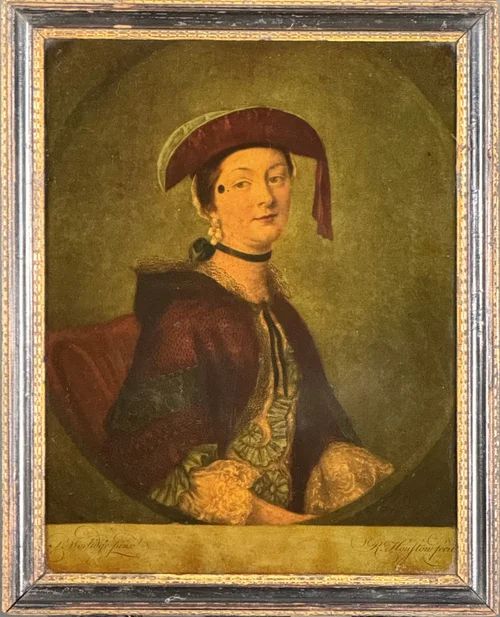
Artworks within these surrounds utilise canvas, panel, paper, or copper plaque supports for mediums such as oil, pastel, watercolour, and reverse painted mezzotint. The physical depth of the frame often creates a distinct shadow box effect, drawing the eye directly toward the internal image or mirror glass.
Assessing quality and craftsmanship
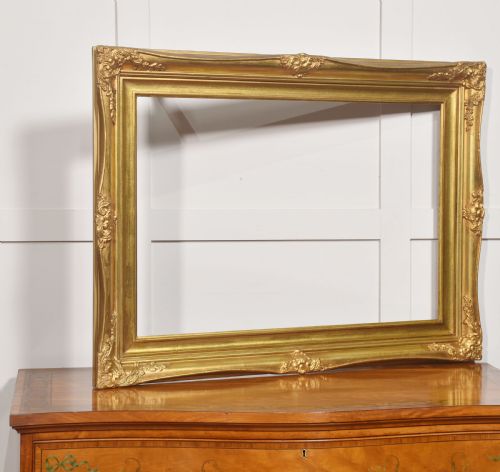
The crispness of the carved or moulded ornamentation dictates visual success, where sharp undercut foliage and deliberate asymmetry outrank soft, rounded plaster casts. Superior examples exhibit hand-chased detail within the gesso layer prior to gilding, ensuring the metallic surface catches light cleanly across every scroll.
The harmony between the artwork and its surround influences overall desirability, particularly when an eighteenth-century canvas or engraving retains its original period frame rather than a later pairing. Depth of moulding, weight of the timber, and the subtlety of the gold leaf application further separate standard decorative items from exceptional works.
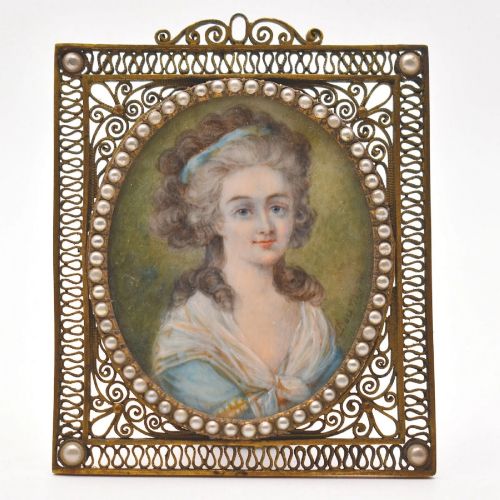
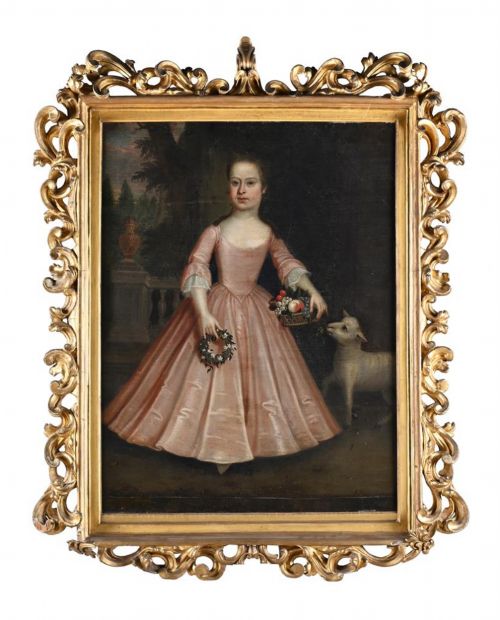
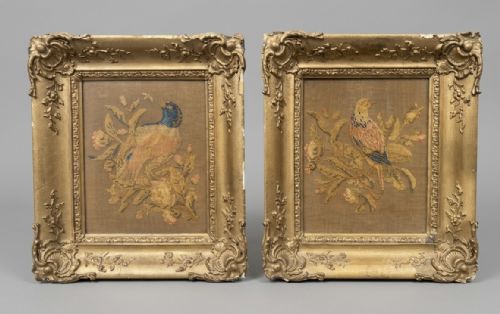
Napoleon watches silently from a set of massive prints, sharing space with delicate embroidered birds and a miniature of a woman wearing seed pearls.
Charles Spooner·Demarteau·Dumont·Jonny Gaston·William Miller Frazer
The Rococo Gilt Framed Picture Glossary
- Gesso
- A plaster-like mixture applied to wood frames as a base for gilding. Artisans carved and stamped intricate patterns into this layer before applying gold leaf.
- Giltwood
- Timber that has been coated with gold leaf or metallic powder. It provides a warm, reflective surface that ages with a soft patina.
- Swept frame
- A frame moulding featuring dynamic, sweeping curves and deep profiles. This design style is particularly common in nineteenth-century revivals of earlier aesthetics.
- Mezzotint
- A printmaking process where the copper plate is roughened to achieve rich tonal gradations and dark backgrounds. It was frequently used for reproducing portraits in the eighteenth century.
- Rococo revival
- A nineteenth-century artistic movement that returned to the ornate, asymmetrical ornamentation of the mid-eighteenth century. It favoured curves, C-scrolls, and naturalistic motifs.
Rococo Gilt Framed Picture: Frequently Asked Questions
How do I date a rococo gilt framed picture?
Dating relies on examining the construction of the wooden backing, the composition of the gesso, and the medium of the internal artwork. Eighteenth-century pieces often display hand-carved wooden substrates and older joining techniques, whereas later revivals use machine-cut timber and heavier moulded plaster.
Examining the wear on the gold leaf and the style of the fixings provides further clues. Original pins, handmade screws, or early paper labels on the reverse help anchor the piece to a specific century.
Are these frames original to the paintings?
Many paintings and frames have travelled together for generations, while others were paired during subsequent centuries to enhance the visual impact. Inspecting the rabbet at the back of the frame reveals whether the artwork has rested there long enough to leave matching pressure marks.
Signs of adjustment, such as altered rebate sizes or mismatched age between the canvas and the gilding, suggest a marriage of separate items. Both original pairings and considered later matches remain common in this category.
Where should I hang a heavily gilt piece?
These pieces thrive in rooms with controlled natural light that can play across the gold leaf without subjecting the artwork to direct, damaging sunbeams. Placing them against darker, matte wall colours allows the reflective metallic surfaces to stand out effectively.
Consider eye level placement or positioning them above a fireplace mantel to make the most of their architectural proportions. Their decorative weight works well as a solitary focal point or interspersed within a gallery wall.