
Rococo Gilt Bronze Light
A rococo gilt bronze light brings fluid, asymmetric warmth and ornamental brilliance to a room, drawing on eighteenth-century French design traditions.
Rococo Gilt Bronze Light
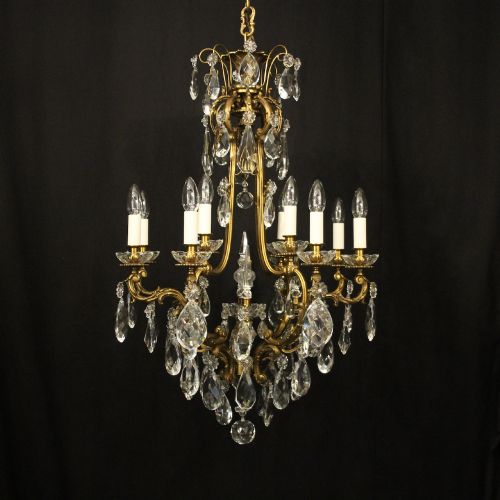
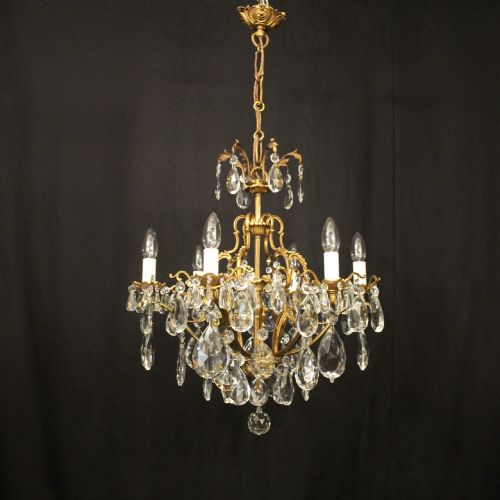
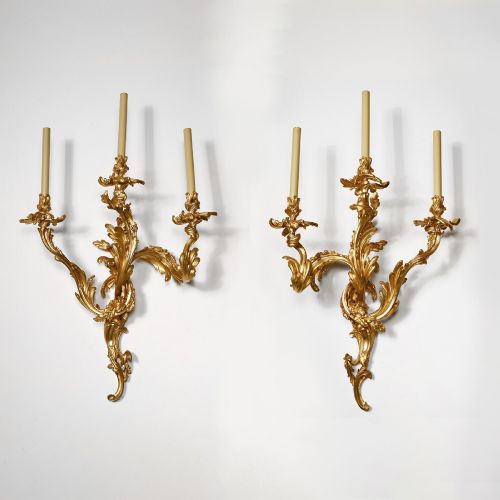
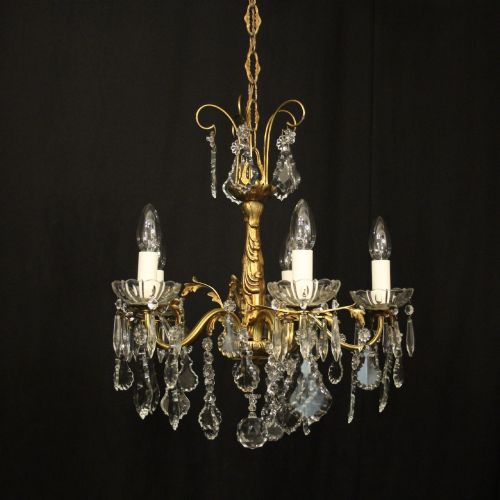
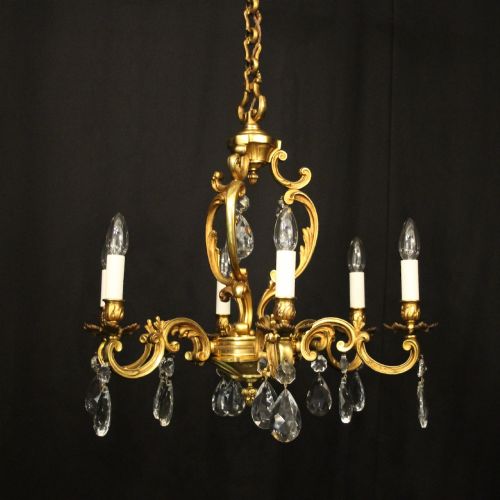
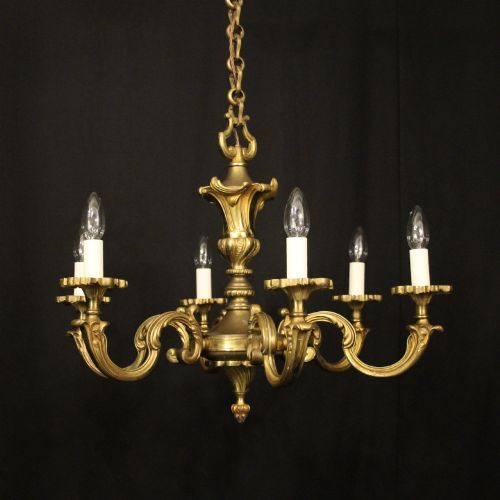
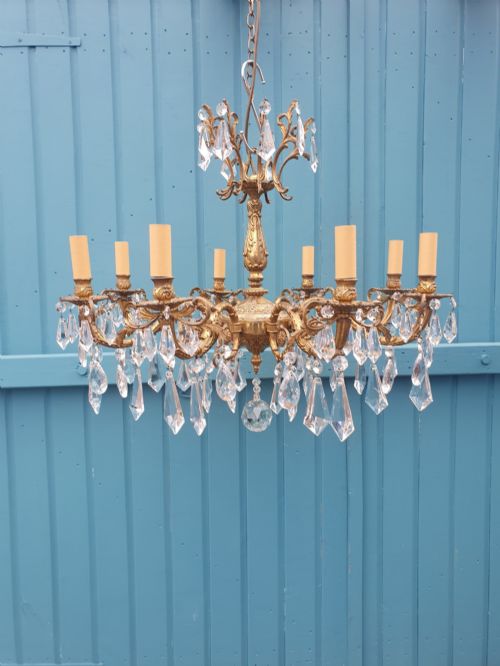
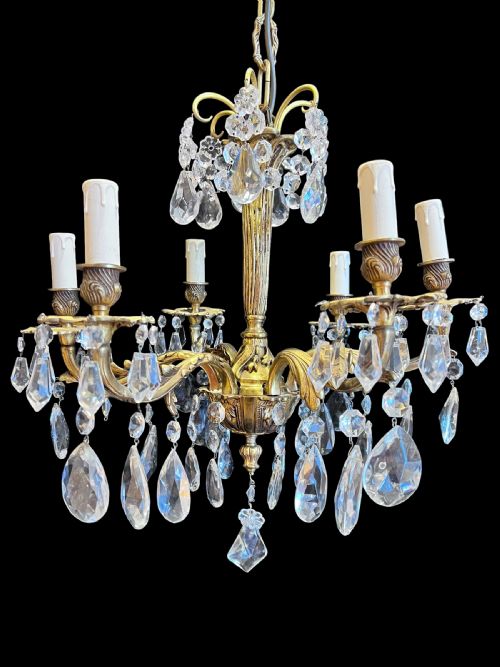
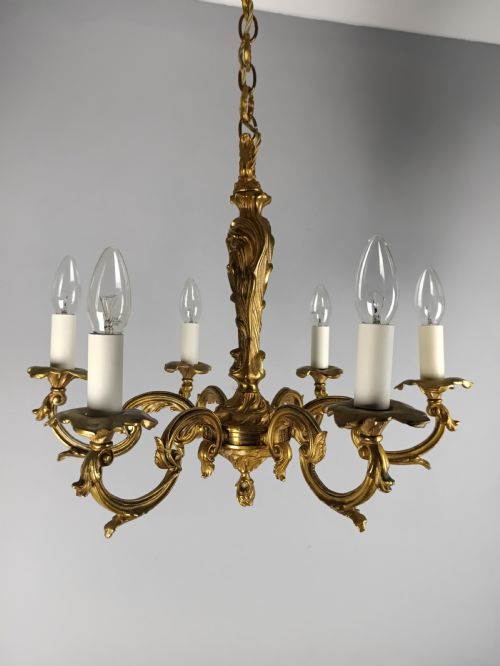
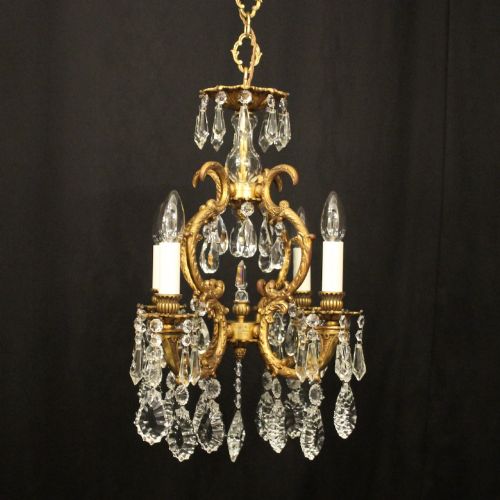
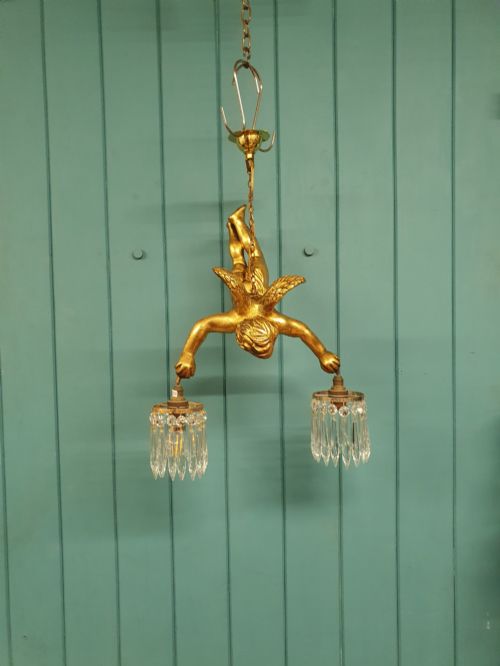
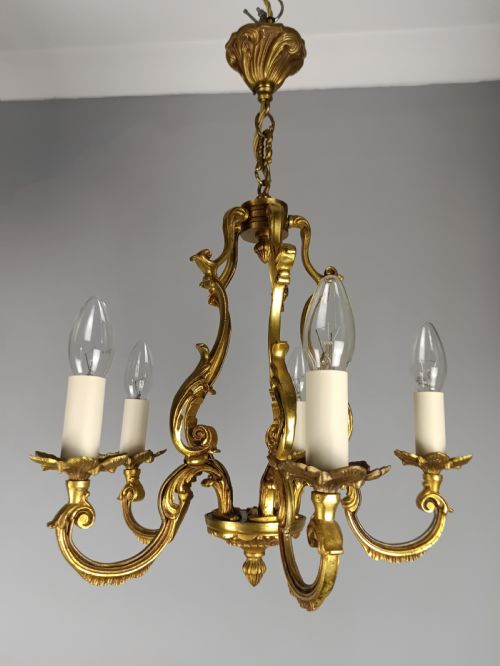
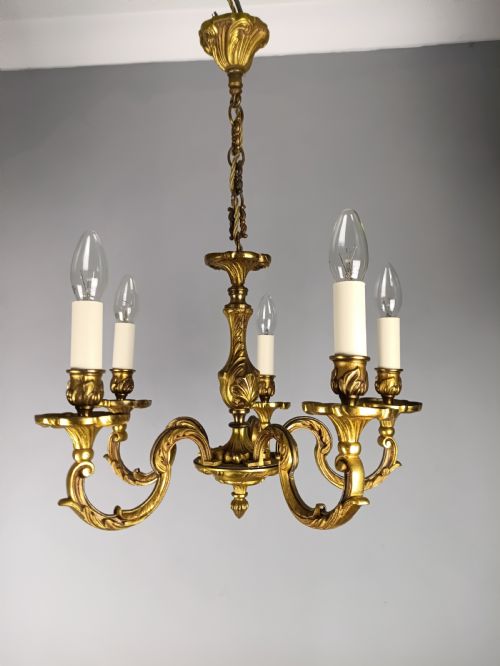
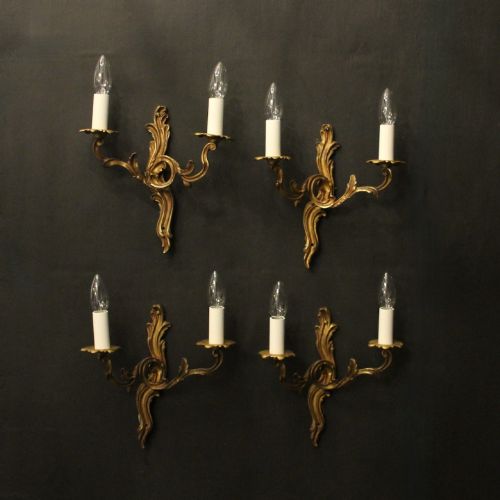
When searching for a rococo gilt bronze light, collectors typically encounter wall lights, chandeliers, and candelabra originating from French workshops across the nineteenth and early twentieth centuries. These pieces display the characteristic asymmetric scrolls, floral motifs, and shell forms defining the Louis XV revival style.
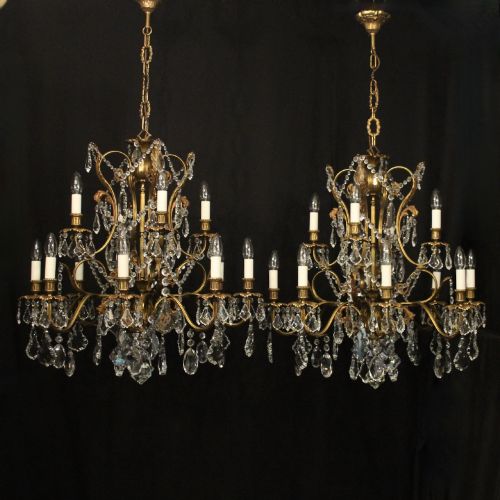
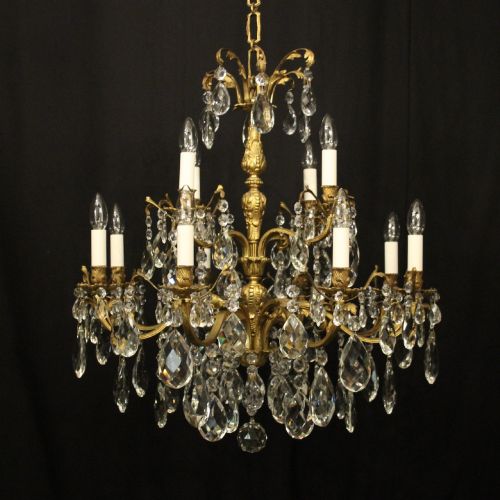
The selection ranges from petite single-bulb table lamps and twin-arm wall sconces to multi-light chandeliers embellished with cut glass crystal drops. Many date from the interwar period of the 1920s and 1930s, alongside nineteenth-century examples bearing deeper patination.
Wall lights and appliques appear frequently in pairs or matched sets, often wired for modern electrical use while retaining their historic metalwork frames. Candlesticks and girandoles from the eighteenth century represent the earlier foundational forms of these decorative lighting fixtures.
Materials and Technique
Makers utilised bronze, brass, and spelter as base metals, applying fire gilding or ormolu techniques to create a rich, golden surface finish. This metallic foundation was frequently combined with cut glass and crystal prisms to refract candlelight or electric illumination.
Cast components were chased by hand to sharpen the intricate leaf scrolls, cherubs, and floral garlands typical of French rococo ornament. Porcelain flowers and painted elements occasionally supplement the metalwork, adding delicate colour and texture to the composition.
The object forms range from single table lamps and ewers to twenty-five light chandeliers and opposing wall sconces.
Assessing Quality
The standard of a rococo gilt bronze light rests upon the crispness of the original metal chasing and the depth of the gilding layer. Superior examples display sharply defined asymmetry without mechanical stiffness in the scrollwork.
Heavier casting gauges and integrated construction without clumsy joints distinguish finer sculptural candelabra and wall sconces from simpler mass-produced variants. The clarity and cut of associated crystal pendants similarly mark the distinction between standard and superior pieces.
The Rococo Gilt Bronze Light Glossary
- Ormolu
- Gilded bronze produced by applying an amalgam of gold and mercury to a bronze base and heating it until the mercury vaporised. This historic technique yields a durable, matte golden lustre.
- Girandole
- A branched wall light or sconce incorporating a mirror backplate to reflect and multiply the candlelight. The glass plate is often bevelled and framed in ornate gilt bronze.
- Applique
- A French term for a wall-mounted light fixture or sconce designed to fix directly onto wood panelling or plastered walls. They typically feature twin or triple arms.
- Chasing
- The manual finishing process where artisans use small punches and hammers to refine the details of a metal casting. Deep, clean chasing distinguishes superior rococo metalwork.
Rococo Gilt Bronze Light: Frequently Asked Questions
How do I clean gilt bronze?
Dust gently with a soft, dry brush to prevent accumulation in the recessed scrollwork of the rococo casting. Avoid abrasive metal polishes that strip away the historic gilt surface.
Moisture should be kept away from wired components and crystal fittings during routine maintenance. Professional conservation is advised for heavier restoration work.
Were these lights electrified later?
Many surviving wall lights and chandeliers from the nineteenth and early twentieth centuries were converted from candles or gas to electricity. Rewiring is common to meet modern safety standards while preserving the antique metal body.
Conversion methods vary depending on the workshop and the era of adaptation. Careful inspection of the internal wiring channels reveals how the adaptation was achieved.
How do I date these pieces?
Stylistic clues such as the boldness of the rococo revival casting and the type of construction screws help establish the period. Nineteenth-century examples often display heavier bronze casting and deeper wear to the gilding.
Twentieth-century reproductions or revivals from the 1920s and 1930s tend to use lighter brass bases or simpler assembly methods. Comparing the patination with known dated pieces aids accurate attribution.