


Rococo Chandelier
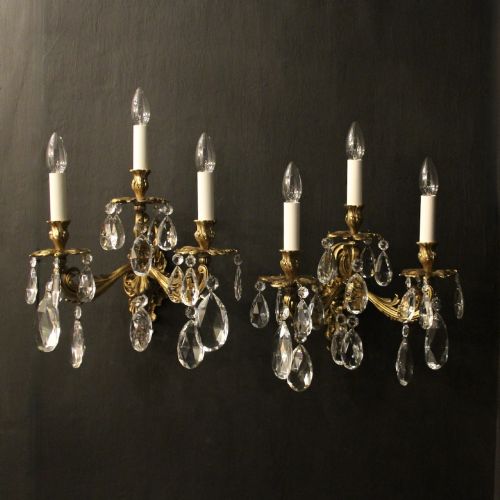
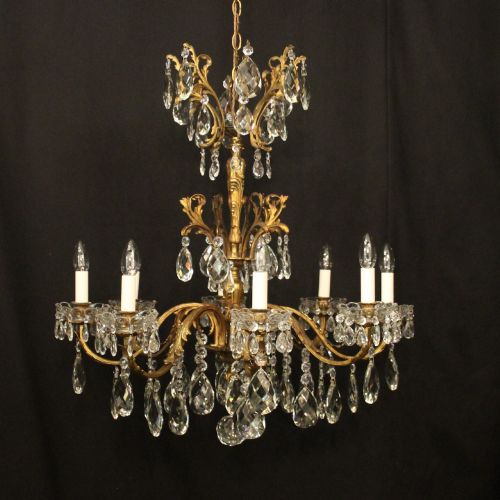
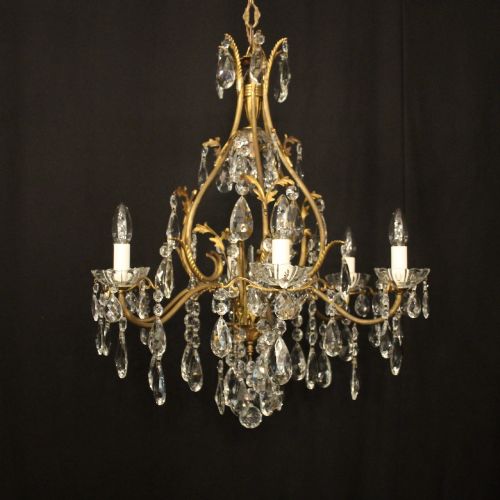
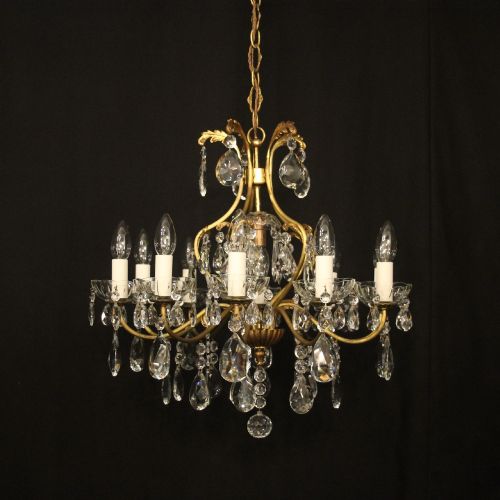
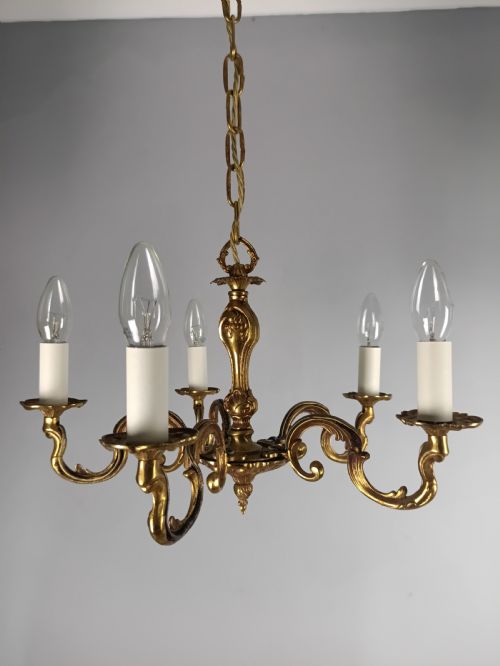
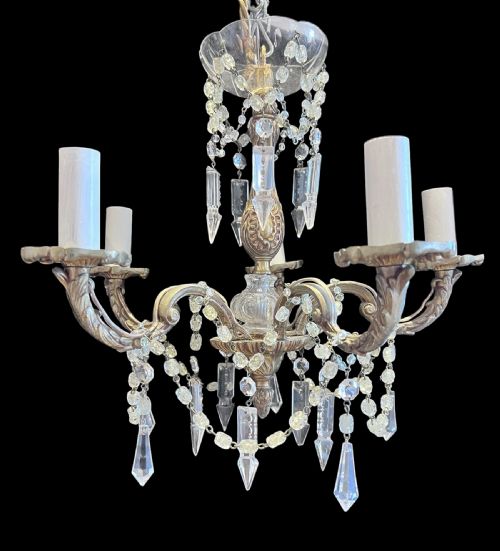
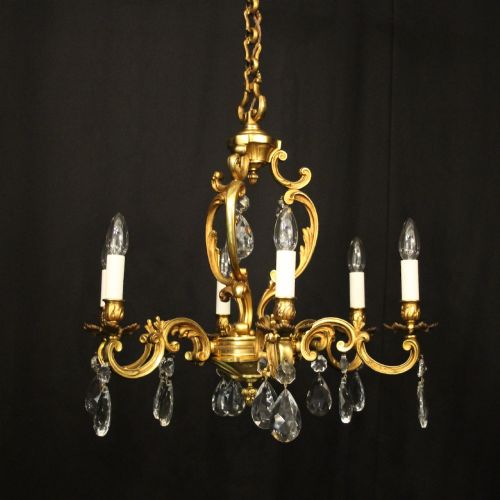
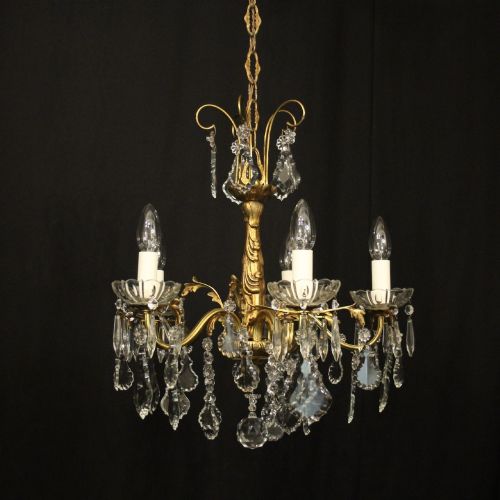
A rococo chandelier brings fluid asymmetry and sparkling illumination into a room, defined by ornate gilt metalwork and glittering crystal drops.
Rococo Chandelier
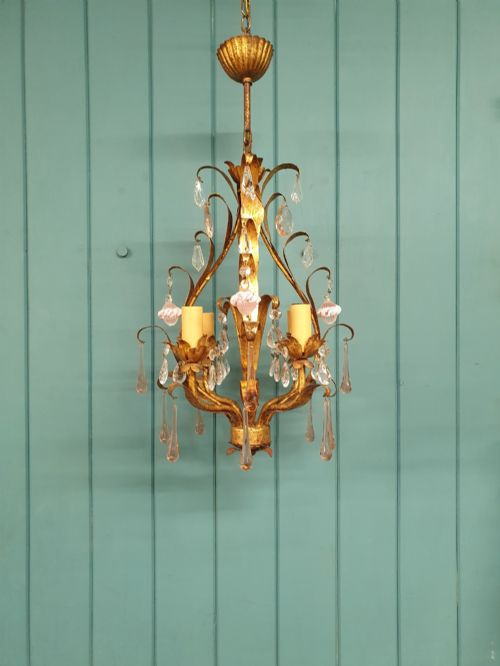
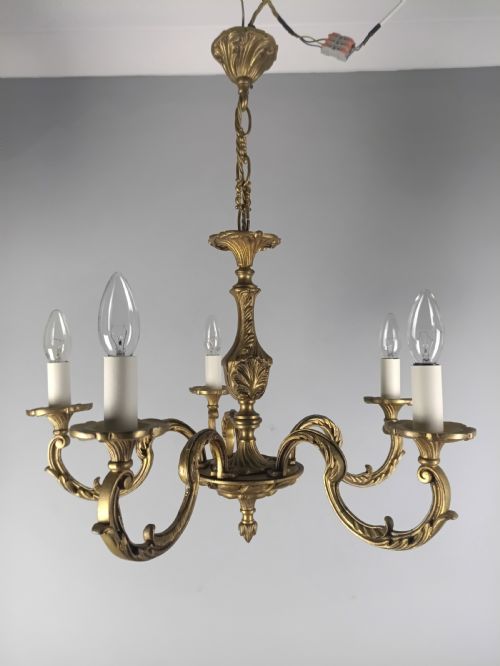
When someone searches for a rococo chandelier, they encounter elaborate overhead lighting fixtures shaped by asymmetrical scrolls, botanical motifs, and exuberant ornamentation. The pieces available here originate predominantly from French and Italian workshops spanning the late nineteenth century through the nineteen-thirties, reflecting enduring revivalist tastes.
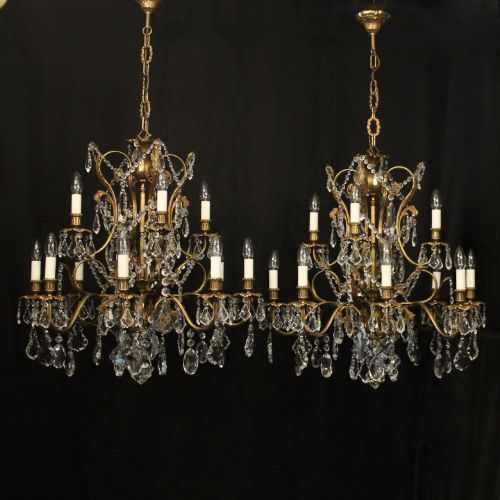
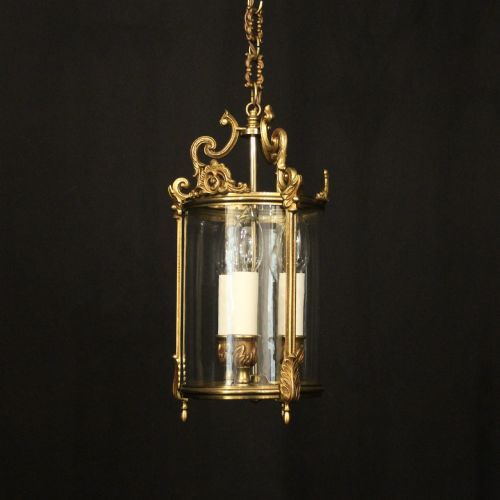
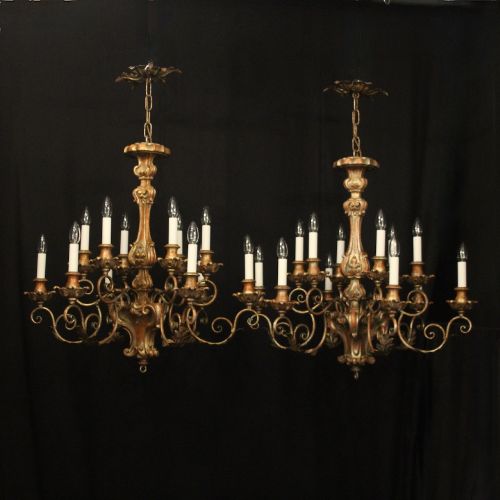
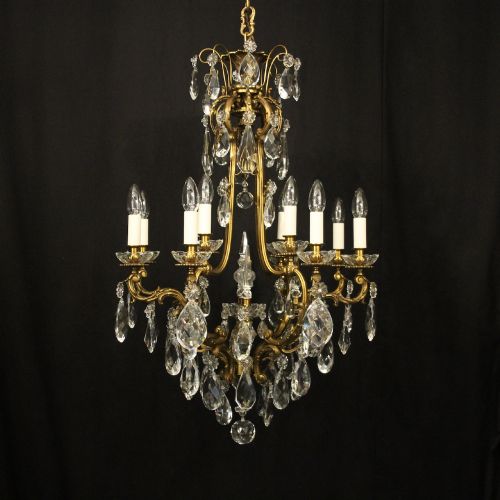
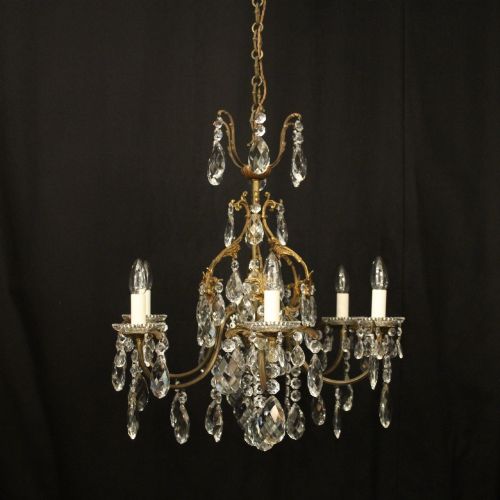
Most examples take the form of multi-arm hanging ceiling lights constructed from gilt brass, bronze, or ormolu, frequently dripping with cut glass and crystal pendants. Alongside standard chandeliers, buyers will find related lighting variants including wall sconces, hall lanterns, and birdcage designs featuring differing numbers of candle arms.
The aesthetic draws heavily on historical French chateau designs and Italian classicism, yielding forms that range from modest three-light fittings to twenty-five-light centrepieces. These fixtures serve as dominant decorative elements in a room, combining functional illumination with sculptural metal and glass work.
Materials and construction
The foundational structures rely on cast or forged metals such as brass, bronze, ormolu, and occasionally wrought iron or spelter, which are then gilded, silvered, or left in a dark bronze finish. These metal frames support multiple branching arms, candle cups, and central stems designed to distribute weight evenly across the ceiling.
Hanging elements are fashioned from cut glass and crystal, sometimes incorporating coloured crystals or delicate porcelain flowers to enhance the visual display when lit. Components are wired or threaded together, with glass drops suspended by fine metal pins to catch and refract light from the internal bulbs or candles.
Rococo Chandelier Retail Price Guide 2026
Typical asking prices for rococo chandelier among the pieces listed under this phrase on Sellingantiques today, from the lower quarter to the upper quarter. They describe what is for sale here now, not the wider market.
Listings span the nineteenth century through the nineteen-thirties, utilising brass, bronze, and cut crystal across French and Italian revival styles.
Evaluating craftsmanship and detail
Quality in these lighting fixtures rests on the crispness of the metal casting and the depth of the gilding applied to the bronze or brass frame. Finer examples display deeply chased ornamentation with sharply defined scrollwork and botanical details, whereas simpler pieces show softer, flatter casting surfaces.
The cut and clarity of the crystal components also set pieces apart, with precision-cut glass producing sharper light refraction than moulded alternatives. Furthermore, the structural complexity, ranging from basic single-tier frames to multi-tiered birdcage constructions with numerous light arms, dictates the overall visual impact.
The Rococo Chandelier Glossary
- Ormolu
- Gilded bronze, produced by applying a finely ground mercury-gold amalgam to a bronze object and heating it to drive off the mercury. This technique creates a durable, rich golden surface finish seen on superior antique frames.
- Birdcage chandelier
- A lighting fixture featuring a skeletal metal frame shaped like a cylindrical or domed birdcage, enclosed by strings of cascading crystals. This construction style allows light to reflect internally through the central vertical axis.
- Spelter
- A zinc alloy frequently utilised as a cost-effective alternative to bronze for decorative metal figures and mounts. It takes plating and patination well, often finished to resemble heavier metals.
- Sconce
- A wall-mounted lighting fixture designed to hold candles or electric lamps, echoing the decorative motifs of matching ceiling chandeliers. These fixtures project outward from the wall surface on supporting brackets.
- Marie Theresa
- A distinct style of chandelier characterised by a flat metal band frame completely covered in glass plates and embellished with flat crystal garlands and pendants. Originating in central Europe, these pieces offer a flatter profile than armed designs.
Rococo Chandelier: Frequently Asked Questions
How do I clean a crystal chandelier?
Maintenance involves wiping individual glass drops and metal arms with a soft cloth dampened in a mild water and vinegar solution, ensuring the power remains switched off.
For intricate pieces, spray cleaners specifically formulated for chandeliers allow the solution to drip off without requiring the removal of every single crystal pendant.
Can these antique chandeliers be rewired?
Most antique lighting fixtures can be safely modernised to meet contemporary electrical standards by a qualified electrician using modern wiring and lamp holders.
Rewiring ensures the internal components comply with current safety regulations while preserving the original exterior metalwork and glass configuration.
What ceiling height do I need?
Hanging a large multi-arm chandelier requires careful consideration of room proportions and clearance space, particularly in rooms with standard ceiling heights.
Many fixtures include adjustable chain lengths, allowing them to be positioned at an appropriate level above furniture or open floor spaces.
How do I distinguish French and Italian styles?
French designs typically emphasise robust gilt bronze casting with naturalistic rococo scrollwork and chateau-inspired ornamentation.
Italian pieces frequently incorporate softer brass frames, delicate porcelain floral additions, or lighter structural arrangements reminiscent of classic Venetian traditions.