

Rococo Ceiling Fixture
These ornate pieces of illumination known as a rococo ceiling fixture bring elaborate historic French and Italian forms into domestic interiors.
Rococo Ceiling Fixture
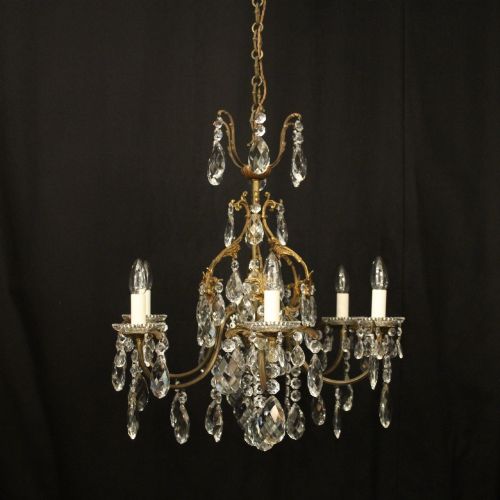
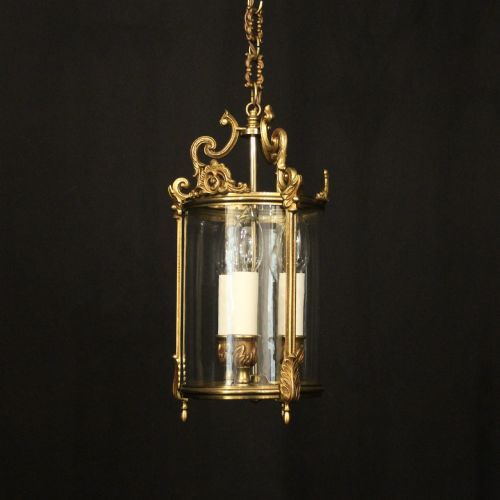
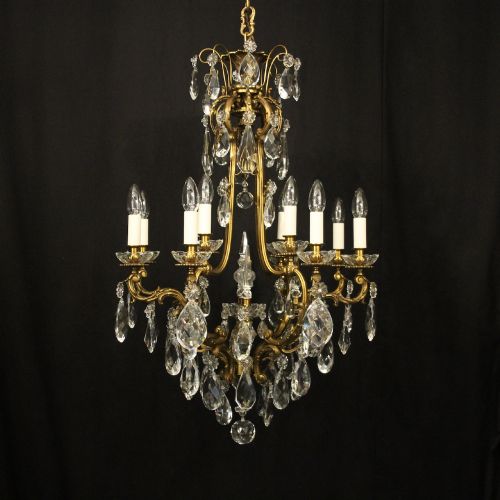
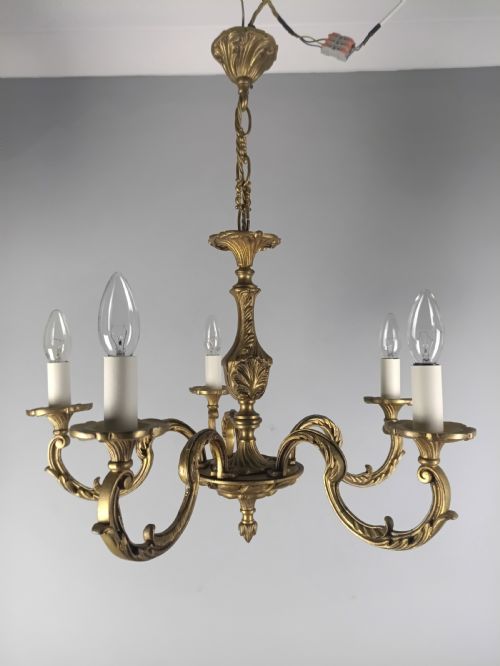
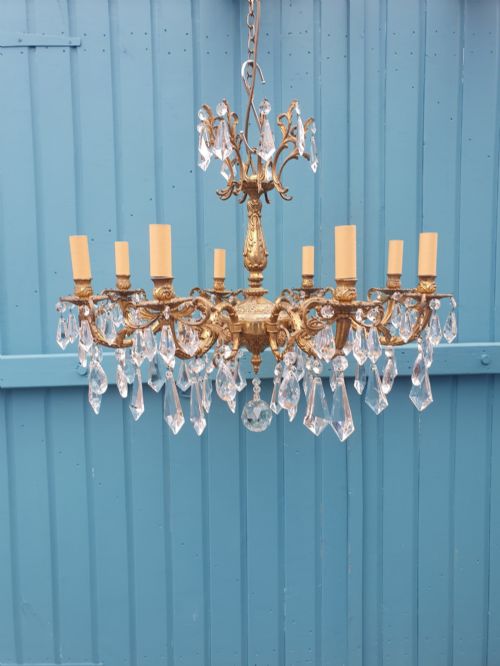
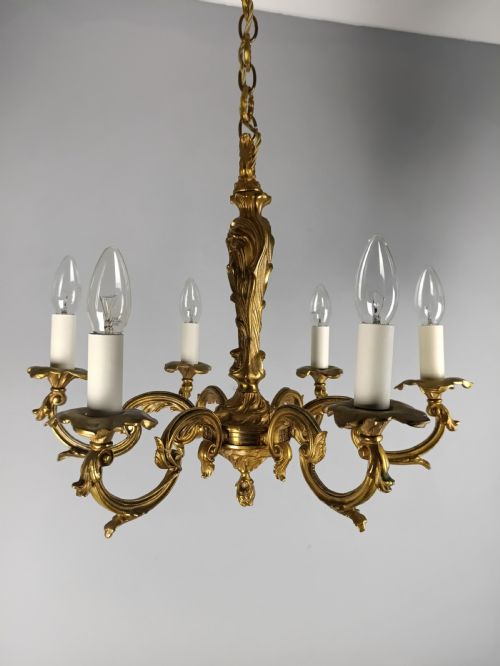
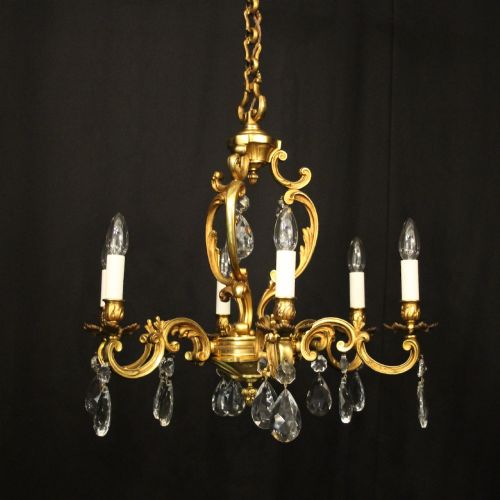
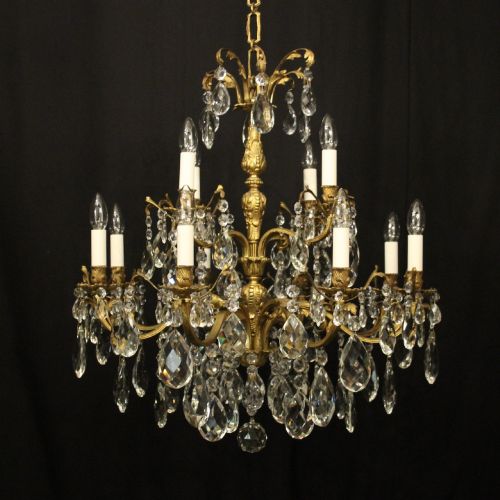
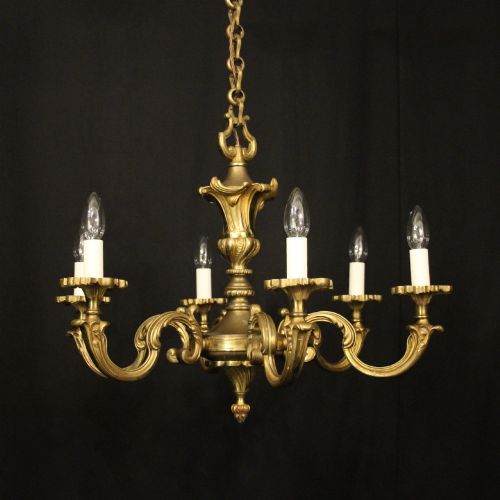
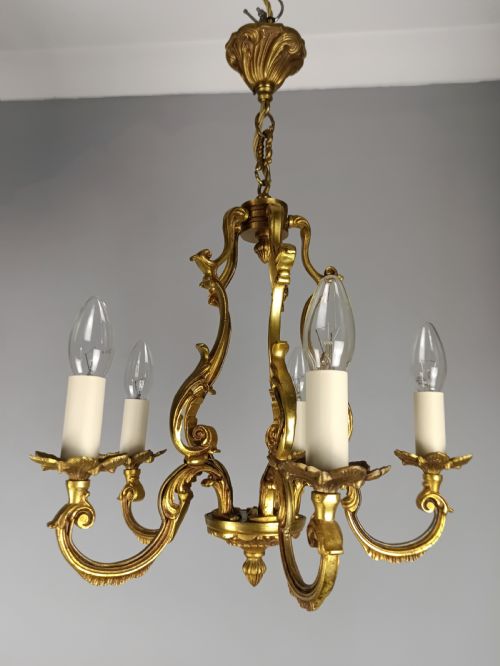
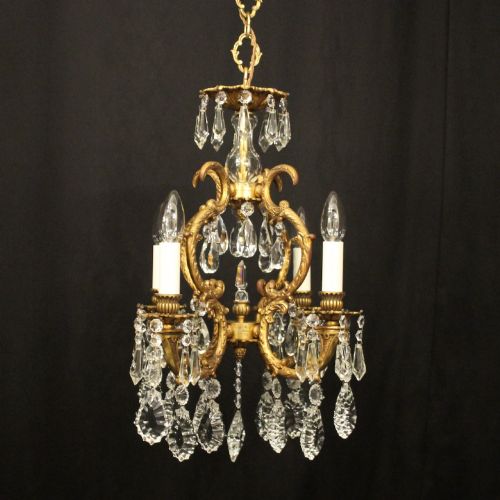
When you examine a rococo ceiling fixture, you look at chandeliers, hanging lanterns, and ceiling lighting originating mainly from French and Italian workshops. The pieces span the late nineteenth century and the early decades of the twentieth century, including revival periods such as Louis XV style.
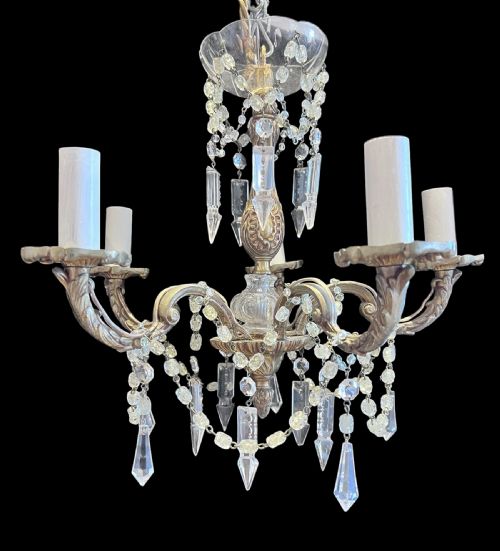
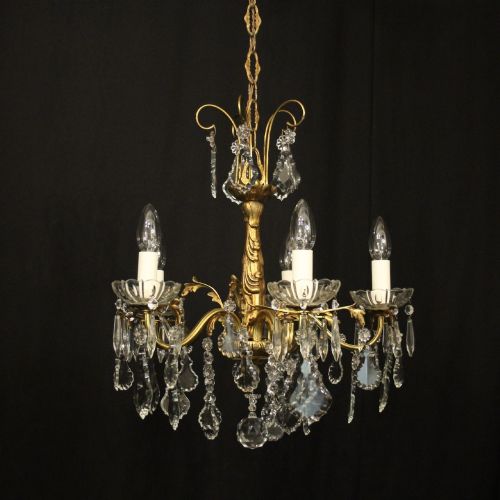
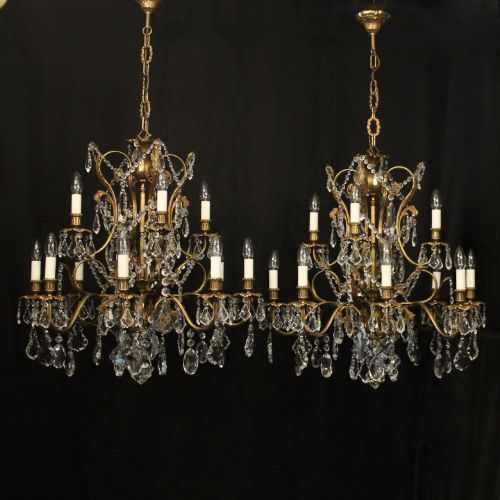
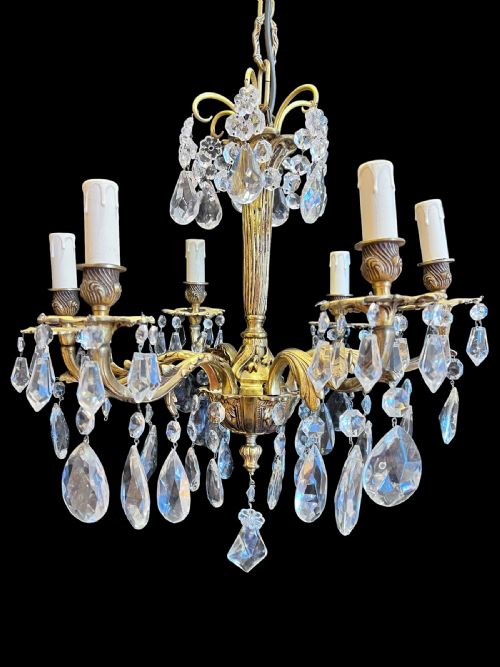
You are most likely to meet multi-light chandeliers and pendant fittings configured with brass, bronze, or gilt metal frames. These often incorporate hanging glass and crystal elements suspended in symmetrical or birdcage arrangements.
Distinctions in standard
The density and clarity of the crystal drops define the upper tier of these fittings, alongside the depth of the metal casting. Heavier gilt bronze and finely chased ormolu frame details separate more ambitious commissions from simpler brass or spelter alternatives.
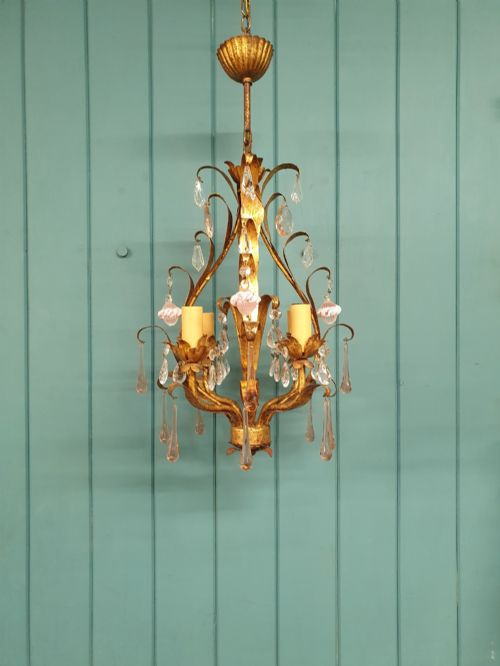
The complexity of the arm configuration and the integration of secondary decorative elements, such as polychrome pigments or porcelain blossoms, indicate the level of craftsmanship invested in the original piece.
Rococo Ceiling Fixture Retail Price Guide 2026
Typical asking prices for rococo ceiling fixture among the pieces listed under this phrase on Sellingantiques today, from the lower quarter to the upper quarter. They describe what is for sale here now, not the wider market.
Current listings feature pieces spanning from the late nineteenth century through to 1930, predominantly originating from French and Italian sources.
The Rococo Ceiling Fixture Glossary
- Ormolu
- A gilded bronze technique used extensively on nineteenth and twentieth-century French metalwork. It provides a rich golden surface finish to cast mounts and arms.
- Birdcage chandelier
- A specific frame construction where metal ribs curve upwards to resemble the silhouette of a birdcage. Crystal strands and drops are draped across this open framework.
- Spelter
- An alloy of zinc used as a less expensive alternative to bronze for cast figures and decorative mounts. It is frequently painted or gilded to simulate more precious metals.
- Cut glass
- Glass shaped by grinding and polishing facets onto the surface to increase light refraction. It forms the shimmering drops and pendants suspended from the arms.
Rococo Ceiling Fixture: Frequently Asked Questions
How do I clean a crystal chandelier?
Careful maintenance involves wiping individual crystal drops and glass components with a mild cleaning solution while supported by hand. This prevents undue strain on the delicate wire fixings that attach the glass to the frame.
Harsh chemical sprays can damage the gilt surface of the brass or bronze armature underneath. Regular dusting with a soft cloth keeps the metalwork and glass bright without requiring full disassembly.
Were these fixtures originally electrified?
Many surviving examples from the late nineteenth and early twentieth centuries were adapted from candle power or manufactured during the transition to electricity. Wiring configurations vary according to the decade of production and subsequent rewiring.
Professional inspection of the internal electrical components ensures safety during installation in modern ceilings. The original socket covers and candle tubes often reflect the period aesthetic of the fitting.
What rooms suit a large chandelier?
Generous proportions and multi-light configurations require adequate ceiling height and floor space to balance the visual weight of the metal and crystal. Formal reception rooms and high-ceilinged entrance halls accommodate larger multi-arm fixtures most effectively.
Smaller pendant lanterns and three-light fittings suit more intimate spaces where expansive metal arms would overwhelm the room dimensions. Scale remains the primary consideration when selecting a fixture for a specific interior.
How are French and Italian styles different?
French designs lean towards elaborate gilt bronze frames, birdcage arrangements, and structured crystal cascades reflecting Louis XV revival aesthetics. The metalwork emphasises crisp casting and formal symmetry.
Italian variations occasionally introduce whimsical elements like porcelain flowers or lighter brass frameworks. These regional interpretations provide a softer decorative presence within the broader rococo tradition.