



Rococo Bronze Wall Brackets
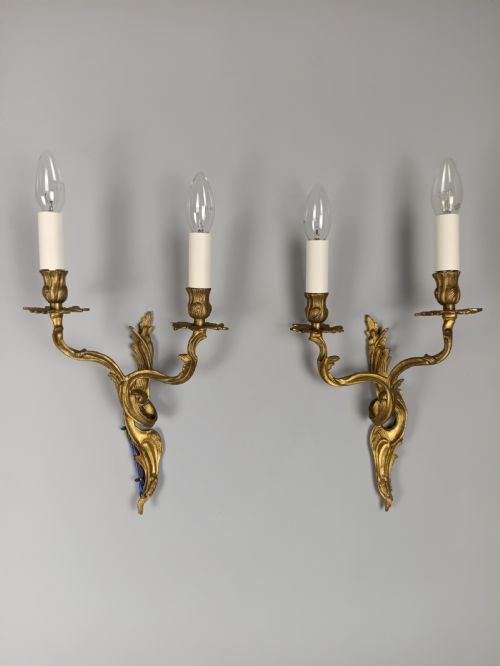
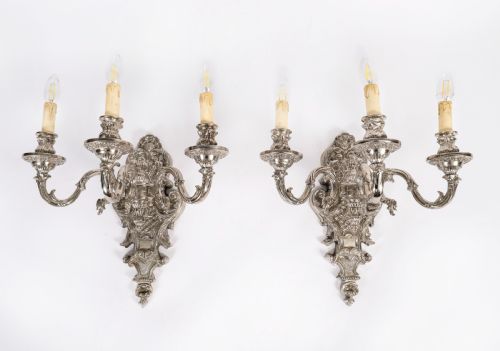
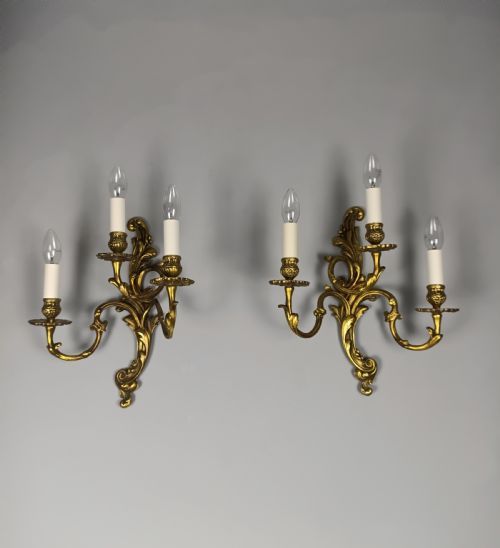
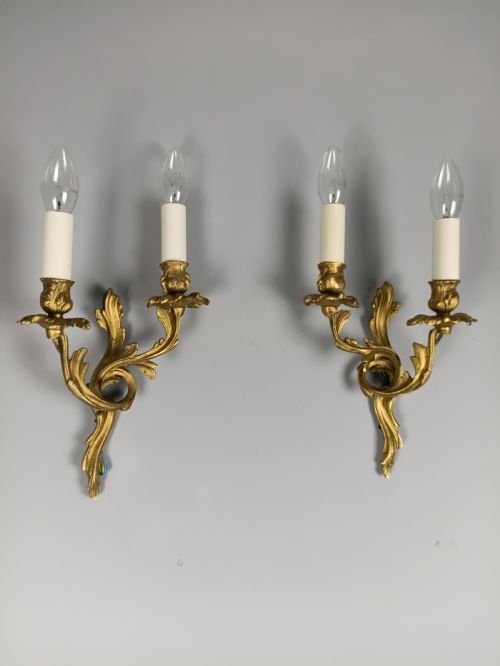
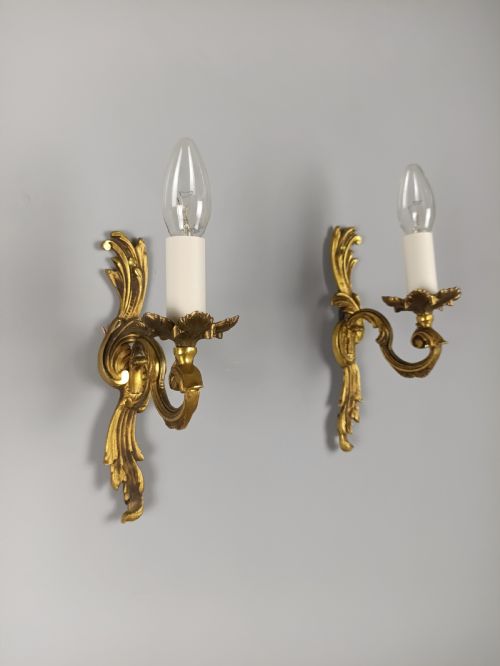
These rococo bronze wall brackets bring exuberant French style to interiors, offering elaborate scrolling and rich gilded surfaces that catch candlelight and electric light alike.
Rococo Bronze Wall Brackets
When you search for rococo bronze wall brackets, you encounter heavily ornamented lighting fixtures and shelf supports designed for interior walls. The selection here leans heavily towards French provincial and revival pieces produced across the nineteenth and early twentieth centuries.
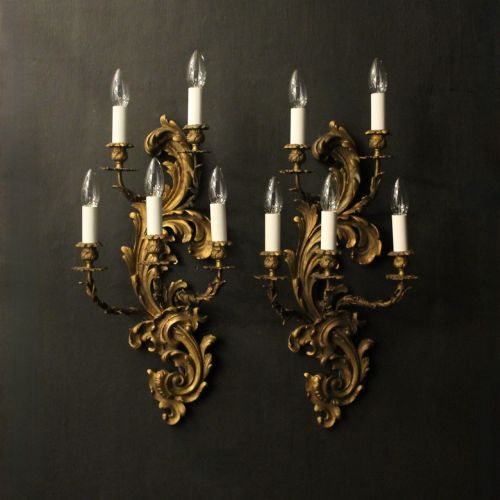
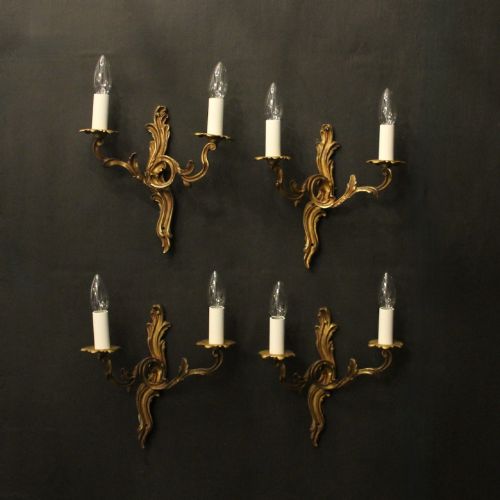
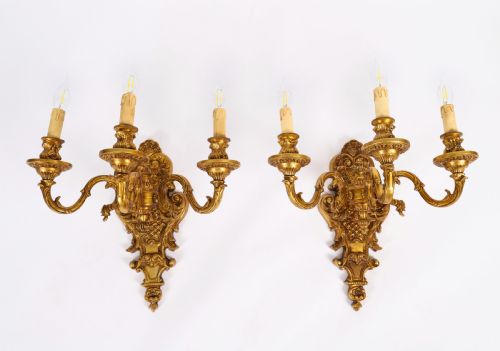
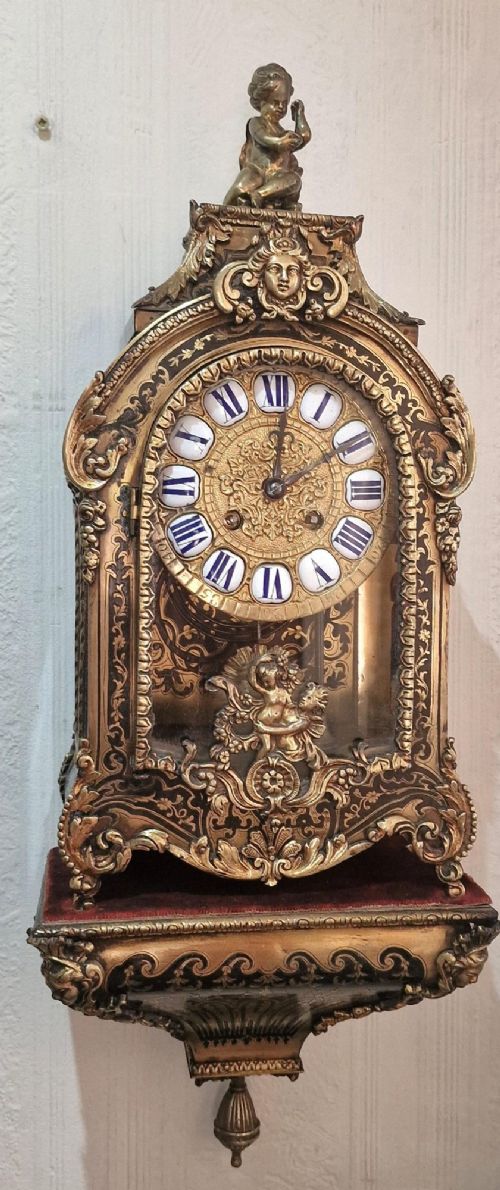
Most examples function as wall lights or sconces with single, twin, or triple arms designed to project illumination across a room. Alongside lighting, the category includes supporting shelves and clock brackets featuring the characteristic asymmetric scrolls of the Louis XV style.
Origins trace principally to French workshops operating in periods from the late eighteenth century through to the nineteen thirties. These items range from compact pairs to extensive sets intended for formal reception rooms.
How they were made
Foundry work relied on casting bronze, brass, or metal into intricate moulds capturing organic flora and shell motifs. Artisans then applied mercury gilding or modern electroplating to achieve the bright ormolu finish characteristic of the style.
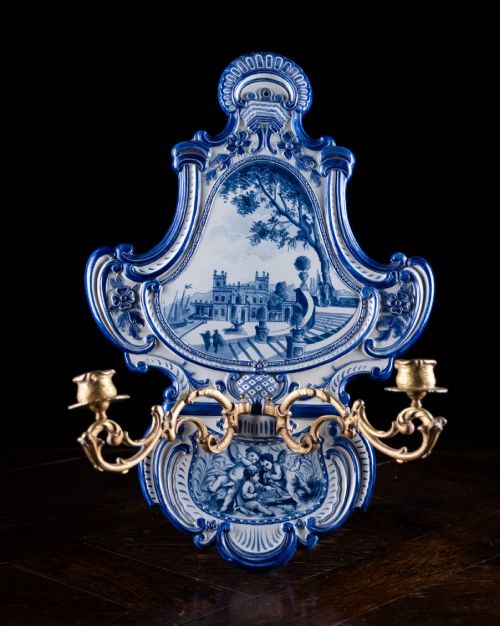
Assembly involved joining multiple cast arms, backplates, and drip pans using threaded components or pins. Selected pieces incorporate ceramic plaques, enamel dials, or blue and white porcelain elements integrated directly into the metal armature.
Rococo Bronze Wall Brackets Retail Price Guide 2026
Typical asking prices for rococo bronze wall brackets among the pieces listed under this phrase on Sellingantiques today, from the lower quarter to the upper quarter. They describe what is for sale here now, not the wider market.
Tortoiseshell surfaces hide inside the ticking heart of Boulle clock brackets.
What varies in quality
The crispness of the chased detail defines the upper tier of these pieces, where artisans hand-tooled the cast metal to sharpen acanthus leaves and scrolls. Softer contours and blurred casting seams indicate more commercial production runs from later revival periods.
Weight and metal thickness also separate standard items from superior examples, as heavier castings allow for deeper relief work. The durability of the gilded surface and the integrity of any applied porcelain or enamel components further determine the tier of the piece.
Henri Marc
The Rococo Bronze Wall Brackets Glossary
- Ormolu
- Gilded bronze produced by applying a mercury-gold amalgam to a bronze base and heating it until the mercury vaporised. This historic technique creates a warm, enduring lustre found on better French lighting.
- Applique
- A wall-mounted lighting fixture or decorative sconce fixed directly to vertical surfaces. These items often feature matching backplates designed to mirror surrounding wall panels.
- Boulle
- A marquetry technique combining tortoiseshell and brass inlay developed in France. It appears on clock cases and associated wall brackets from the nineteenth century.
- Sconce
- A wall-mounted light fixture holding one or more candles or electric lamps. The arm structures typically project forward from a decorative backplate.
- Rococo Revival
- A nineteenth-century artistic movement reviving the curved lines and asymmetry of the mid-eighteenth-century French court style. This aesthetic dominates the scrolls and foliate motifs seen on these brackets.
Rococo Bronze Wall Brackets: Frequently Asked Questions
What are rococo bronze wall brackets?
These pieces are decorative wall-mounted fixtures, including arm lights, sconces, and supporting shelves created in the ornate, asymmetric French style. They combine metal casting with ornate scrolling and gilding.
Most items serve as functional lighting designed to mount directly onto plaster or wood-panelled walls in pairs or larger sets.
How were they used historically?
Historically, these brackets held wax candles to illuminate grand rooms, reflecting light off gilded metal surfaces to maximise brightness. They were placed in pairs flanking mirrors, doorways, or fireplaces.
Later examples continued this decorative placement, often converted to electricity while retaining their original aesthetic purpose.
How do I install wall sconces safely?
Many surviving pieces arrive rewired for modern electrical standards, ready for professional mounting to wall junction boxes. Qualified electricians should handle the wiring connection to ensure structural and electrical safety.
Due to the weight of solid bronze and brass castings, secure wall anchors matching the specific wall substrate are essential.
How do I distinguish periods?
Examining the casting quality, fastening methods, and material composition helps separate mid-nineteenth-century originals from twentieth-century revival pieces. Earlier items often display hand-chased surface details and heavier bronze content.
Style nomenclature in listings, such as Louis XV or Rococo Revival, also points towards the design inspiration and manufacturing era.