

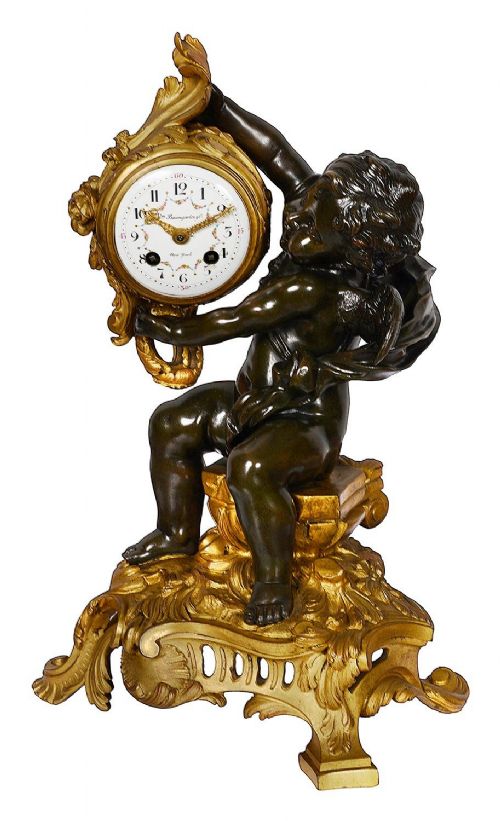

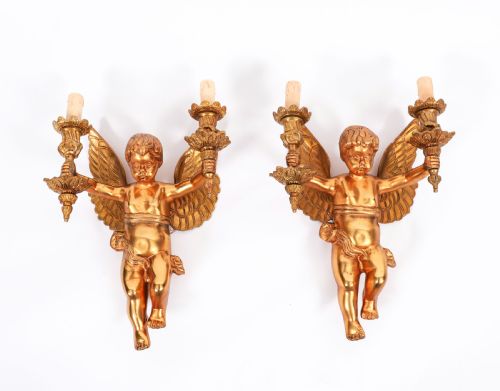


Rococo Bronze Putti
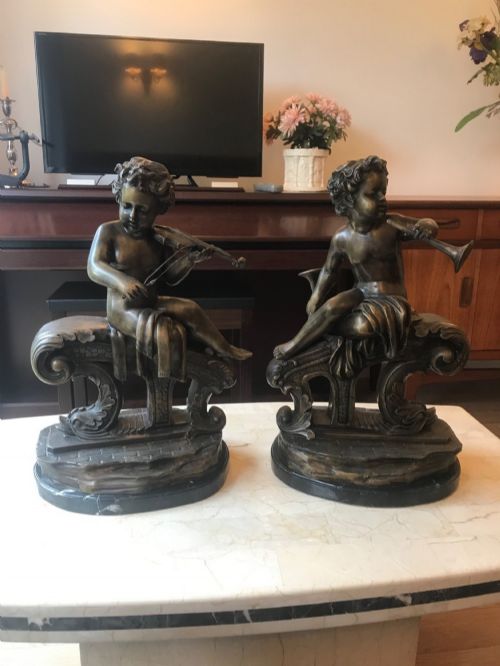
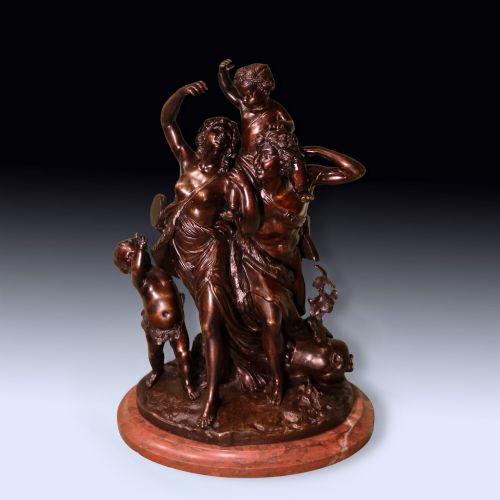
Rococo bronze putti bring lively movement and classical charm to interiors through finely cast figures of winged infants.
Rococo Bronze Putti
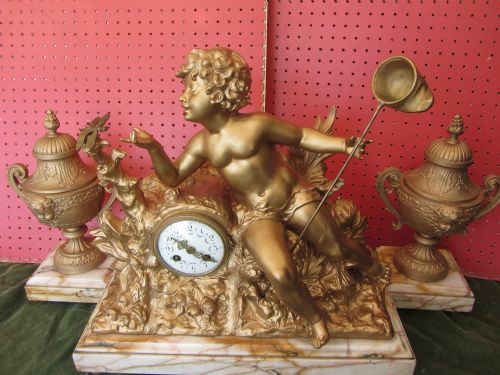
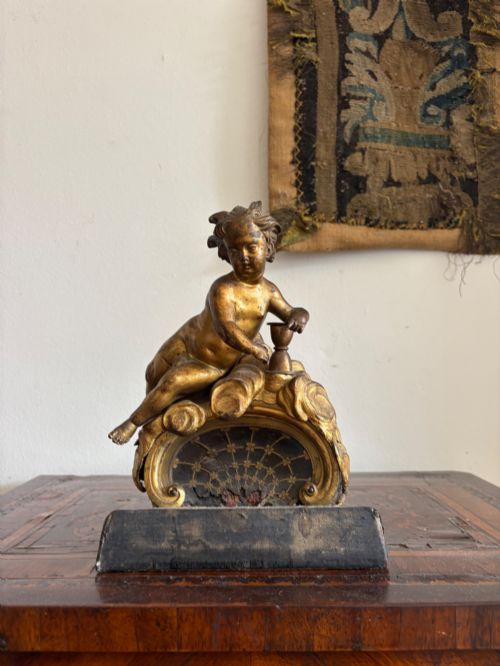
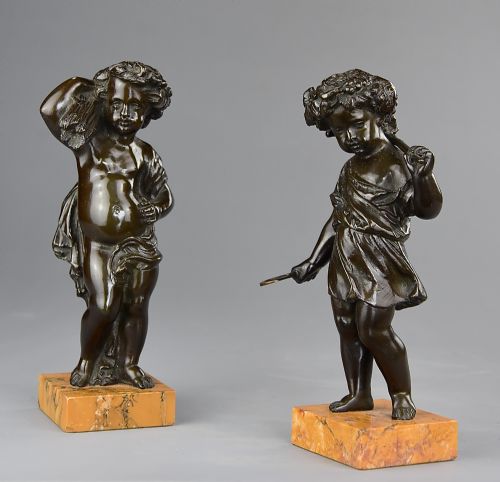
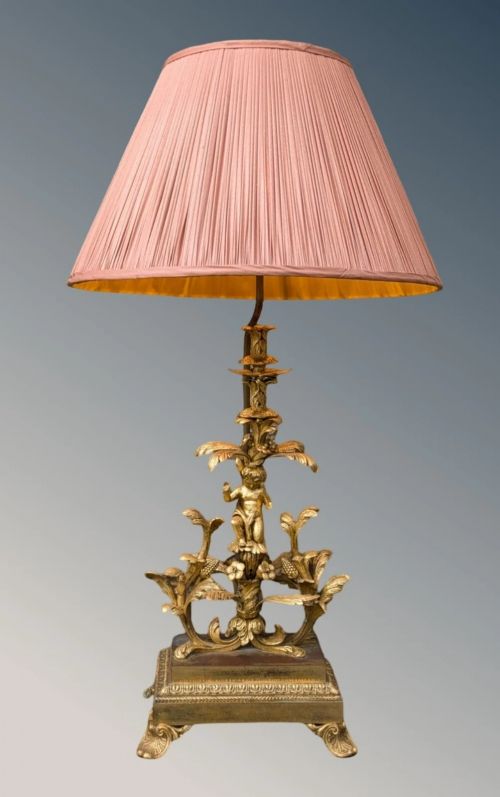
Rococo bronze putti encompass sculptural figures and decorative mounts depicting winged cherubs, infants, and allegorical youths. These pieces appear frequently in nineteenth-century French revival lighting, mantle clocks, and candelabra.
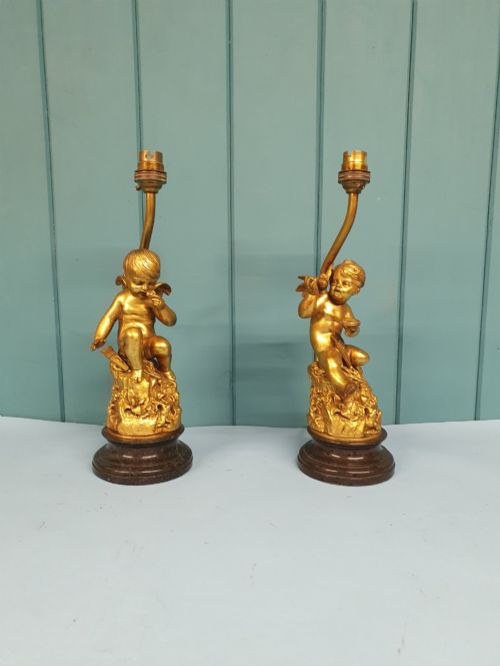
Buyers encounter these charming figures integrated into various functional objects, including table lamps, wall sconces, chenets, and ornate mantel clock garnitures. The forms draw heavily upon eighteenth-century French design traditions adapted by later makers.
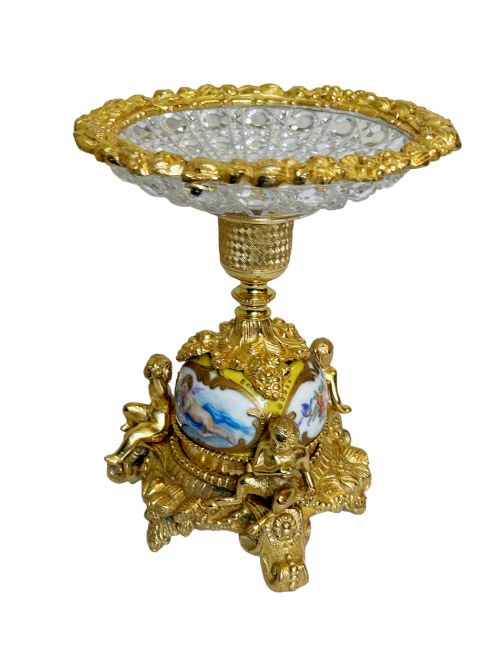
The objects frequently combine cast bronze and ormolu with supplementary materials like marble bases, porcelain flowers, and cut glass crystal. Many surviving examples reflect the Victorian enthusiasm for French classical ornamentation.
Judging quality and execution
Quality rests primarily in the crispness of the chasing and the depth of the casting in the figures. Superior examples display carefully modelled limbs and expressive faces rather than softened details.
The integration of materials dictates the overall success of the piece, from the stability of the marble plinths to the richness of the ormolu gilding. Harmonious proportions between the putti and the supporting clock, lamp, or candelabra separate standard production from exceptional work.
Rococo Bronze Putti Retail Price Guide 2026
Typical asking prices for rococo bronze putti among the pieces listed under this phrase on Sellingantiques today, from the lower quarter to the upper quarter. They describe what is for sale here now, not the wider market.
Listings feature items mounted on marble bases alongside converted table lamps and multi-branch candelabra.
Claude Michael Clodion·Leon Message·Jollet et Cie
The Rococo Bronze Putti Glossary
- Putto
- A plump, often winged infant depicted in classical art and decorative objects. These figures form the central decorative focus of rococo bronze putti.
- Ormolu
- Finely ground high-carat gold applied to a bronze base using a mercury amalgamation technique or modern electroplating. This finish imparts a warm, durable golden lustre.
- Chenet
- A decorative metal fire dog or andiron placed at the hearth. Pairs of these often incorporate putti and rococo scrollwork.
- Garniture
- A set of matching ornamental vases, clocks, or candelabra designed to be displayed together on a mantelpiece. These sets frequently feature matching bronze cherubs.
- Cartel clock
- A wall-mounted clock housed in an ornate, asymmetrical frame typically made of gilt bronze or ormolu.
Rococo Bronze Putti: Frequently Asked Questions
What periods do these pieces date from?
The pieces span the nineteenth and early twentieth centuries, drawing inspiration from earlier French design movements. Most examples date from the Victorian era and the later periods of revival.
Craftsmen during these later decades adopted classical motifs to produce decorative lighting, clocks, and mantel ornaments.
How were rococo bronze putti used originally?
These decorative objects served both functional and aesthetic purposes in formal interiors. They illuminated rooms as candelabra and wall sconces, or measured time upon mantelpieces.
Figural groups also adorned fireplace hearths as chenets or stood as standalone sculptural table ornaments.
Are these pieces usually antique French?
A large proportion of the surviving items reflect French manufacture, particularly styles associated with Louis XV and the Napoleon III period. French workshops excelled in producing elaborate gilt bronze ormolu mounts and clock garnitures.
Similar revival pieces also emerged from other European centres during the late nineteenth and early twentieth centuries.
How do I care for gilt bronze and ormolu?
Maintenance requires gentle dusting with a soft, dry cloth to prevent the accumulation of dirt within intricate crevices. Avoid harsh chemical cleaners or abrasive polishes that can strip the delicate gold surface.
Preserving the original finish ensures the longevity and visual appeal of the metalwork.